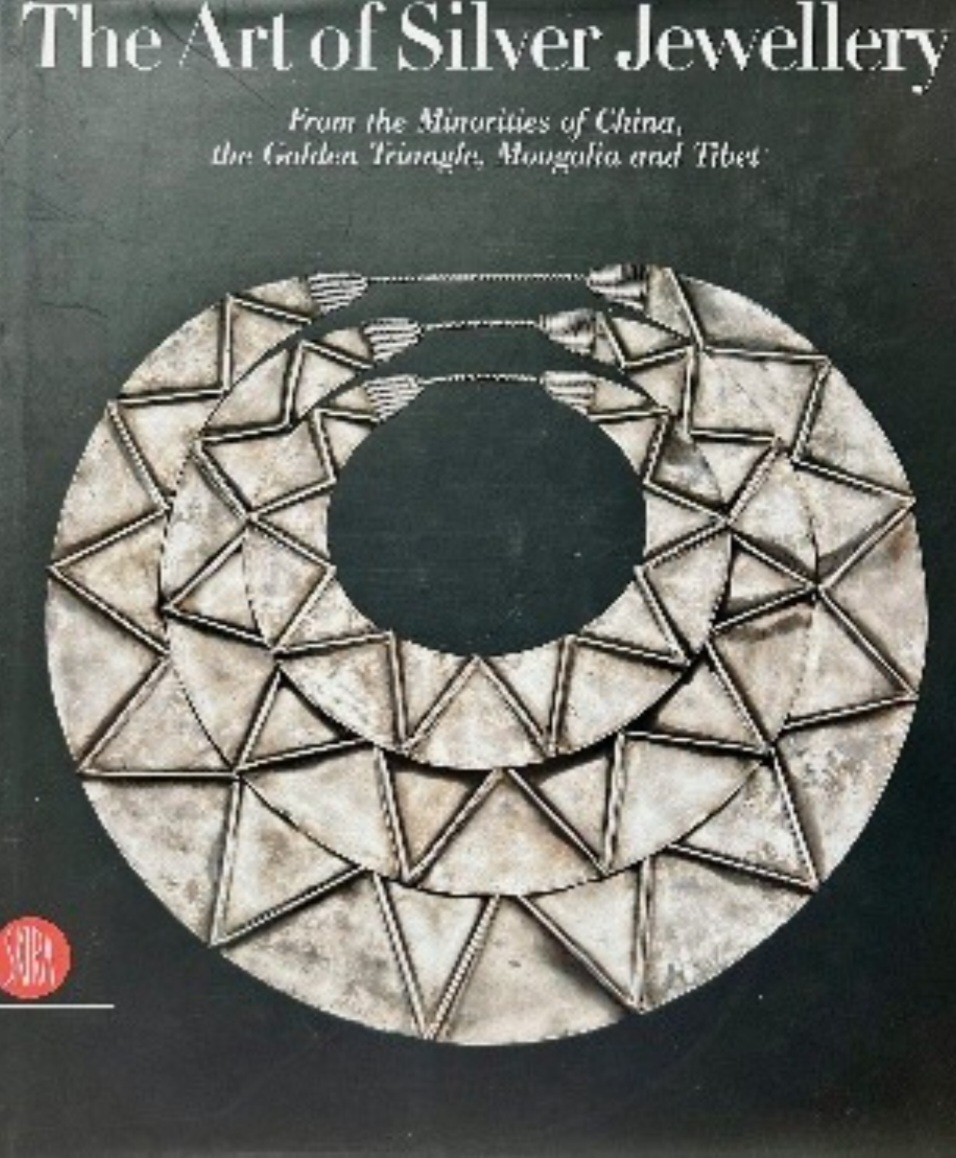
Author: Rene van de Star, 2006, 240 pgs. (In English)
Publisher: SKIRA Editore, Milan
This volume presents a distinguished exploration of the jewelry traditions of China’s ethnic minorities, situating them within the broader cultural landscape of Inner Asia. From the nomadic ornaments of Mongolia and Tibet to the resplendent silver and gold necklaces, bracelets, rings, and earrings fashioned by minority artisans across China, the collection celebrates 260 objects dating from the late nineteenth to the early twentieth century. Together, these works exemplify both aesthetic refinement and cultural originality, offering an unparalleled reference for the study of minority jewelry in China. The book is enriched by four authoritative essays contributed by leading scholars, who illuminate the historical, social, economic, and political forces that shaped the production and circulation of these adornments. Their analyses render the field accessible to the general reader while providing indispensable insights for designers, jewelers, historians, collectors, dealers, and auctioneers. Beyond jewelry, the volume incorporates a curated selection of textiles and field ornaments, thereby contextualizing the adornments within the broader material culture of the communities that produced them. This integrated approach underscores the dynamic interplay between artistry and cultural identity, affirming the enduring significance of these objects as both material heritage and expressions of collective memory.
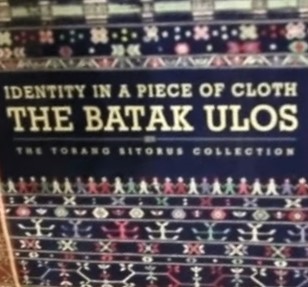
Author: Torang Sitorus, Nestor Rico Tambunan, Christ Sempati Barasha, 2022. 376pg. (English)
Publisher: BAB Publishing, Jakarta
This remarkable book is a collaborative effort that expertly details the Batak people and their iconic shoulder cloth known as ulos. It delves into the rich, centuries-old art and tradition of ulos, emphasizing its vital role in the lifecycle. The book culminates with a stunning collection, featuring previously unseen pieces, highlighting the diverse styles of ulos from different regions: Ulos of Toba, the Hiou of Simalungun, the Oles of Pakpak, the Abit and Sadum of Angkola and Mandailing.
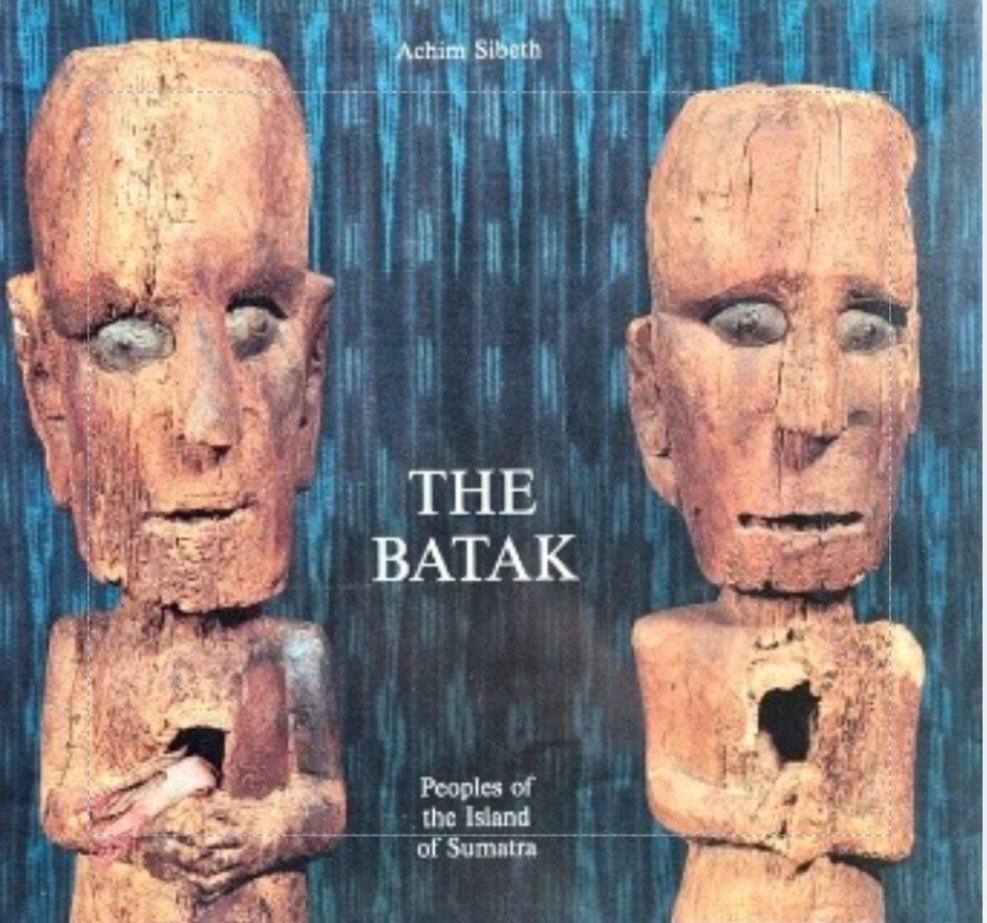
Author: Achim Sibeth, 1991. 240pgs. (English) Hardcover
Publisher: Thames and Hudson, New York, USA
The volume authored by Achim Sibeth constitutes a highly regarded and comprehensive anthropological survey of the Batak peoples of North Sumatra. It endures as an indispensable visual and historical text for scholars engaged in the study of this ancient and culturally rich Indonesian society. Sibeth’s work systematically explores the diverse Batak subgroups—including the Toba, Karo, Simalungun, Mandailing, and Pakpak—while encompassing the full spectrum of Batak heritage with particular emphasis on cultural traditions. The text provides detailed examinations of adat (customary law), the social organization of kinship through marga (lineage), and the dynamics of village life. Sibeth further interrogates the persistence of animist cosmologies, shamanic practices, and mythological frameworks, alongside the intricate artistry of Batak architecture and sculpture. His analysis is enriched by references to early travel writings and by tracing the profound transformations wrought by colonial incursions and missionary activity. One of the book’s most significant assets lies in its extraordinary visual corpus: more than 320 illustrations and field photographs. These images furnish rare and vivid insights into historical Batak lifeways, ritual artifacts, and the textile traditions embodied in ulos weaving. The visual documentation not only complements the ethnographic narrative but also serves as a vital archive of material culture. While the work’s breadth and visual richness are undeniable, readers seeking a deeply localized and methodologically rigorous academic monograph may find the organizational structure somewhat fragmented. Nevertheless, Sibeth’s contribution remains a seminal reference, bridging ethnographic scholarship with visual historiography in the study of Batak cultural identity.
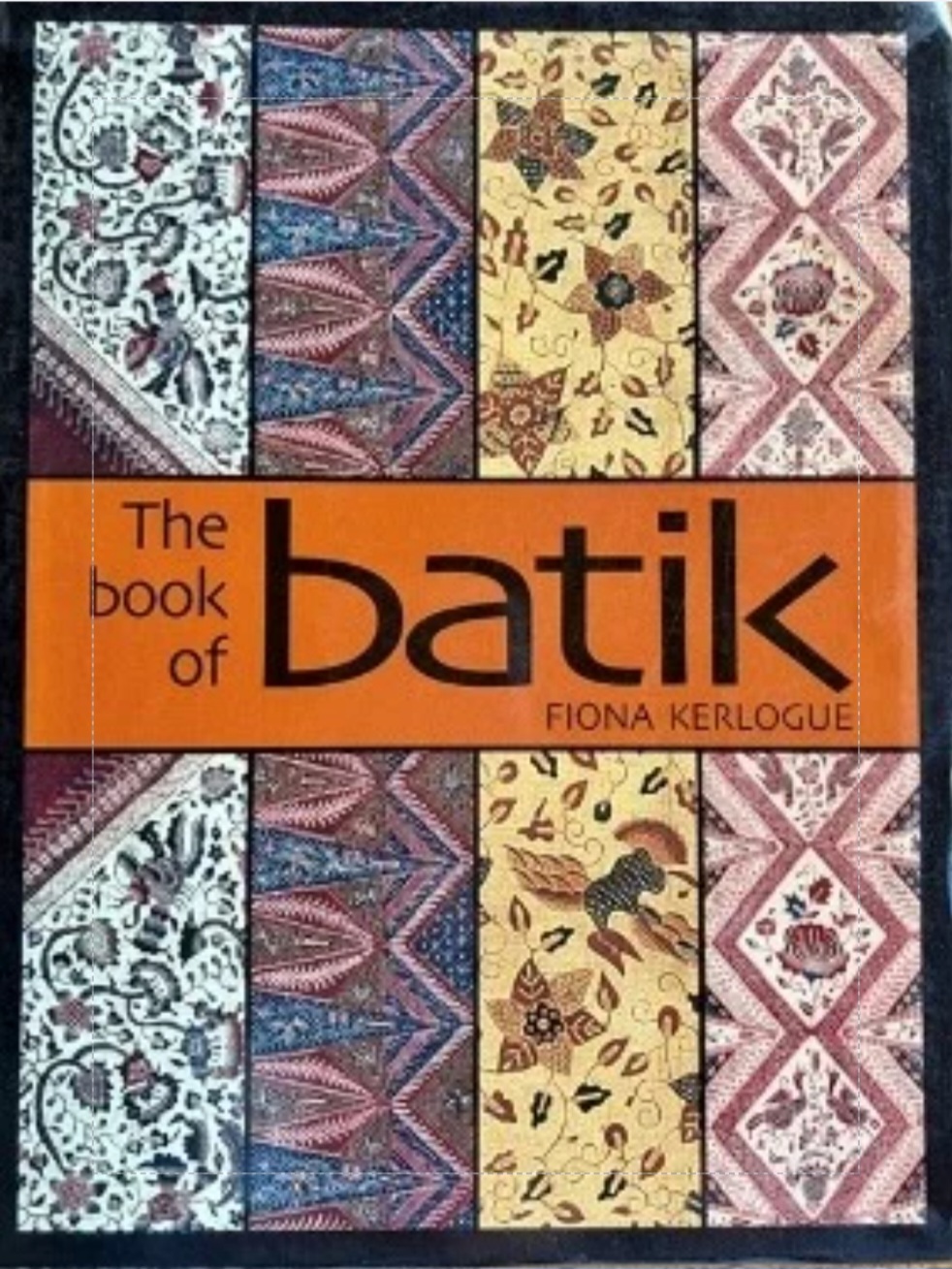
Author: Fiona Kerlogue, 2004. 191pgs. (English), Softcover
Publisher: Archipelago Press, Singapore
This volume offers a comprehensive exploration of batik, tracing its historical origins, examining diverse regional traditions, and analyzing the symbolic motifs and meanings embedded within its designs. It further investigates the impact of modern influences on batik production and aesthetics, considers its role as costume in cultural and ceremonial contexts, and evaluates its evolving position within the broader sphere of contemporary art.
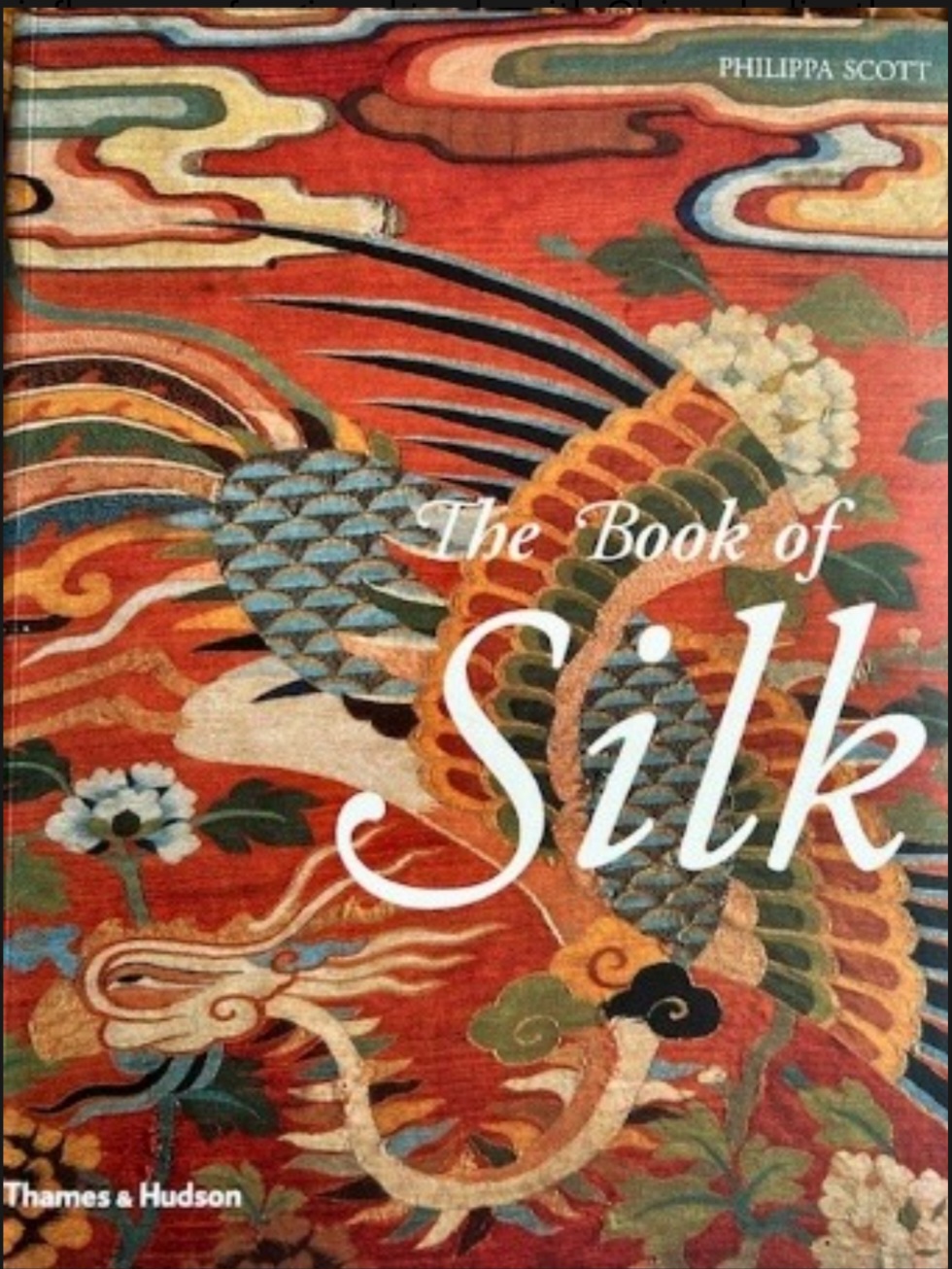
Author: Philippa Scott, 1995. 256pgs. (English). Softcover.
Publisher: Thames and Hudson, London
“The Book of Silk” follows a story of this remarkable material through 5000 years from all parts of the world. From ancient China where the secret of reeling worm cocoons was first discovered, the narrative leads by the legendary Silk Routes to Byzantium and the Islamic world, to Ottoman Turkey and India – and on to the Renaissance, Baroque and rococo silks of western Christianity. A beautiful collection of illustrations reveals omnipresence in couture and decoration, carpets, embroidery and even painting. Complete with a reference section that includes terms and technical processes, collecting and care, galleries and museums, and a bibliography.
Page 90 of 108