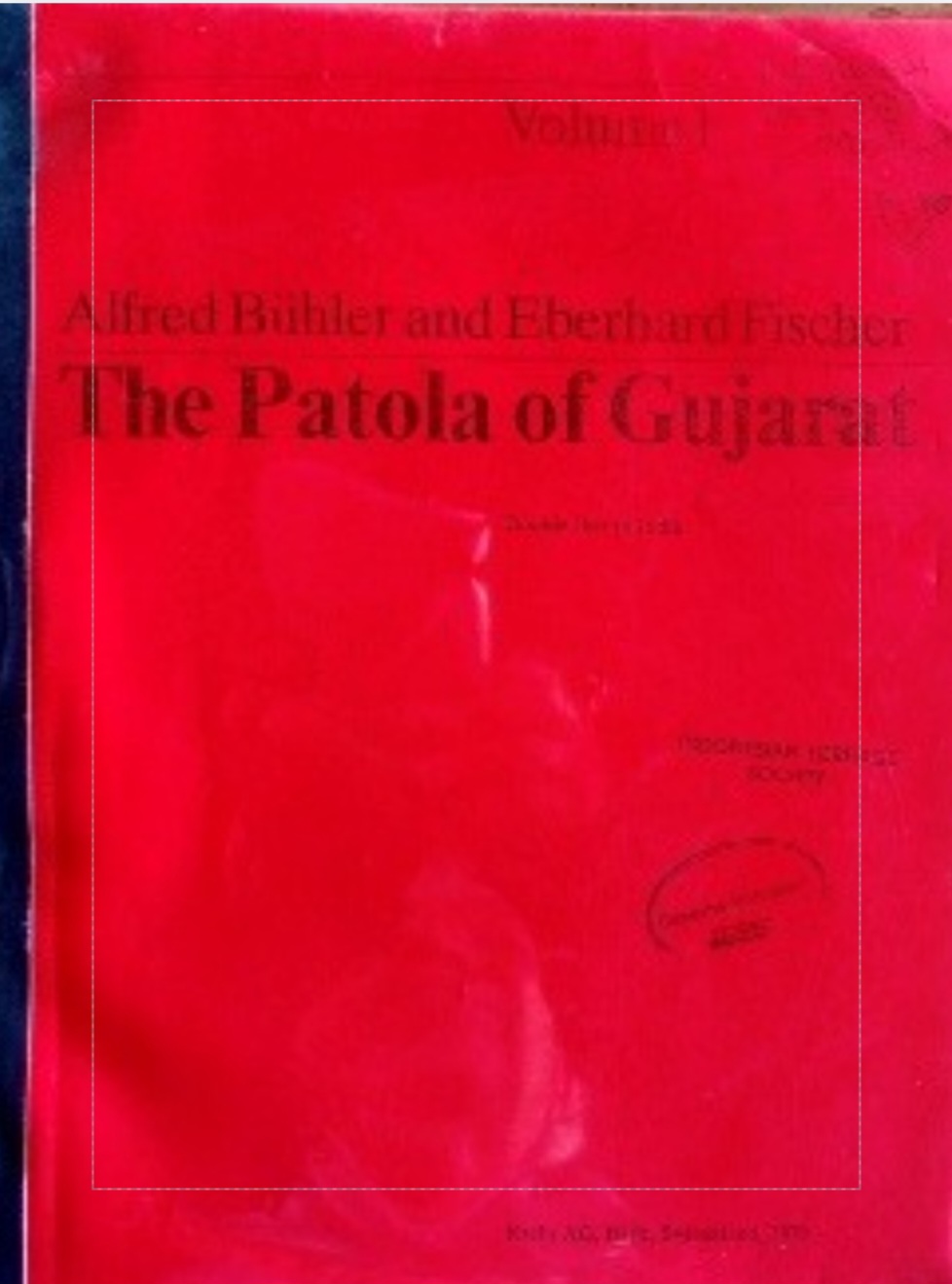
Author: Alfred Buhler & Eberhard Fischer, 1979. 341pgs. (English).
Publisher: Crebs AG, Basle, Switzerland
This first volume stands as a definitive scholarly contribution to the study of India’s legendary double ikat silk textiles, specifically the illustrious Patola tradition. The authors present an exhaustive and meticulously researched account that encompasses the historical trajectory, technical processes, and cultural significance of Patola weaving, rendering the work an indispensable resource for textile historians and ethnographers alike. As the first comprehensive monograph on the subject, the text delves into the extraordinary mathematical precision required for resist-dyeing both warp and weft threads prior to the loom’s preparation. This technical mastery underscores the intellectual and artisanal sophistication embedded within the Patola tradition, situating it as both a material and symbolic achievement of South Asian textile culture. The book further documents the immense historical importance of Patola, tracing its royal patronage under the Solanki dynasty and its subsequent circulation as a prized commodity in the Indian Ocean trade network. Particularly noteworthy is its role as a major export to Indonesia, where Patola textiles were not merely luxury goods but also markers of prestige, ritual value, and intercultural exchange. In this regard, the authors illuminate the broader transregional significance of Patola, positioning it within the interconnected histories of South and Southeast Asia. It is regrettable, however, that this library does not possess the companion second volume, which contains the photographic plates and motif diagrams essential for a full appreciation of the visual repertoire and iconographic depth of Patola design. The absence of this visual corpus somewhat diminishes the accessibility of the study, though the textual analysis in the first volume remains a monumental scholarly achievement.
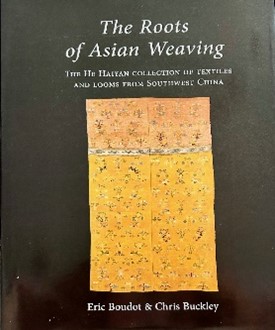
Author: Eric Boudot & Chris Buckley, 2015. 474pg. (English)
Publisher: Oxbow Books, Oxford, United Kingdom
This ground breaking book documents the weaving traditions and textiles of one of Asia’s most ethically diverse areas, placing them in a regional context. Based on more than a decade of first-hand study in the field, the authors record the traditions of the Miao, Yao, Buyi and other ethnic weavers from Guizhao and Hainan Island. They describe the looms and techniques of these groups including diagrams, descriptions and photographs of the weaving process and woven structures. Each tradition is illustrated with outstanding examples of textiles, drawn from the He Haiyan collection in Beijing, including many 19th century examples.
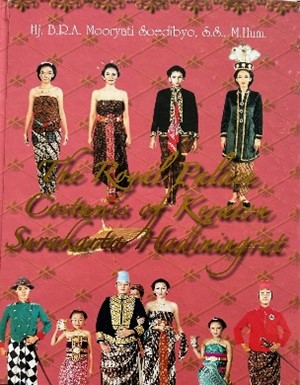
Author: Hj. B.R.A. Mooryati Soedibyo, 2006. 124pg. (English)
Publisher: Grasindo, Indonesia
The book "Costumes of the Surakarta Hadiningrat Court" provides a definitive overview of the diverse costumes worn by the royal family, showcasing both their daily attire and the special garments used for palace ceremonies. It clearly delineates the dress codes for the prime minister, abdi dalem, palace dancers, soldiers, regents, and other court officials. This essential work offers readers a powerful glimpse into the opulent lifestyle that characterized Javanese sultans in the past.
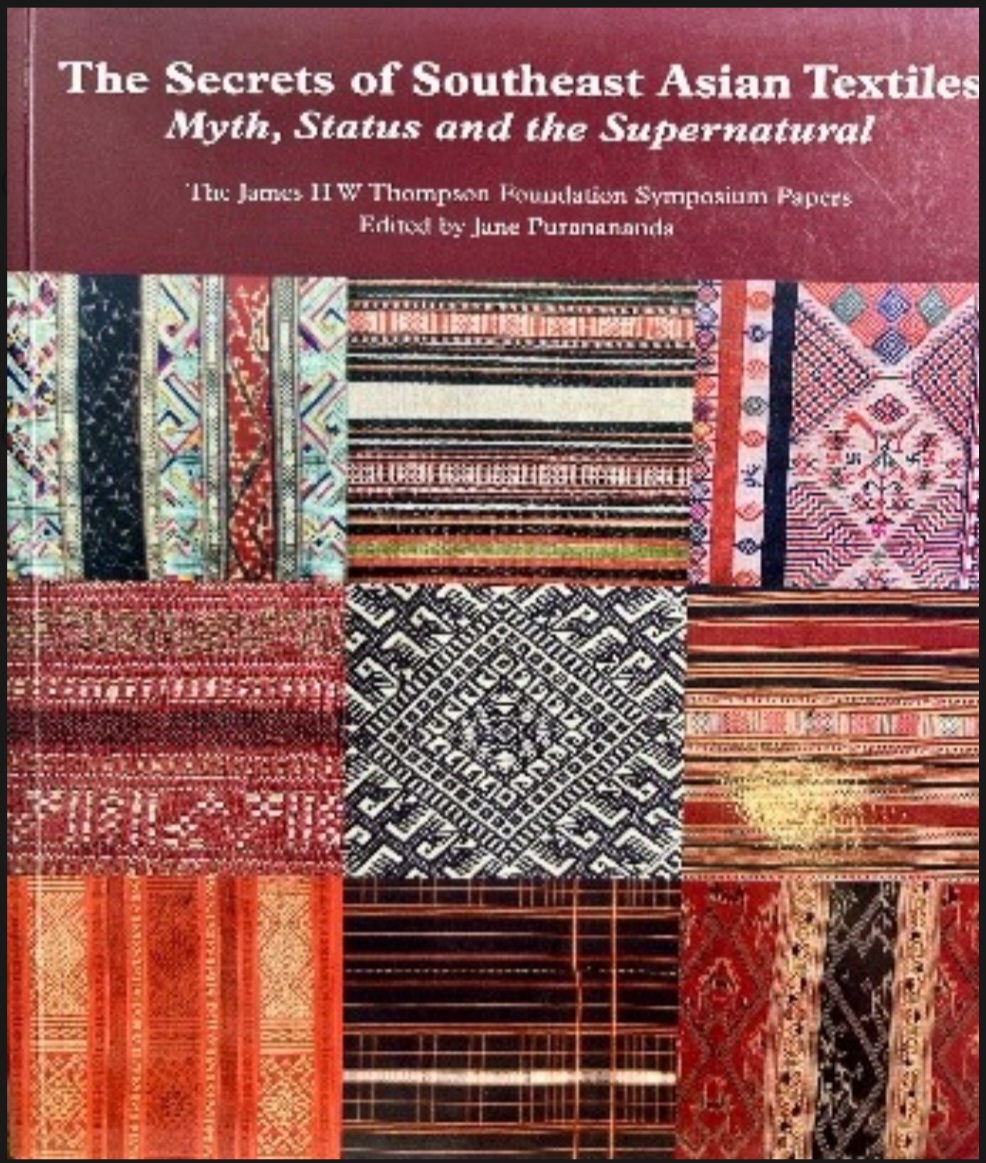
Author: Jane Puranananda, editor, 2007. 215pgs. (English). Softcover
Publisher: River Books, Thailand
This volume presents the Proceedings of the 2007 J.W. Thompson Symposium, with a thematic focus on the cultural and symbolic dimensions of Southeast Asian textiles. Bhutan: -Form and Function in Bhutanese Textiles Cambodia: -Spirit Ships and Vessels of the Soul Indonesia: -Indian Figurative Textiles in Indonesia; -Barkcloth Skirts from Southwestern Borneo; -Talismanic Textiles in Islamic Southeast Asia Myanmar: -Shan Expressios of Power and Protection; -Structure and Status in Chin Textiles; -Naga Textiles; Mon Ancestral Textiles Laos: -Spirit Skirts of the Lao-Tai People; -Textiles in Contemporary Phuthai Society Thailand: -Monk’s Robes in Rural Northeastern Thailand; -The Role of Women in a Buddhist Society Vietnam: -Religious and Status-Marking Functions of Textiles among the Tai Peoples of Vietnam Collectively, these papers illuminate the intricate interplay between material culture, ritual practice, and social identity across diverse Southeast Asian communities. The symposium underscores textiles not merely as utilitarian artifacts, but as profound conveyors of cosmological meaning, social hierarchy, and cultural continuity.
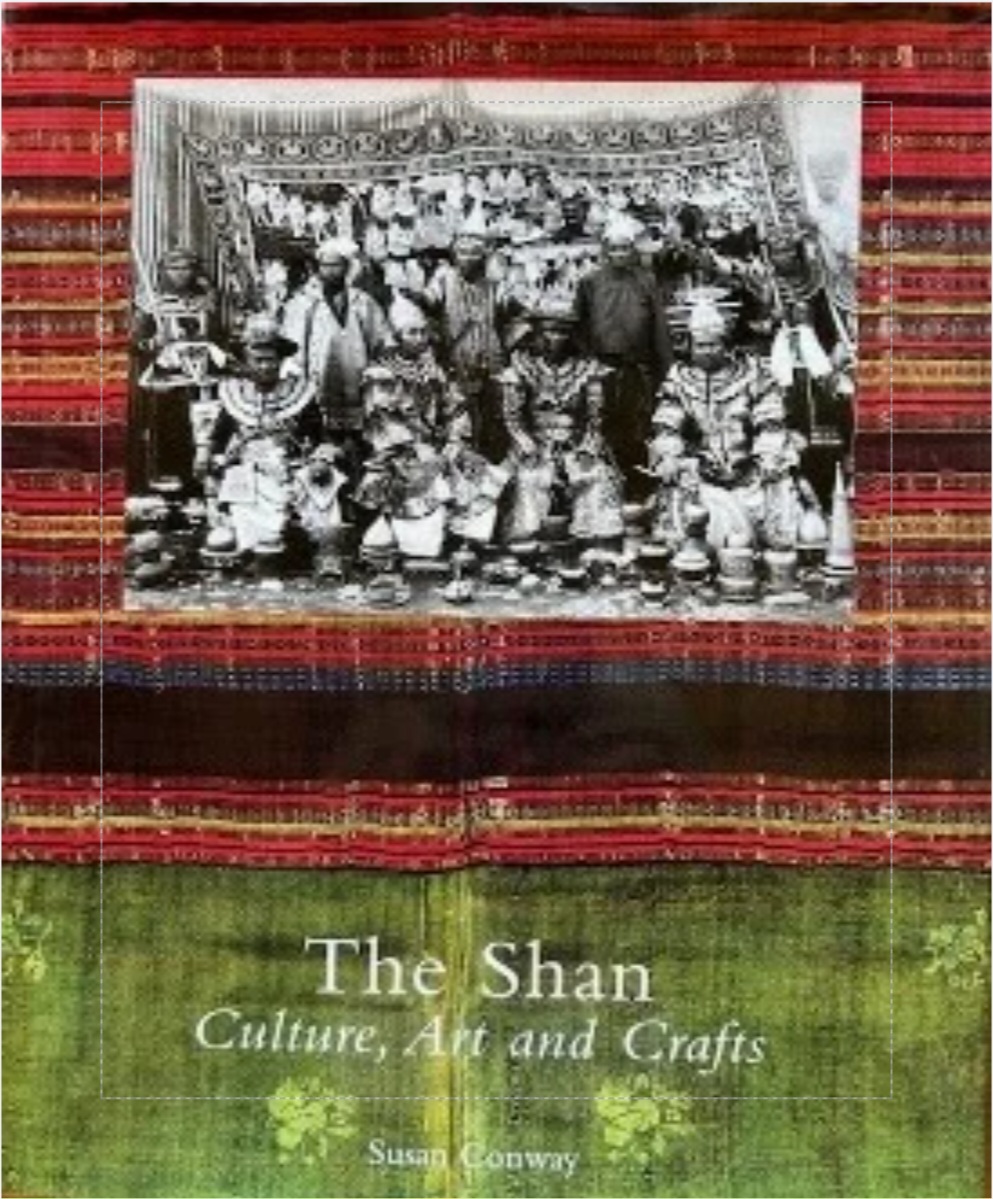
Author: Susan Conway, 2006, 211pg. (English). Hardcover
Publisher: River Books, Bangkok, Thailand
The central focus of this volume is the Shan States, a region of Burma distinguished by its picturesque hills and valleys, situated in the heart of present-day Myanmar. The author provides a meticulous examination of the traditional attire of both Shan men and women, offering insights into the cultural symbolism embedded within their garments. In addition, the narrative extends to the political and social structures of the Shan, with particular attention to the role of princes and the architectural grandeur of their palaces. The text further explores the rich tapestry of Shan artistic expression, encompassing craftsmanship, aesthetic traditions, and the dynamics of regional trade that shaped the socio-economic fabric of the states. The focus of this book is on the Shan States, part of Burma with beautiful hills and valleys in the center of present-day Myanmar. The author reveals the male and female dress of the Shan and also talks about Princes, palaces, and Shan arts, crafts and trade are discussed
Page 96 of 108