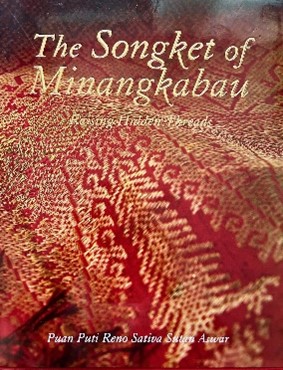
Author: Puan Puti Reno Sativa Sutan Aswar, 2017. 368pg. (English)
Publisher: Yayasan Warna-Warni Foundation, Jakarta
The Songket is not just a traditional fabric; it stands as a vital symbol of the Minangkabau people's cultural dignity. Its intricate motifs powerfully convey ancestral hopes, and the use of gold and silk threads firmly embodies profound values. To ensure its sustainability, Songket must be accessible and embraced by everyone. With over 21 years of dedicated research and innovation, the author is determined to revitalize this craft. By implementing new techniques and diversifying raw materials, she will make Songket more affordable, ensuring it becomes a practical choice for everyday wear.
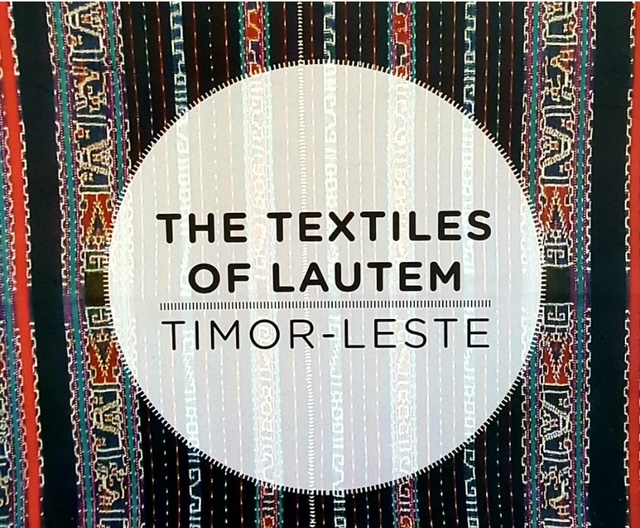
Author: Secretary of State for Arts and Culture in Timor Leste, 2015.
Publisher: Timor Aid 2015. Pg. (English Portuguese, and Tetun)
This book is published in a series on the traditional textile production of Lautem, one of the 13 municipalities of Timor Leste.
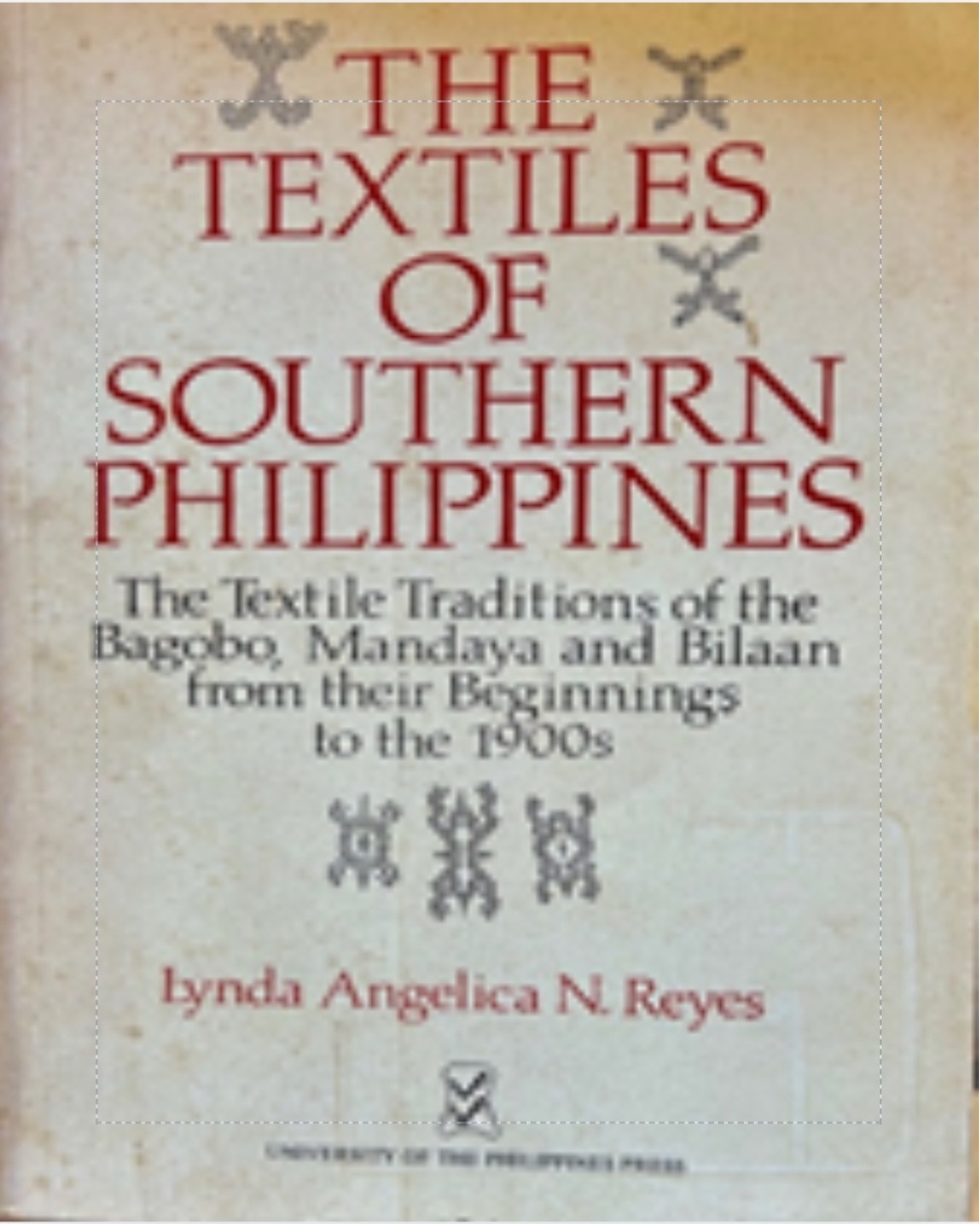
Author: Lynda Angelica N. Reyes, 1992, 166 pg. (English). Softcover
Publisher: University of the Philippines Press, Diliman, Quezon City
This book discusses the indigenous fabrics and clothing of the Bagobo, Mandaya, and Bilaqan animist groups in Mindanao, Southern Philippines, set against the background of their cultural life. The research focuses on the specimens of the three groups which form a part of the collection of traditional textiles in the Field Museum of Natural History of Chicago. Describing the different methods and techniques employed in the manufacture of these traditional textiles. The study also relates their functions in the day-to-day lives of the Bagobo, Mandaya, and Bilaan. Most of their textiles have intricate designs, and embroideries incorporating geometrical patterns and representational figures of human beings, plants and animals with the images of man, and the crocodile as the dominant motif. This work fills the need for art historians, anthropologists, sociologists and other social scientists for an authoritative study of traditional textiles as art form.
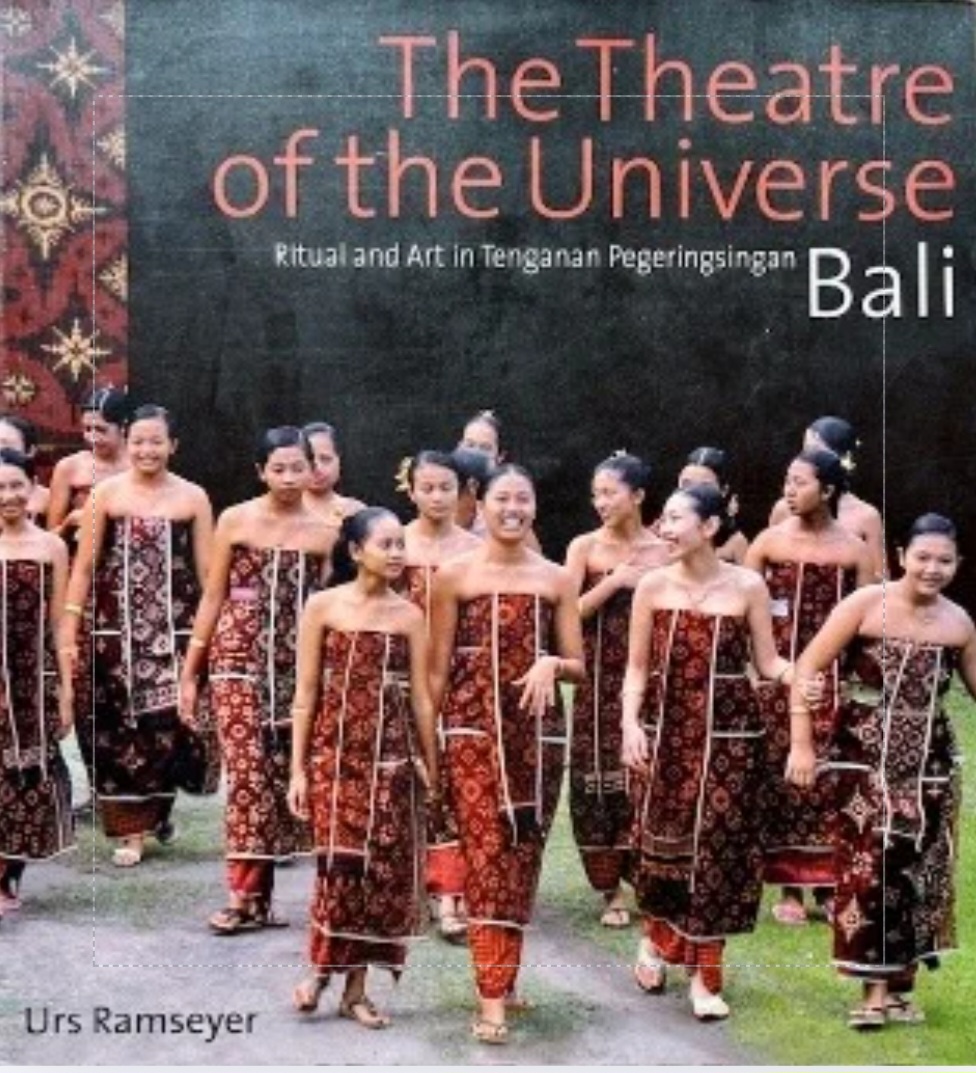
Author: Urs Ramseyer, 2009, 208pg. (English). Softcover.
Publisher: Museum der Kulturen, Basel, Switss
Tenganan Pegringsingan , the ‘Theatre of the Universe’ in East Bali, has attained world wide fame through its unique textiless, the sacred double ikat cloth of Tenganan is a symbol and a trademark for a divinely created world, and a ritual community which understands its settlement, created following a divine design, as a representation of the cosmos reduced in size. Within the framework of a comprehensive, richy illustrated monograph, and against a backdrop of global change, the author concerns himself with the cosmic and sacred theatre of Tenganan, with its history, its social, economic and cutural conditions and with its ritual performances.
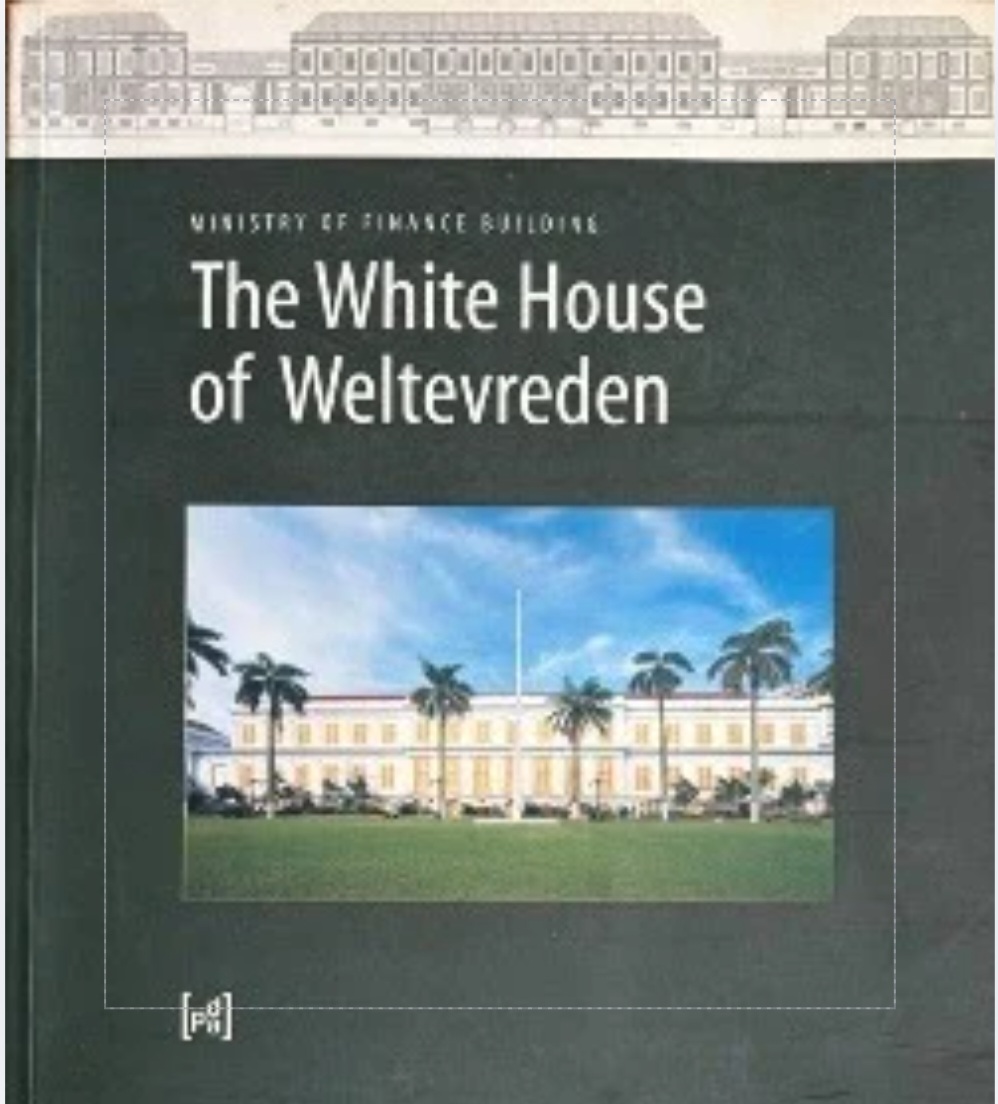
Author: Devina S. Radhitya, Febriyanti Suryaningsih, Mireille van Reenen, Nadia Purwestri, 2005. 64pgs. (English), Softcover.
Publisher: Pusat Dokumentasi Arsitektur (PDA)
The volume meticulously reconstructs the historical trajectory of the A.A. Maramis Building in Central Jakarta, once colloquially referred to as the White House. It offers a comprehensive examination of the edifice, originally erected in 1809 as the envisioned palatial seat of the Governor General under Herman Willem Daendels. Serving as both historical narrative and architectural documentation, the book traces the building’s evolution across centuries. It presents an incisive analysis of its neo-classical design, attributed to Lieutenant Colonel J.C. Schultze in 1828, enriched by rare archival photographs and precise architectural drawings. Beyond its aesthetic and structural significance, the building embodies profound cultural resonance, functioning today as the headquarters of the Indonesian Ministry of Finance. By bridging colonial architectural heritage with the modern apparatus of state administration, the work establishes the building as a living monument. It thus emerges as an indispensable resource for historians, architects, and heritage scholars, illuminating the nexus between Indonesia’s colonial past and its contemporary governance.
Page 97 of 108