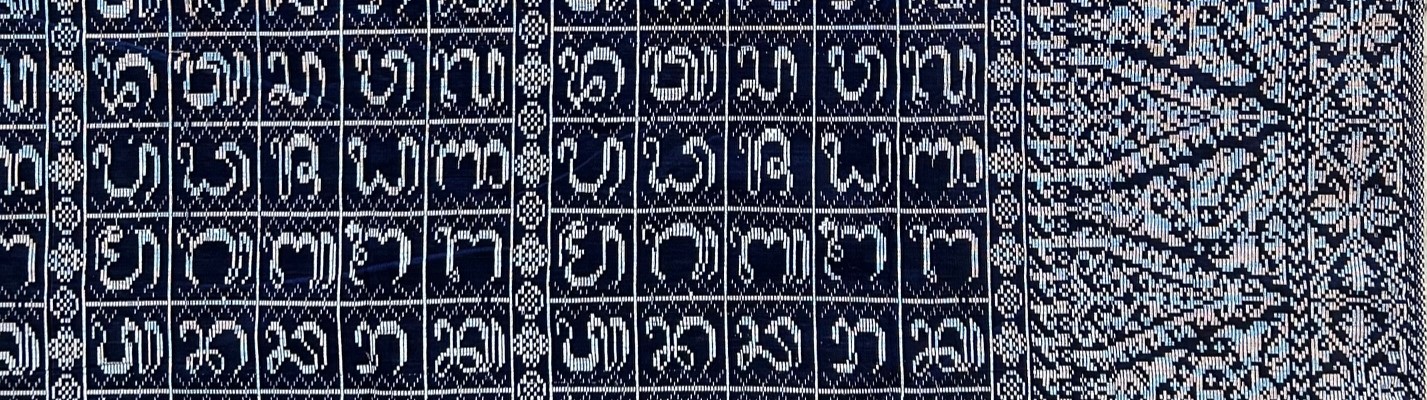
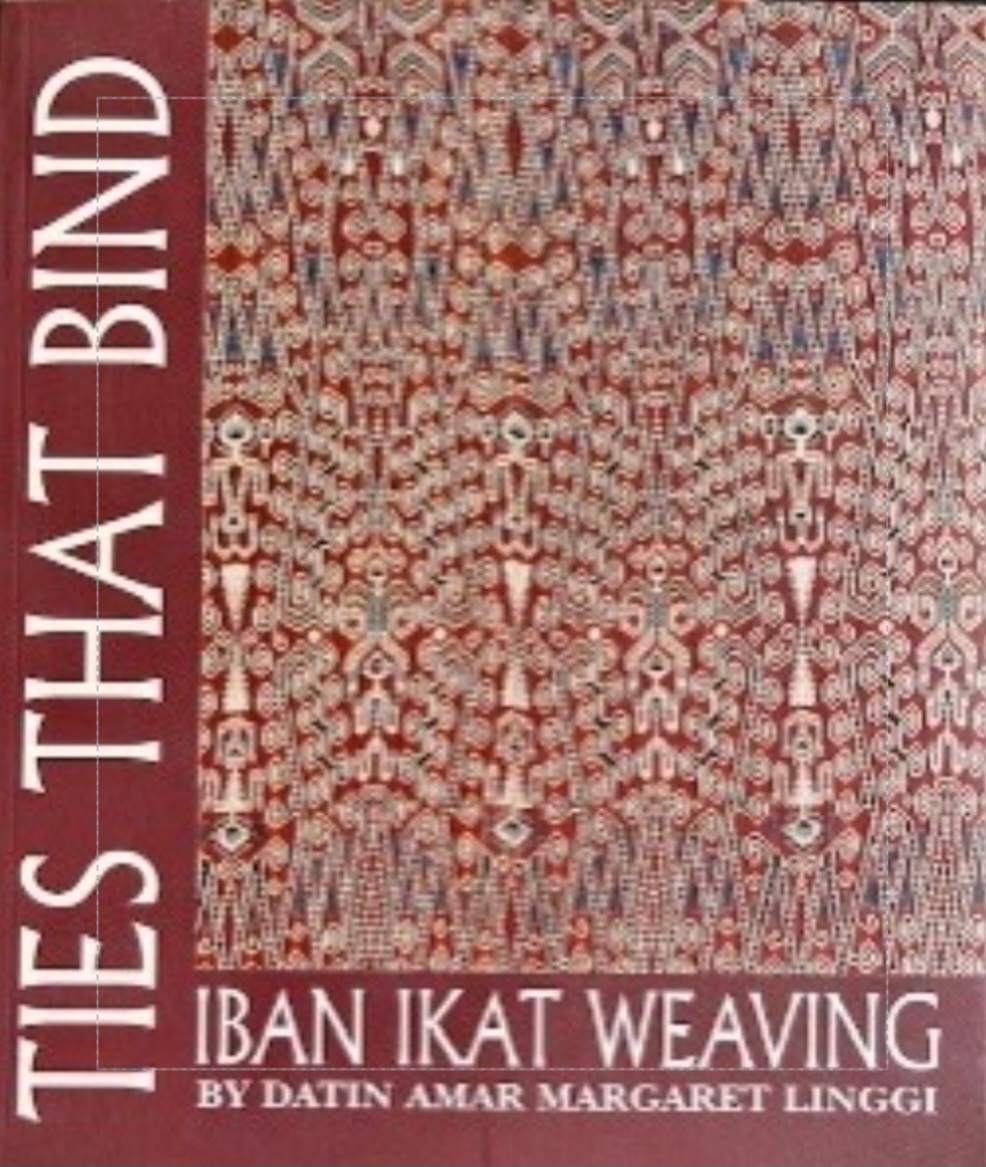
Author: Datin Amar Margaret Linggi, 2001. 170 pg. (English), softcover
Publisher: Tun Jugah Foundation, Kuching Serawak
The book provides a overview and comprehensive description of Iban Ikat weaving. It also traces the intricate procedures and rituals of the weavers who produce these famous cloths. The study also presents an impressive collection of ikat, with a sophisticated knowledge of plants and their chemical properties, preparation of cotton threads to absorb natural dyes, and the use of the backstrap loom, and 70 color photographs of cloths that were displayed at the Museum of Art of the College of William and Mary, Virginia, USA in 1998.
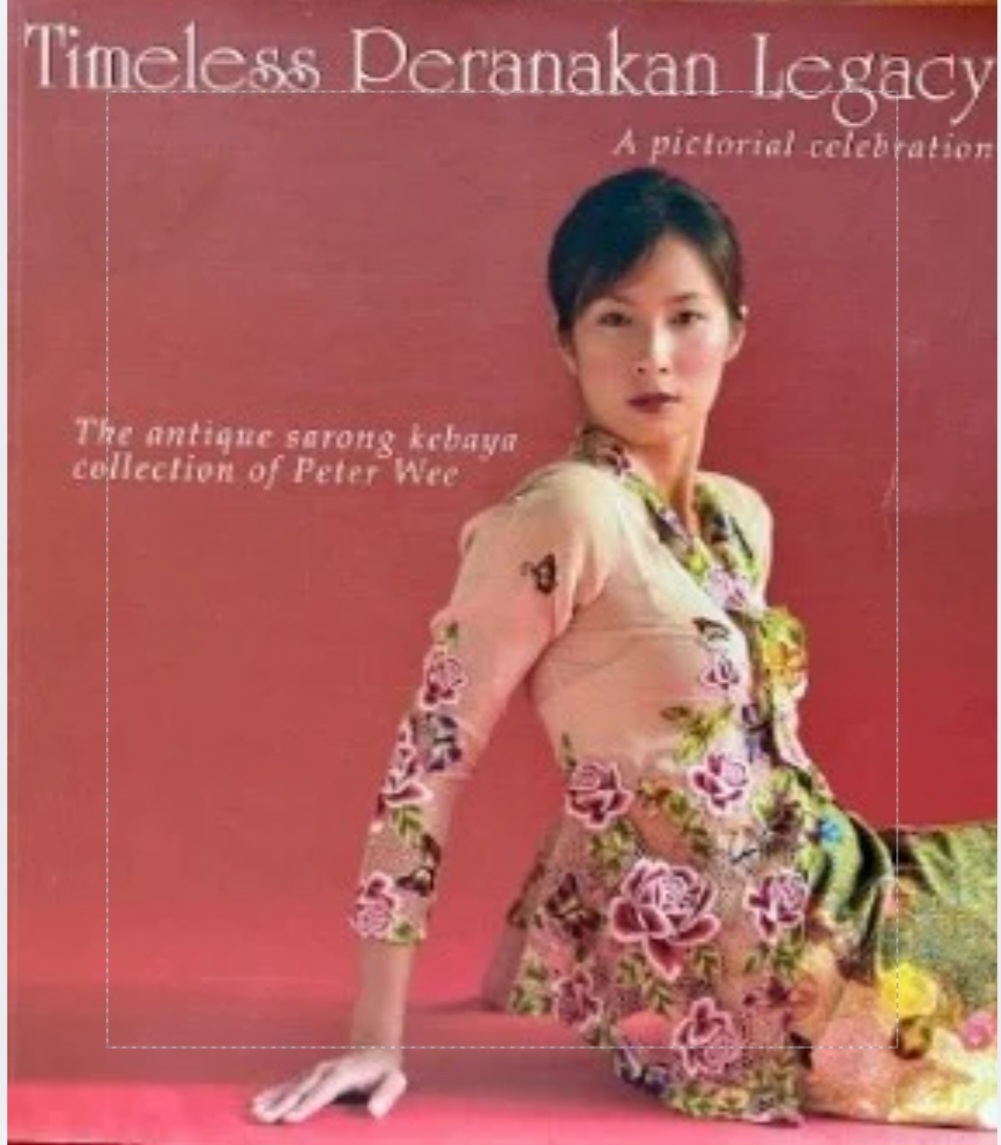
Author: Noelle Tan, Veronica, & Zuzarte, 2004, 64pg. (English). Softcover
Publisher: Apex Club of Singapore
Baba Peter Wee, a distinguished fourth-generation Baba, stands as a recognized authority on the Peranakan way of life, its cultural traditions, and historical legacy. His profound passion for heritage preservation inspired him to establish the Katong Antique House in 1970. Over the course of twenty-five years, he meticulously curated and restored an extraordinary assemblage of Peranakan artifacts, transforming the space into a veritable repository of cultural memory. From floor to rafter, the gallery is adorned with exquisite emblems of Peranakan identity — porcelain, intricately carved furniture, heirloom jewelry, rare photographs, and the iconic sarong kebaya, among many other treasures. Katong Antique House holds the distinction of being Singapore’s first private Peranakan gallery, serving not only as a site of aesthetic appreciation but also as a locus of cultural education and historical continuity. This book constitutes a pictorial celebration of Baba Peter Wee’s unparalleled collection, showcasing more than forty antique sarong kebayas, shoes, and accessories. It is both a tribute to his lifelong dedication and a testament to the enduring vibrancy of Peranakan heritage.
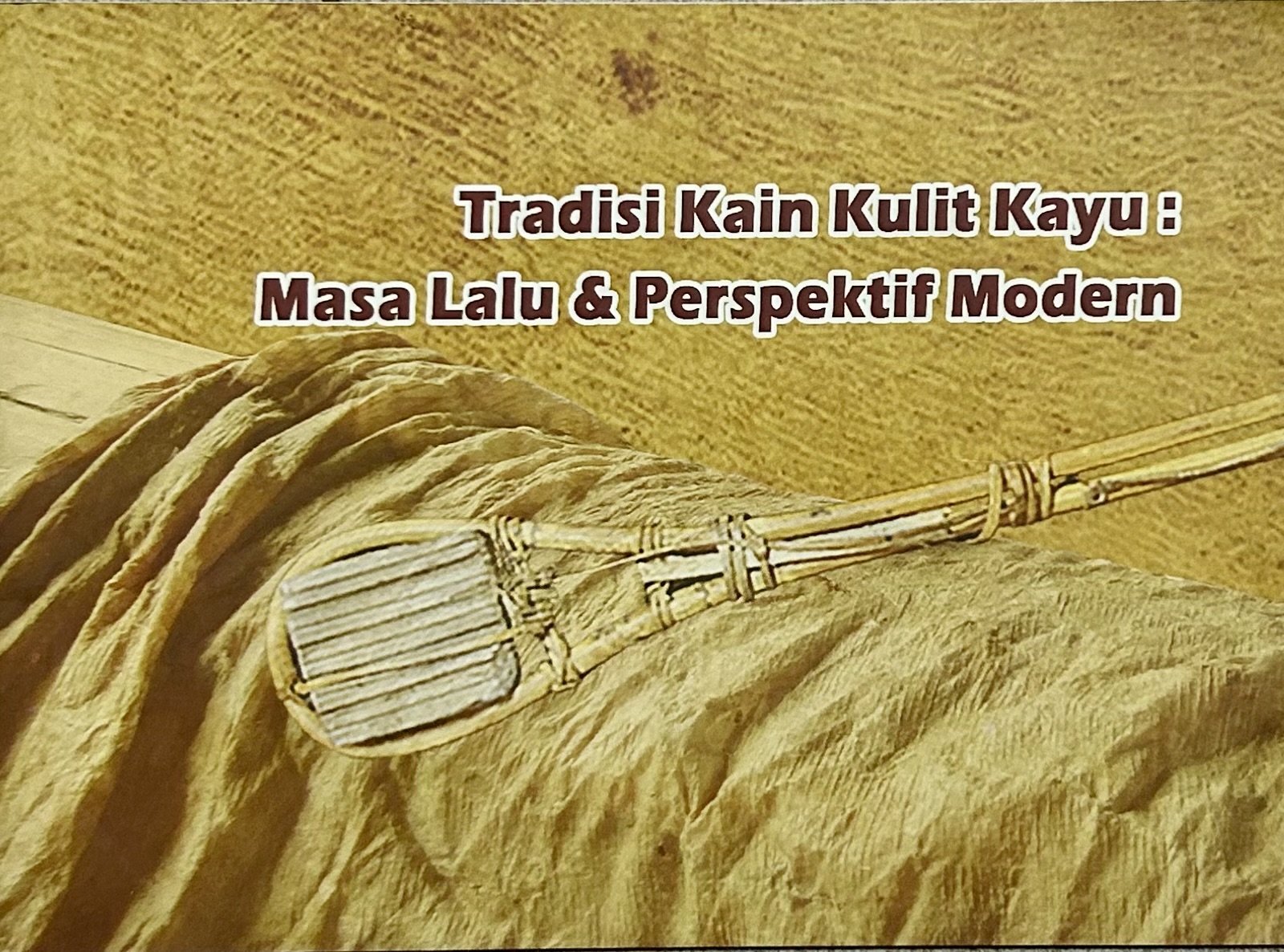
Author: Judi Achjadi et al, 2012. 24pg. (Indonesian)
Publisher: Musium Tekstil Jakarta, Musium Nasional, Sahabat Nusantara & Purbasari, Jakarta
The catalog comprehensively showcases the barkcloth traditions of Enggano, Nias, Central Java, Bali, Halmahera, Papua, Kalimantan, Central Sulawesi, North Maluku, and Papua. It features striking images sourced from the State Provincial Museums in Indonesia, highlighting the rich cultural heritage of these regions.
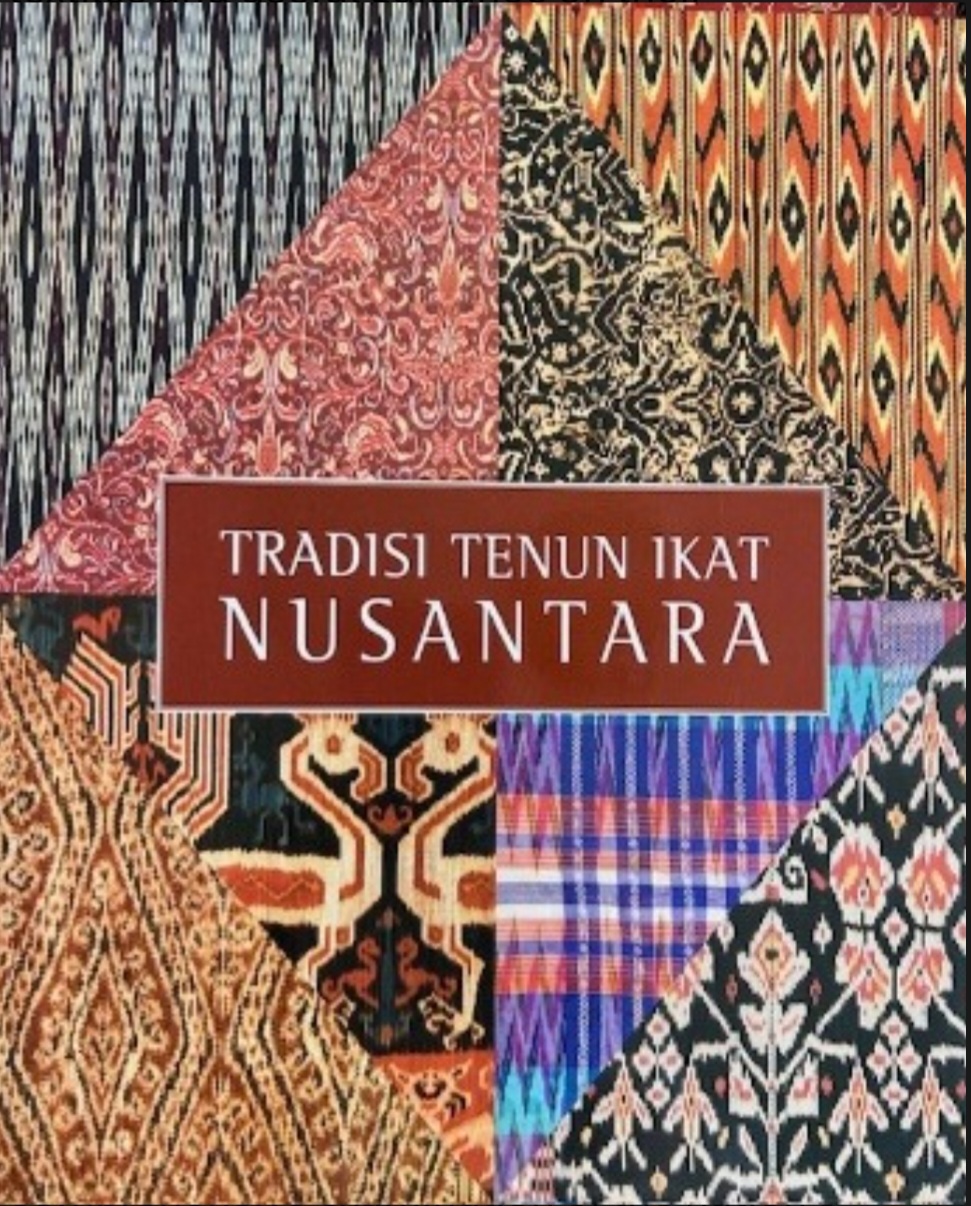
Author: Benny Gratha & Judi Achjadi, 2016. 150pg. (Indonesian). Hardcover
Publisher: BAB Publishing, Jakarta
Supported by the Ministry of Tourism of the Republic of Indonesia, this volume offers a comprehensive examination of the nation’s diverse and intricate ikat weaving traditions. The authors delineate the distinctions between ikat lungsi (warp ikat) and ikat pakan (weft ikat), supplementing their analysis with textile photographs drawn from principal production regions. The subsequent chapter highlights the ornamental motifs characteristic of ikat weaving, followed by a discussion of its functional roles within everyday life across various communities of the Indonesian archipelago.
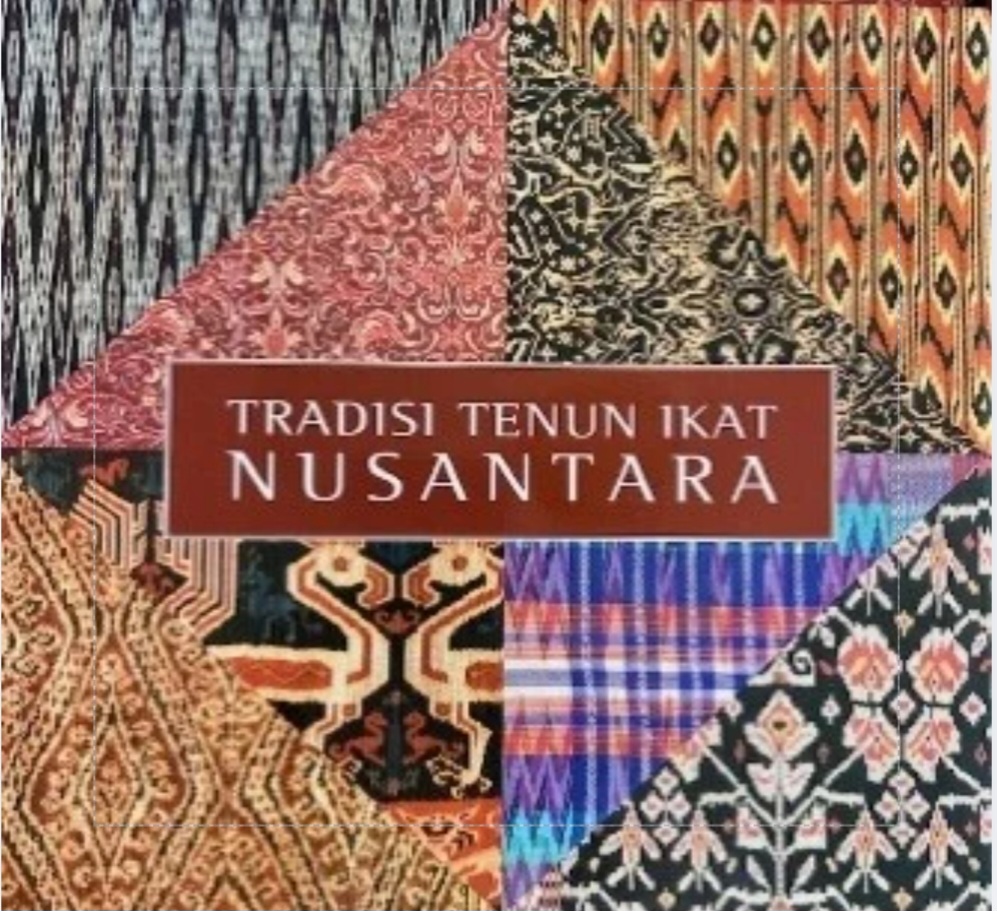
Author: Benny Gratha & Judi Achjadi, 2016. 152pgs. (Indonesian). Hardcover.
Publisher: BAB Pubishing, Jakarta
Warp ikat weaving traditions are widely disseminated across the Indonesian archipelago. They are particularly prominent in Tapanuli, the homeland of the Batak people, and extend to the islands of Flores, Sumba, Roti, Sawu, Ndao, and Timor within the province of East Nusa Tenggara. Production also flourishes in the interior regions of Borneo, notably in Rongkong, Galumpang, and Donggala, as well as in Sulawesi and the southern Moluccas, especially on the islands of Tanimbar and Kisar. By contrast, weft ikat is primarily associated with the Palembang region, Bangka Island off Sumatra’s eastern coast, and the weaving centers of Gresik and Lamongan in East Java. Furthermore, the rare and highly complex double ikat technique is preserved in the village of Tenganan in East Bali. Across these diverse locales, warp ikat textiles exhibit distinctive stylistic and technical characteristics, each reflecting the cultural identity and artisanal heritage of their respective communities.
Page 99 of 108