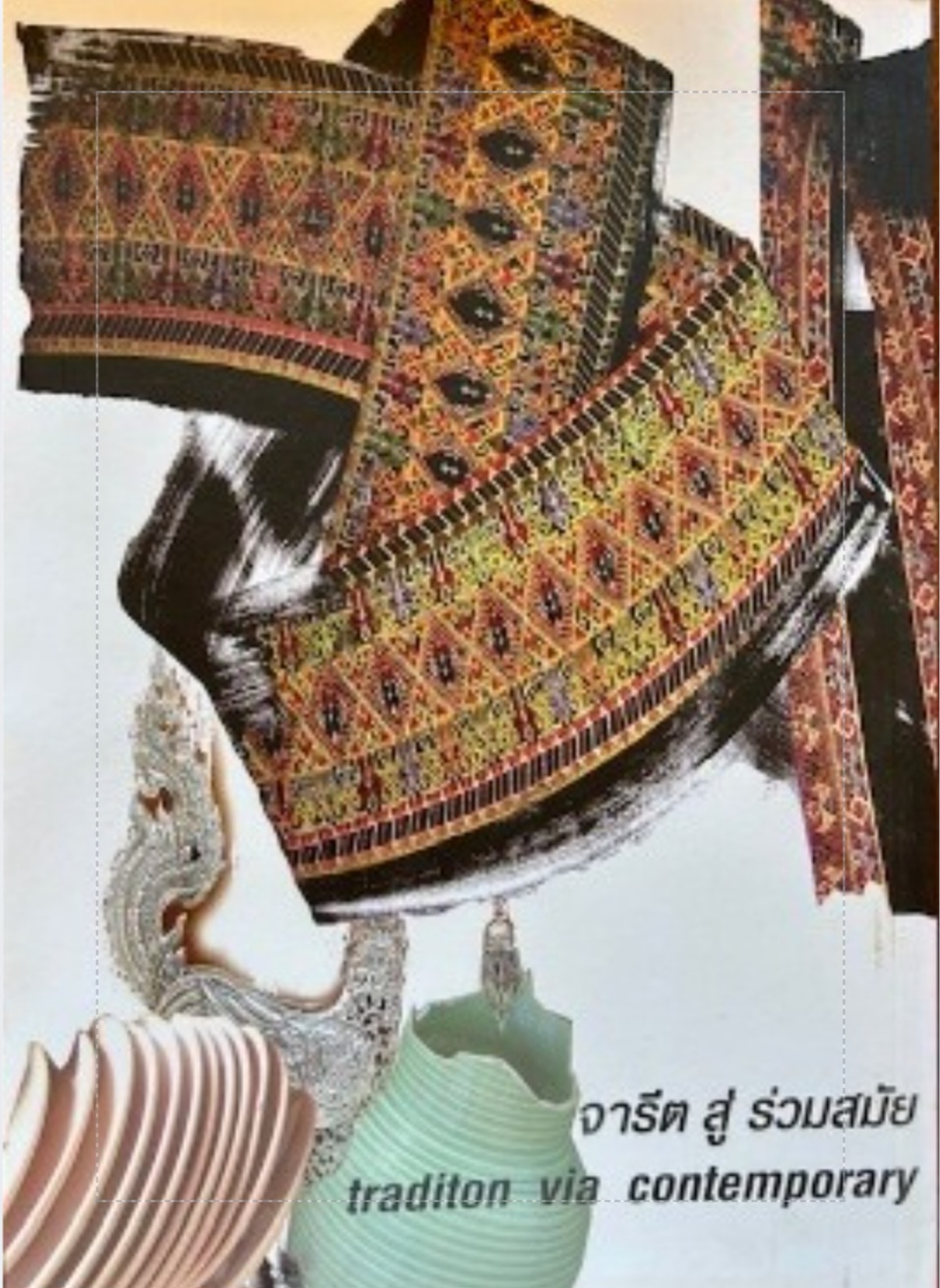
Author: Unknown, 2010, (Thai). Softcover
Publisher: Unknown
This catalog presents the work of Wattana Wattanapun, a distinguished contemporary painter whose artistic practice engages deeply with the visual and cultural heritage of traditional textiles. His oeuvre exemplifies a sophisticated dialogue between ancestral craftsmanship and modern aesthetics, reinterpreting textile motifs through painterly techniques that situate them within a contemporary art discourse. By transposing the tactile richness and symbolic resonance of fabric into the medium of painting, Wattana not only preserves cultural memory but also revitalizes it for new audiences. Beyond his contributions to fine art, Wattana Wattanapun is also recognized as the designer of the official logo of TTASSEA, a testament to his versatility and ability to translate cultural identity into visual form. His dual role as both painter and designer underscores the breadth of his creative vision, bridging tradition and innovation across multiple artistic domains.
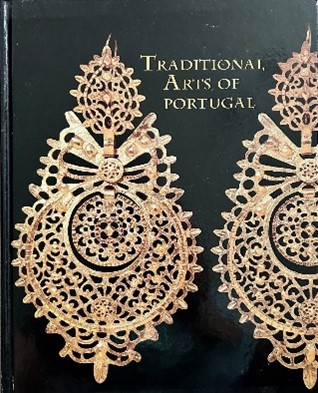
Author: Unknown. 2002. 176pg. (English)
Publisher: Ministry of Foreign Affairs, Lisbon & Musium Tekstil Jakarta
The book was specifically published to accompany a significant exhibition at the Jakarta Textile Museum in 2002. This volume prominently showcases a diverse array of items, such as embroidery, coverlets, costumes, jewellery, fishermen's shirts, painted fishing boats, carpets, and country furniture. The grand exhibition not only celebrated the enduring friendship between Indonesia and Portugal, but it also marked an unforgettable event at the dawn of the second millennium.
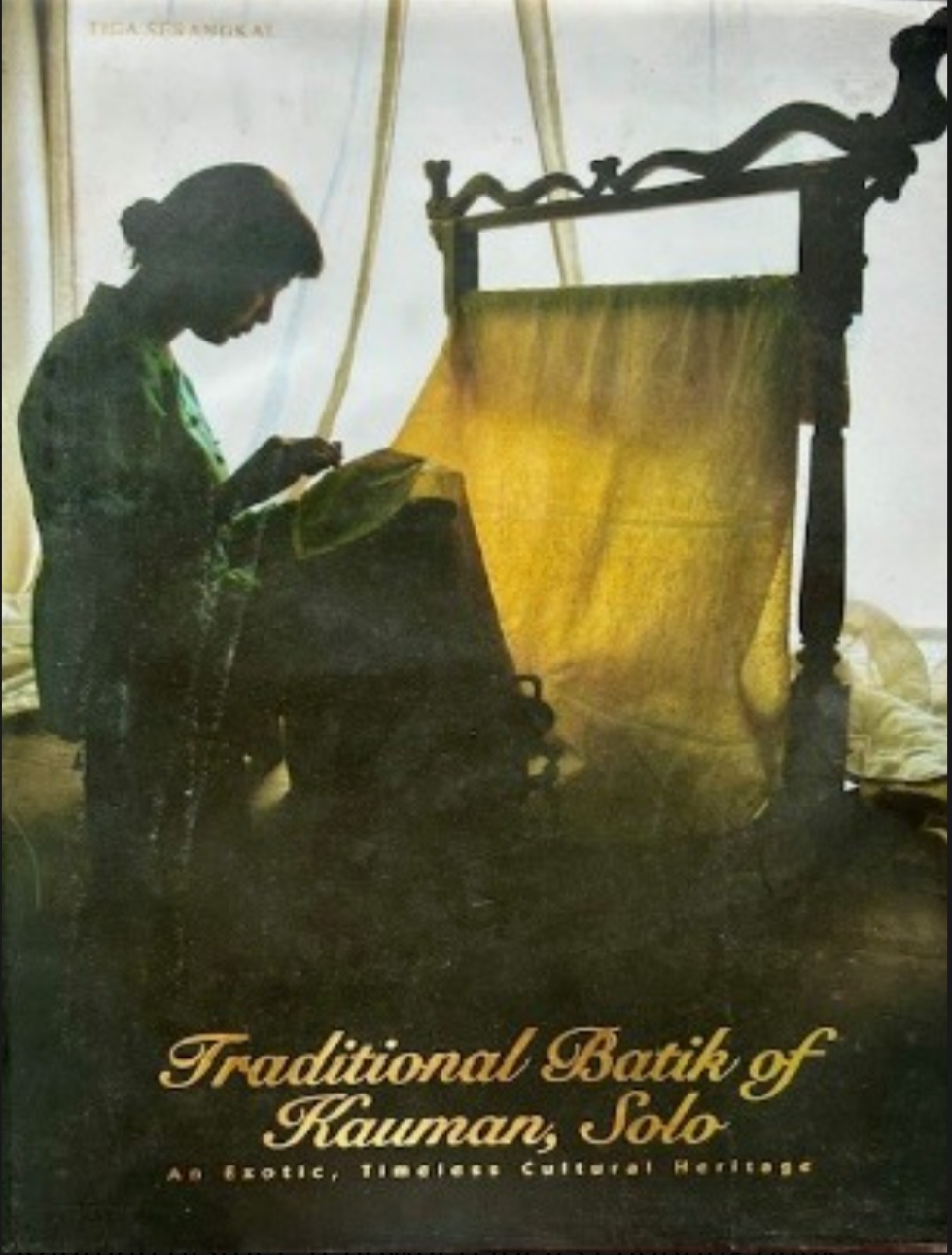
Author: Heriyanto Admojo, 2009, 211pg. (English). Hardcover
Publisher: Tiga Serangkai Solo
The volume highlights Surakarta’s distinguished Kauman district, renowned for its enduring batik tradition. Beyond this celebrated enclave, the text introduces several prominent landmarks within Solo, including the Keraton Surakarta, the city’s historic nucleus, a concise account of the Great Mosque (Masjid Agung), and the bustling Klewer Market. It further explores Kauman village, notable for its heritage mansions and the singular artistry of its handcrafted batik. Complementing the narrative, the book presents vivid color photographs that capture the cultural and architectural essence of this ancient city, alongside detailed visual documentation of Kauman’s batik craftsmanship.
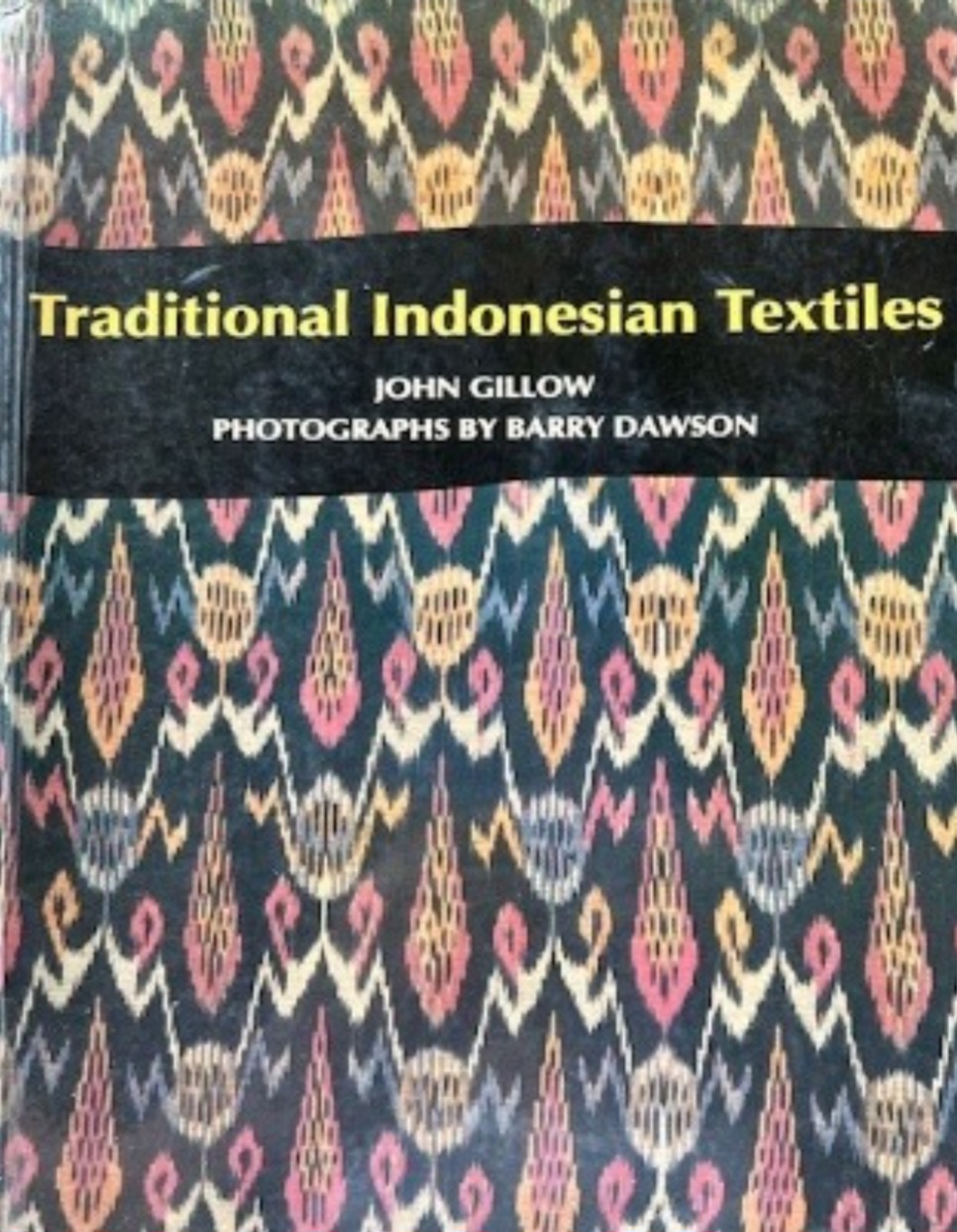
Author: John Gillow, 1993. 160pg. (English). Softcover
Publisher: Thames and Hudson, London
The author commences with an exploration of Indonesia’s textile history, subsequently introducing the fundamental elements of yarn, looms, and dyes. Within the Javanese context, he highlights the intricate decorative tradition of Batik, thereby unveiling to the reader a rich universe of patterns and symbolic motifs. His discussion extends to the diverse arts of textile embellishment, including supplementary weft and warp techniques, embroidery, appliqué, beadwork, and shellwork. Furthermore, he examines bark cloth, regarded as the most ancient form of traditional fabric, situating it within the broader continuum of Indonesian textile heritage.
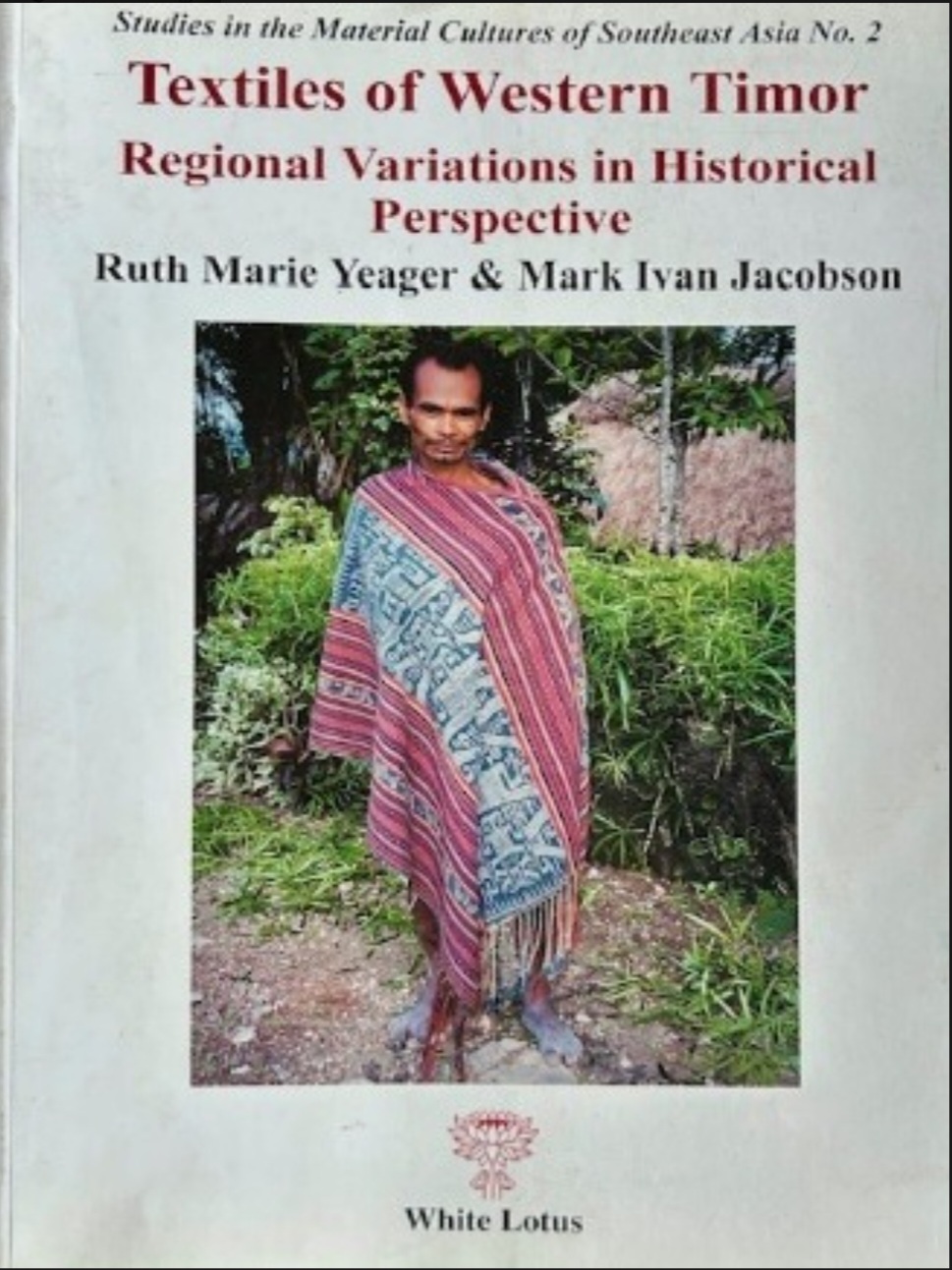
Author: Mark Ivan Jacobson & Ruth Mary Yeager, 1995 & 2002. 178 pgs. / 324pgs. (English). Softcover.
Publisher: Batuan Biru Productions, 1995, Jacksonville, Illinois, USA Studies & in the Material Cultures of Southeast Asia Series no.2. Photocopied version. & White Lotus 2002 – Bangkok, Thailand
This book (1995) is one of the first reports in English on traditional textiles mainly men’s selimuts from West Timor (Amarasi, Amfoang, Amanatun, Amanuban, Molo, Biboki, Insana, Miomafo, Malaka & Belu (Tassifeto), Lamaknen/Belu, and Ambenu (East Timor). The reports were written as a part time job alongside the primary job of Mr. Jacobson in Timor in 1995 as a geophysicist exploring hydrocarbon mining. Besides the physical and cultural setting, history, the role and art of weaving, regional descriptions of selimuts and sarongs, the authors present many photos and hand-drawn motifs to clarify their writings. A good initiative to document initial research on the textile art of West Timor, which was latter upgraded to the 2002 book published under the same name by White Lotus in Bangkok.
Page 100 of 108