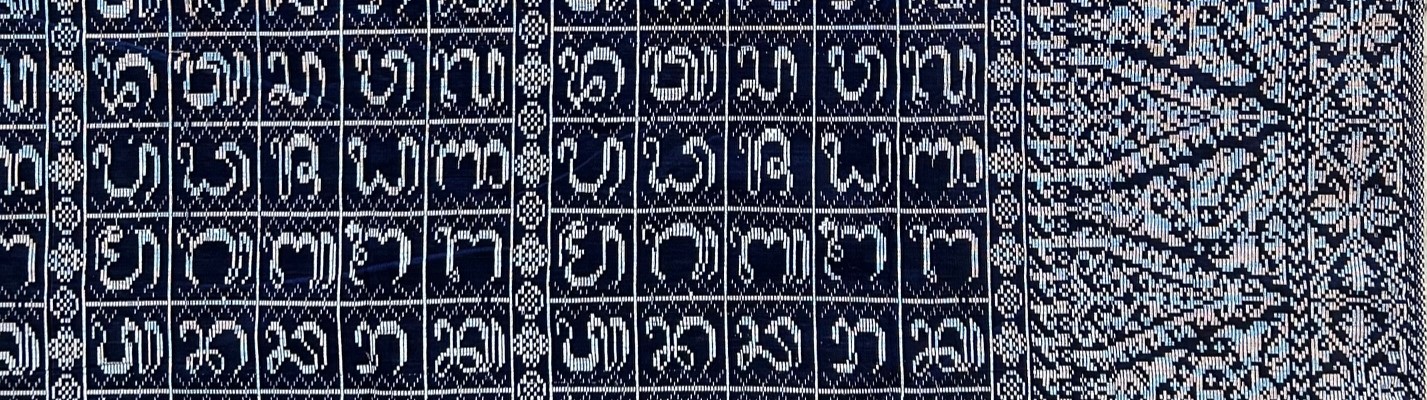
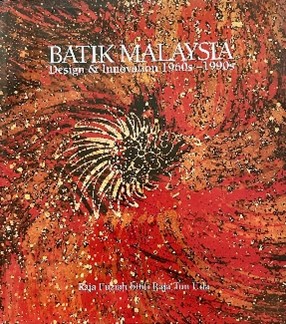
Author: Raja Fuziah binti Raja Tun Uda, 2012. 202pg. (English)
Publisher: Ministry of Information, Communication and Culture, Malaysia
The period from 1960 to 1990 was crucial in the development of Malaysian batik, as wax-stamped batik peaked in popularity with diverse motifs and colors. The traditional batik sarong evolved into yardage for tailored clothing, and other materials besides cotton were introduced for wax stamping and freehand drawing.
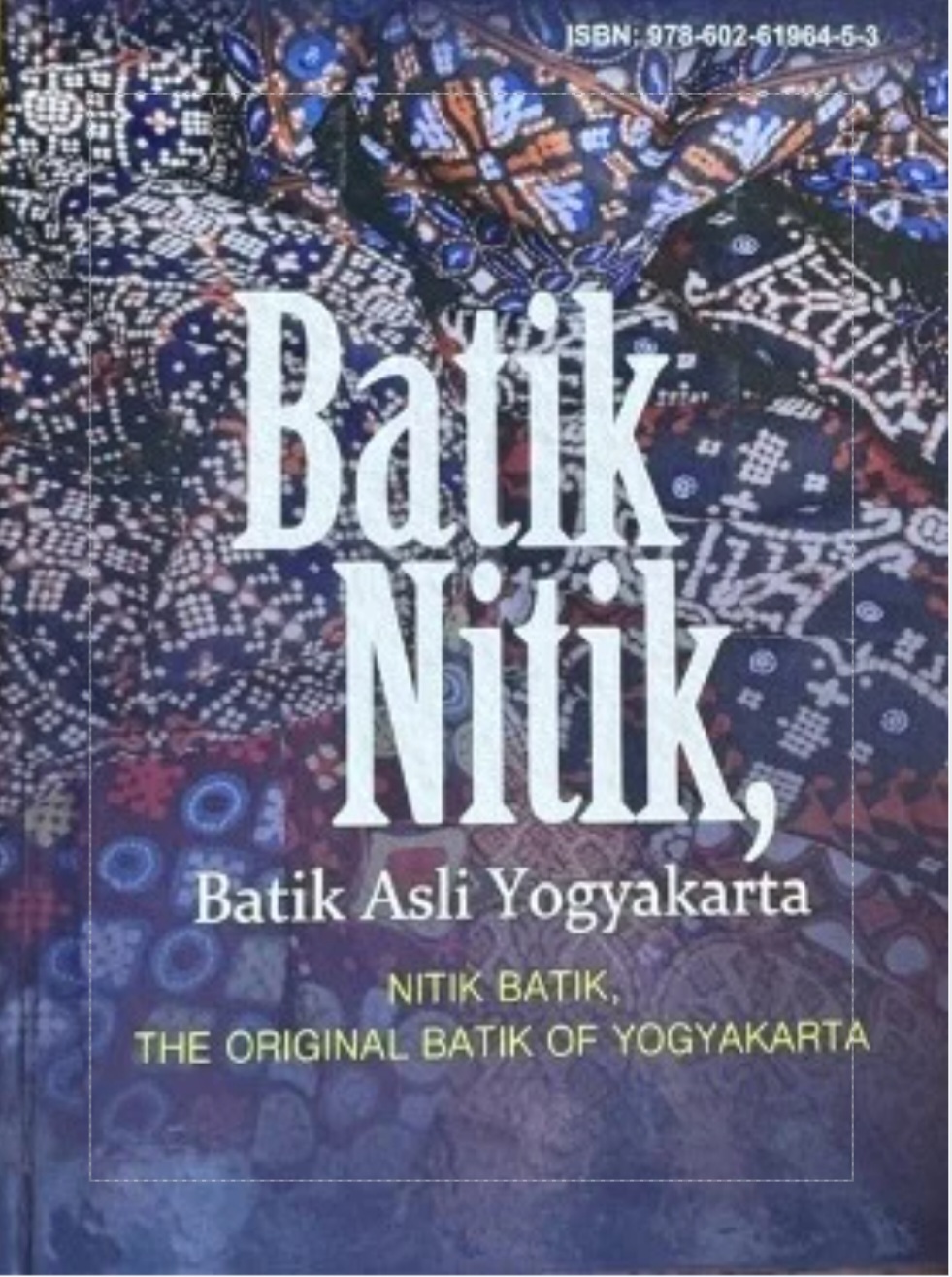
Author: Karina Rima Melati (Ed.), Hani Winotosastro, Tien Suhartini, Murdijati Gardjito (Ed.), Fkorencia Irena Kurniawan, Afuf Syakur, Suhartanto, 2021. 252 pgs, (Indonesian & English), Hardcover
Publisher: Sekar Jagad, Yogyakarta, Bank Indonesia Yogyakarta
Batik Nitik represents the oldest and most historically significant form of batik in Yogyakarta. Recently, it has been granted Geographical Indication (GI) status, a legal recognition that affirms the collective ownership of a distinctive cultural product by batik artisans within a defined region of Yogyakarta. This designation underscores that Batik Nitik has successfully met rigorous criteria relating to quality standards, cultural reputation, the specialized use of the canting nitik tool, and the unique aesthetic characteristics inherent to the craft. As a result, Batik Nitik now enjoys formal protection under Intellectual Property Rights (IPR), ensuring both the preservation of its cultural heritage and the safeguarding of its economic value for local communities.
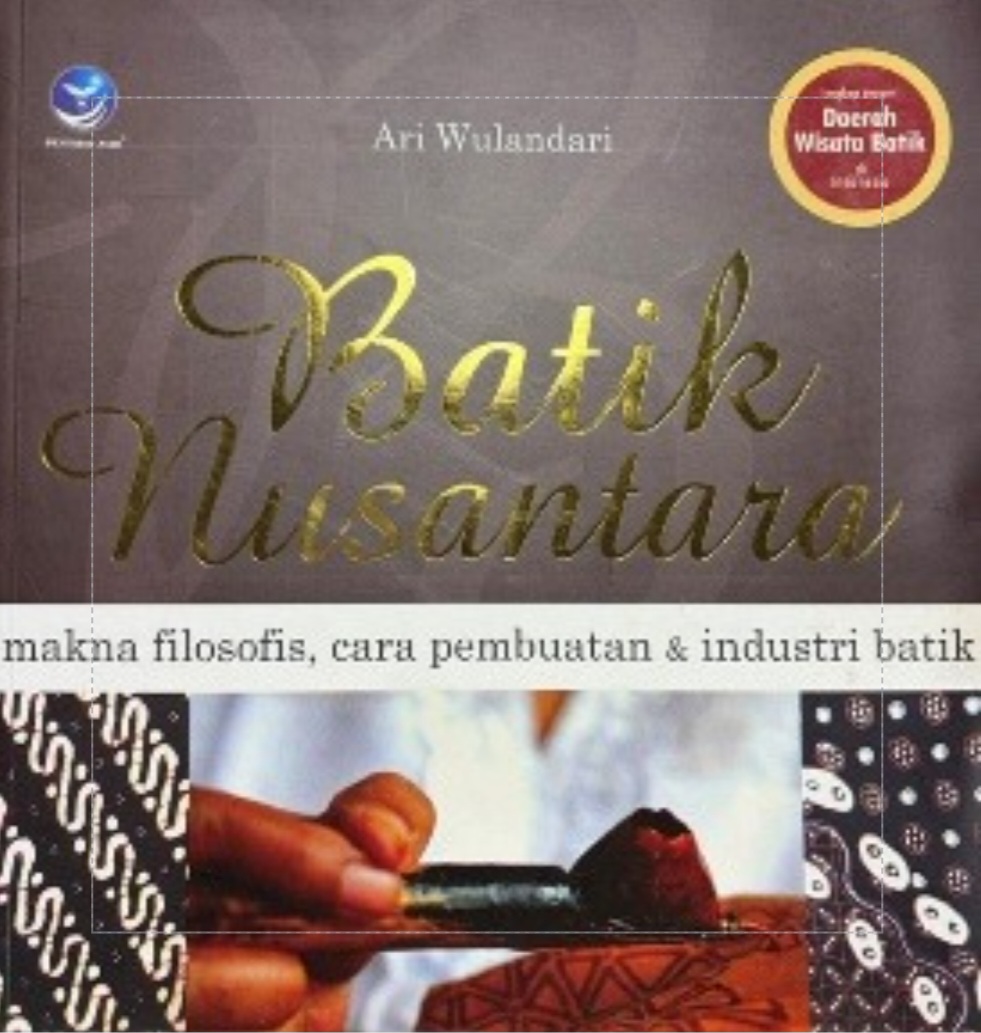
Author: Ari Wulandari,, 2011. 278pgs, (Indonesisn) Softcover
Publisher: ANDI, Yogyakarta
While Yogyakarta, Surakarta, and Pekalongan are widely recognized as prominent centers of batik production, they represent only a fraction of the rich and diverse traditions found across the Indonesian archipelago. Numerous other regions contribute to this cultural heritage, each distinguished by unique stylistic characteristics, symbolic motifs, and localized techniques that reflect their historical and social contexts. In light of this vast diversity, the author introduces this volume under the title Batik Nusantara—or Archipelago Batiks—to emphasize the breadth of regional expressions and to celebrate the collective artistry that defines Indonesia’s batik tradition."
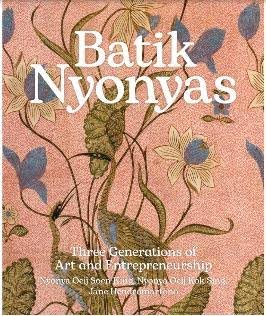
Author: Peter Lee, Naomi Wang, Barbara Watson, Andaya. 2024. pg. (in English)
Publisher: Asian Civilization Museum, Singapore
Three generations of Peranakan batik entrepreneurs—Oey Soen King, Mrs. Oey Kok Sing, and Jane Hendromartono—have produced stunning Chinese batik. The Museum Peranakan Singapore organizes an exhibition titled "Batik Nyonyas" from October 11, 2024, to August 31, 2025, celebrating the artistic contributions of these three visionary women
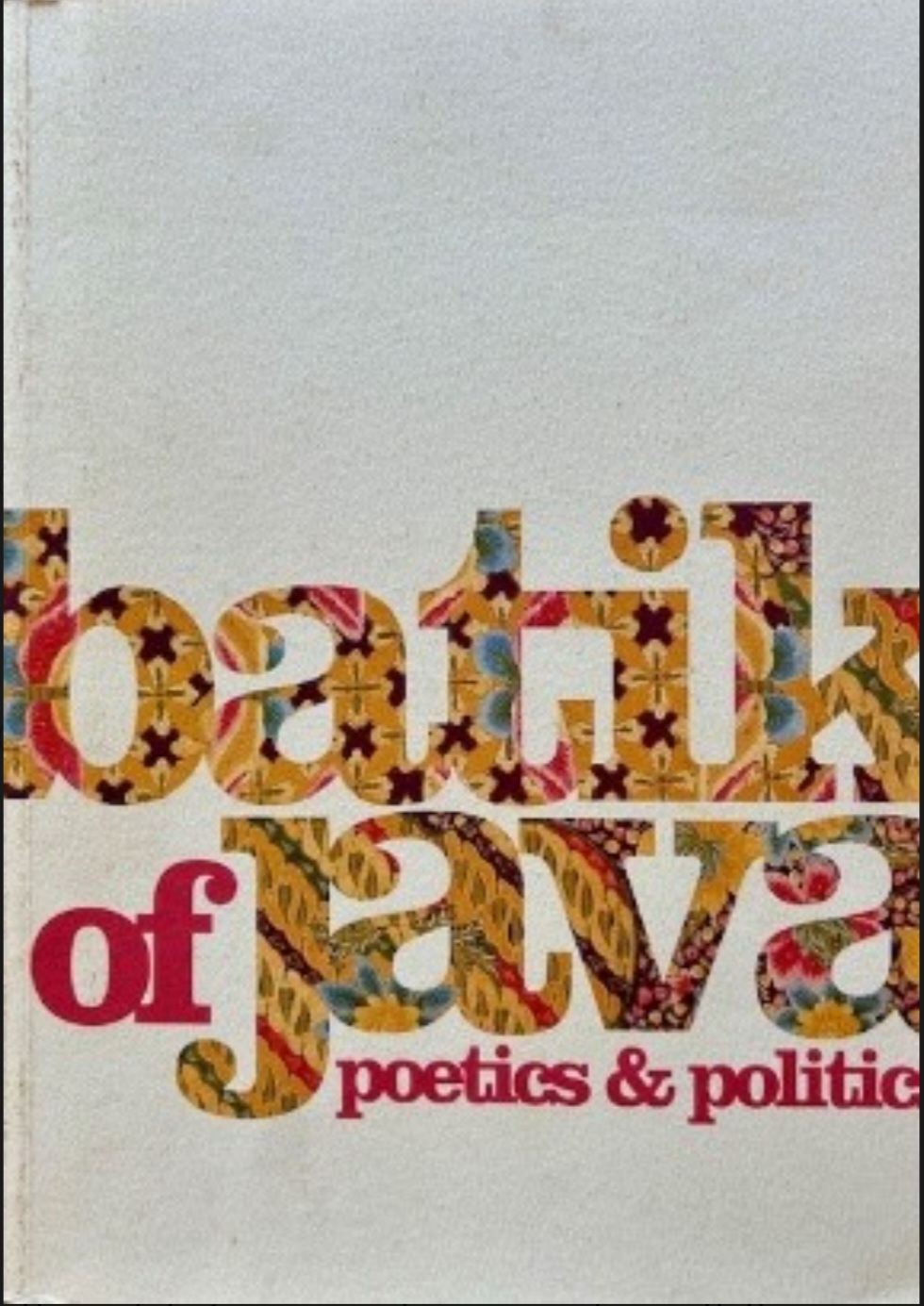
Author: Unknown, 2010, 64pg. (English). Softcover. Catalog
Publisher: Caloundra Regional Gallery, Queensland, Australia
This catalog was issued in conjunction with the exhibition entitled “Batik of Java: Poetics and Politics,” which was presented from 7 July to 14 August 2010 in Australia. The publication serves not merely as a record of the exhibition but as an intellectual companion, situating the art of Javanese batik within broader discourses of cultural identity, aesthetic expression, and socio-political context. By foregrounding both the poetic dimensions and the political resonances of batik, the catalog underscores the textile’s dual role as a medium of artistic creativity and a vehicle of historical narrative.
Page 13 of 108