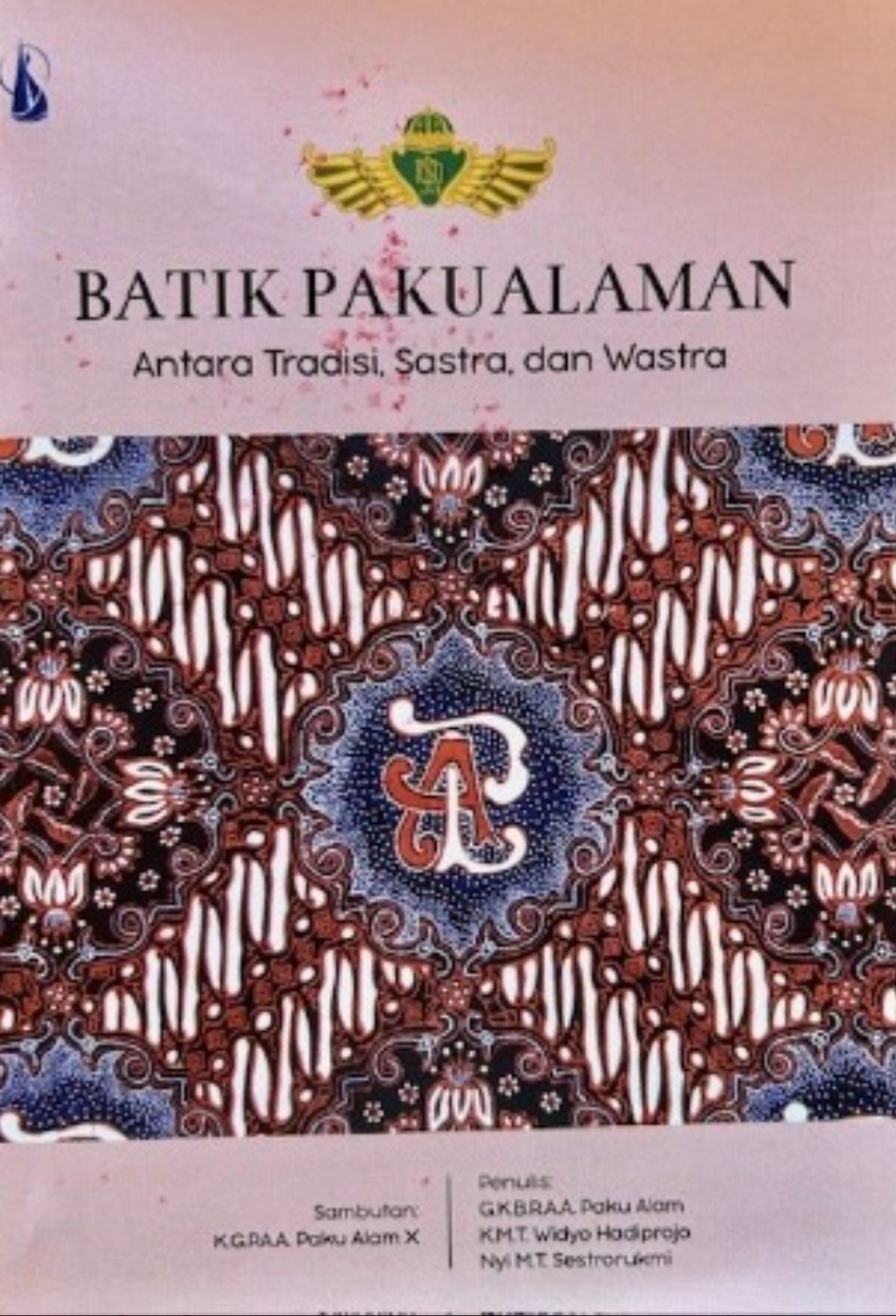
Author: GKBRAA Paku Alam, 2023, 146pg. (Indonesian). Softcover
Publisher: Kanisius, Yogyakarta
Batik Pakualaman occupies a distinctive position within the broader Yogyakarta batik tradition. Historically, it was closely aligned with the Surakarta batik style, yet in 2011 it emerged as an independent artistic expression. This transformation was marked by the creation of unique motifs inspired by the illuminations and illustrations preserved in the ancient manuscripts of the Widiyapustaka Library at the Puro Pakualaman. The book foregrounds these exquisite and historically significant designs, underscoring their role as both aesthetic achievements and cultural artifacts.
Author: GKBRAA Paku Alam, Dr. Sudibyo, Dr. Sri Ratna Saktimulya. 2023. 164 pg. (in Indonesian)
Publisher: Kanisius Media, Yogyakarta
The book explores the history and evolution of Pakualaman batik, a vital aspect of the Yogyakarta batik tradition. The research involves an in-depth study of intricate illuminations found in ancient manuscripts and Pakualaman poetry. A specific illumination, rich in meaning, is transformed into a drawing and subsequently developed into a batik design. The aim is for the wearer of the batik motif to feel inspired and motivated to embody the significance of the design in their actions and daily life
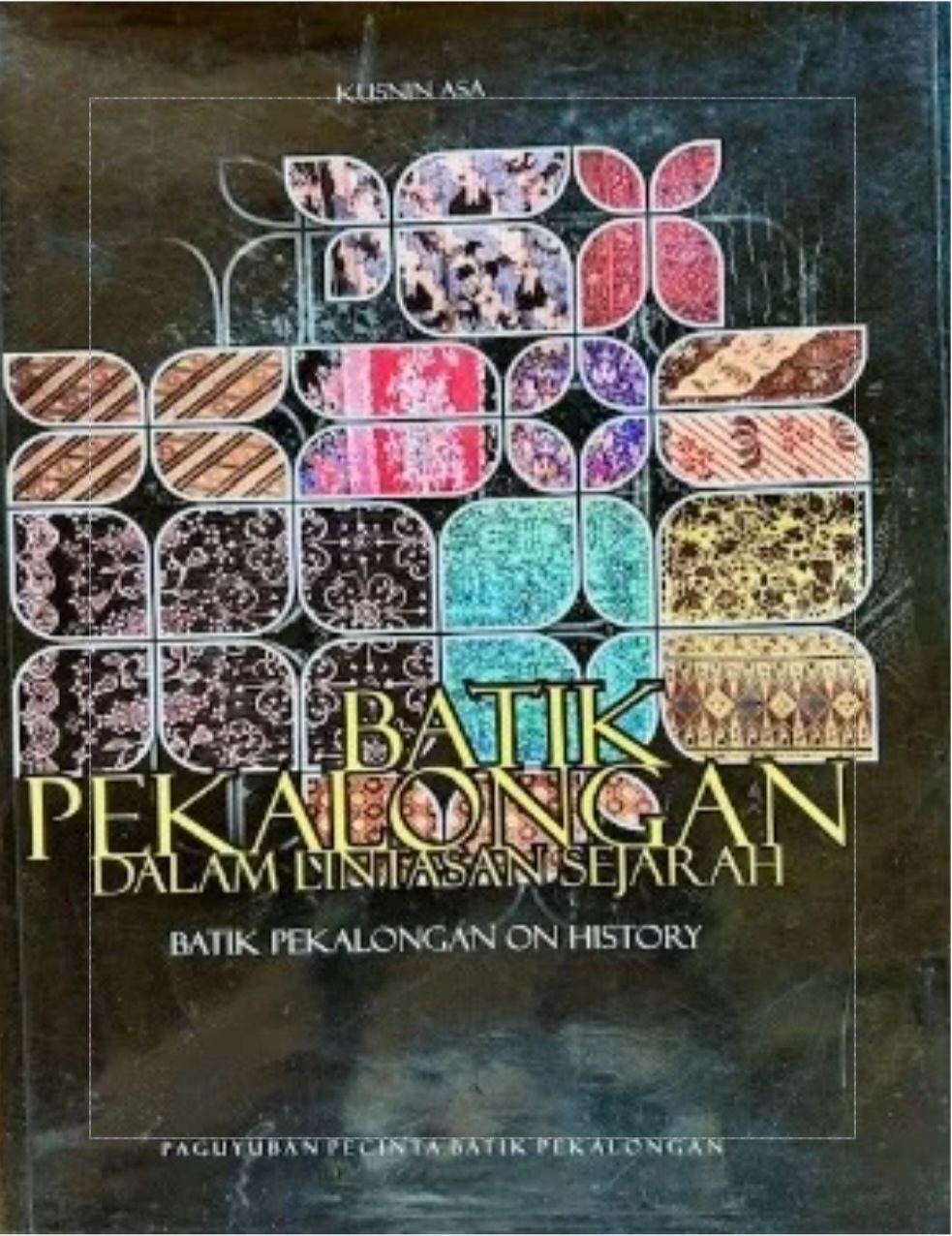
Author: Kusnin Asa, 2006, 304pg. (Indonesian), Hardcover
Publisher: Paguyuban Pecinta Batik Pekalongan, Pekalongan
The book presents a comprehensive historical account of Batik Pekalongan, tracing its development from the pre-Islamic era to the present day. It explores diverse traditions and cultural expressions, including Batik Pesisir (North Coast batik), sacred batik, the emergence of batik-producing villages, batik jelamprang, and the myth of Den Ayu Lanjar. The narrative further examines batik during the Mataram period, the influence of foreign traders and the formation of market groups, as well as the transformations experienced during the Japanese occupation. Attention is also given to the expansion of the batik industry following Indonesian independence, the distinctive color palettes of Batik Pekalongan, and the evolving aesthetic and cultural significance of this art form across different historical epochs.
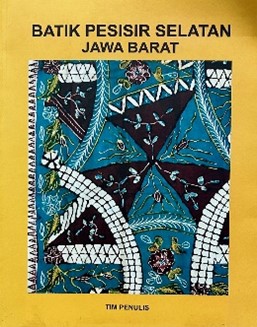
Author: Komarudin Kudiya et al. 2014. 220pg. (Indonesian)
Publisher: Yayasan Batik Jawa Barat, Jakarta
This volume provides a comprehensive documentation of the batik from the southern coast of West Java, a topic that has not received the attention it deserves until now. It showcases the distinctive batik from regions such as Ciamis, Pangandaran, Cianjur, Garut, Sukabumi, and Tasikmalaya. Each area is examined in detail, highlighting the unique motifs and the rich sources of inspiration behind the batik designs
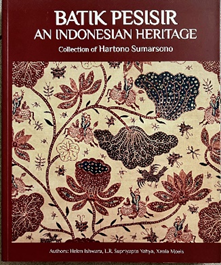
Author: Helen Iswara et al, 2012. 265 pg. (English)
Publisher: Kepustakaan Populer Gramedia, Jakarta
The book features batik pieces dating from the 1870s to the 1960s, collected from batik-producing towns along the northern coast of Java. It particularly emphasizes batiks from Pekalongan, Batang, Tegal, Lasem, Kudus, Banyumas, Cirebon, Indramayu, Garut, Sidoarjo, and Madura. Furthermore, the author explores various aspects of batik, including pangsi (batik pants), batik slings, isen-isen (batik fillers), lataran (background), and the subject of signed batiks.
Page 14 of 108