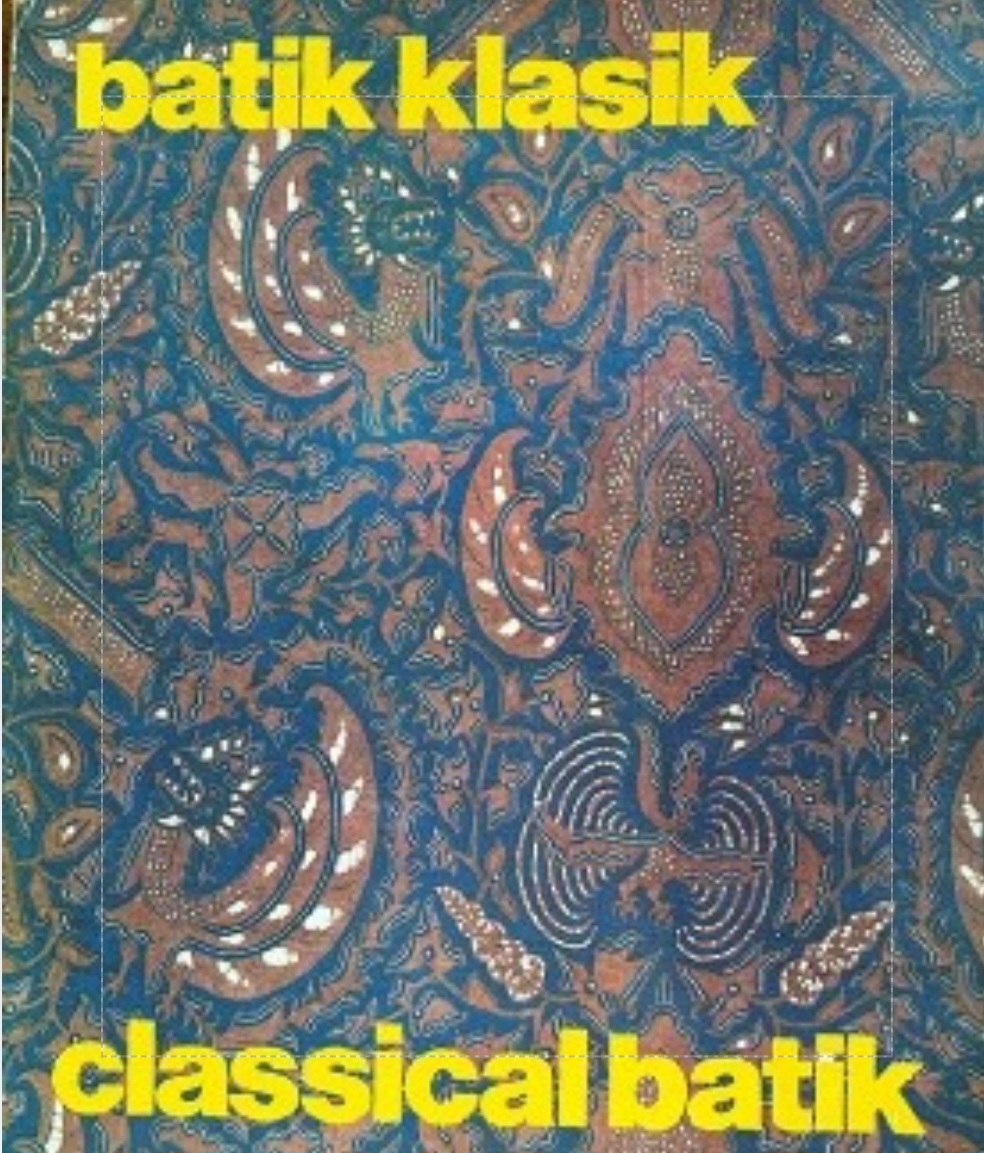
Author: Drs. Hamzuri. Translated by Judi Achjadi, 1981. 113pgs. (Indonesian & English). Softcover
Publisher: Djambatan, Jakarta
This volume represents one of the earliest comprehensive treatises on classical batik, distinguished by its black-and-white illustrations and authored by a recognized connoisseur of the art form. The text systematically delineates the batik process, specifying the requisite materials and tools, and provides a detailed account of the finishing technique known as mbabar. It further addresses the preparatory treatment of cotton cloth, the crafting of a stole, and concludes with an extensive glossary that catalogues batik motifs alongside dialectical terminology. In doing so, the work not only documents technical procedures but also preserves the linguistic and cultural dimensions integral to the batik tradition.
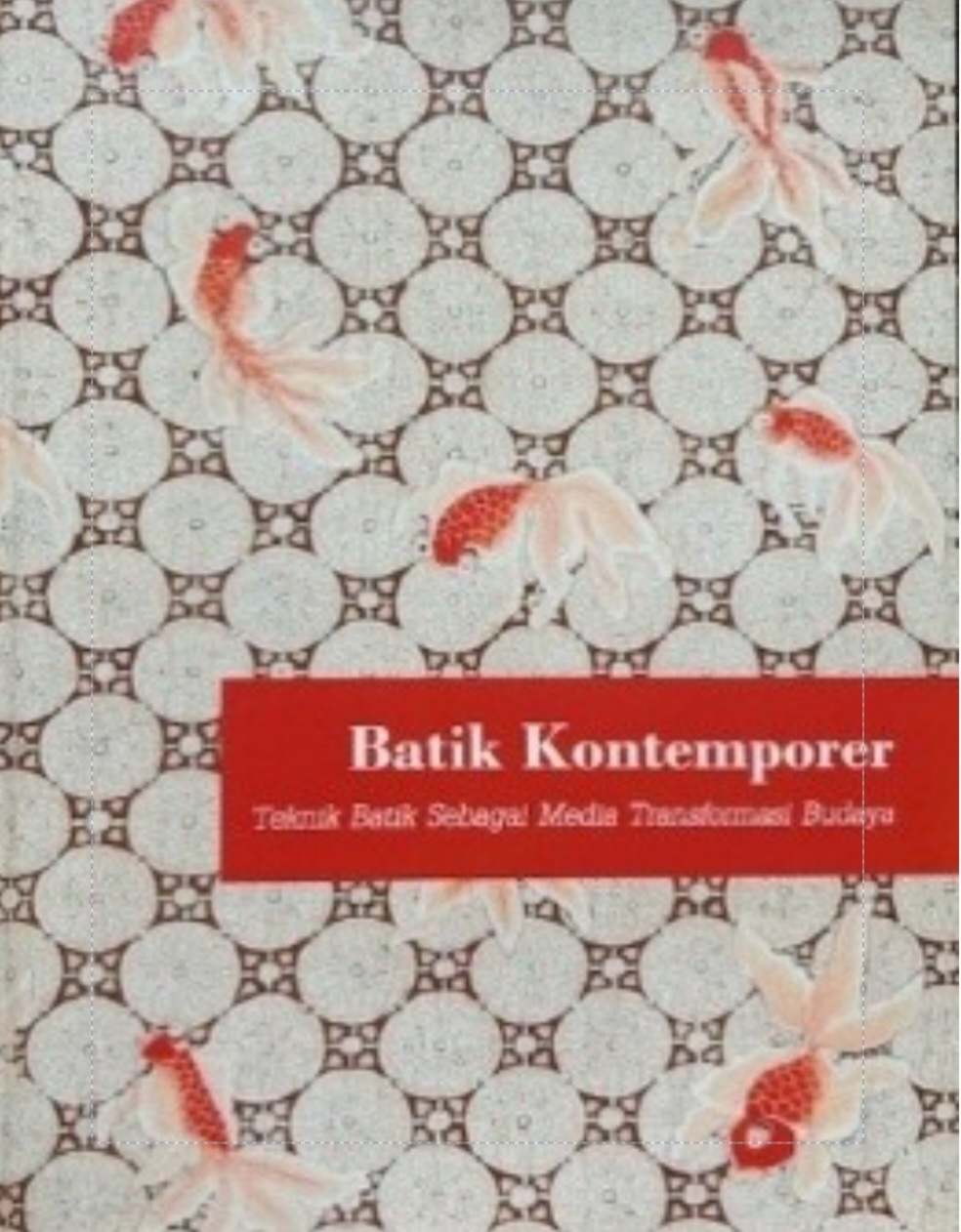
Author: Lucky Widjajanti & Benny Grata, 2013, 51pg. (Indonesian). Softcover. Catalog
Publisher: Museum Tekstil Jakarta
The exhibition received significant support from Dwita Herman, a distinguished textile connoisseur and cultural innovator, who sought to introduce transformative shifts within the batik repertoire of Indonesia. Her engagement with local batik markets revealed a striking pattern: artisans predominantly reproduced motifs derived from familiar surroundings, natural landscapes, and inherited traditions. While this practice underscores the deep-rooted connection between batik and its cultural environment, Herman recognized the limitations it imposed on creative evolution. Through her extensive travels, she encountered and documented a number of contemporary batik expressions, which demonstrate how this ancient art form can be reimagined in dialogue with modern aesthetics and global influences. Herman not only highlights the artistry of individual makers but also advocates for a broader redefinition of batik as a living, adaptive tradition capable of engaging with contemporary discourses in design and textile studies.
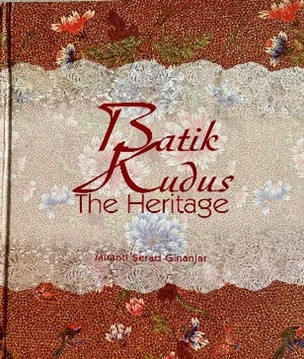
Author: Miranti Serad Ginanjar. 2015. 272 pg. (in Indonesian and English)
Publisher: Hastabrata Nawala Kencana, Jakarta
The book showcases a selection of the rarest and finest batiks produced in Kudus, famous for their unique and intricate patterns, aiming to document and preserve this heritage.
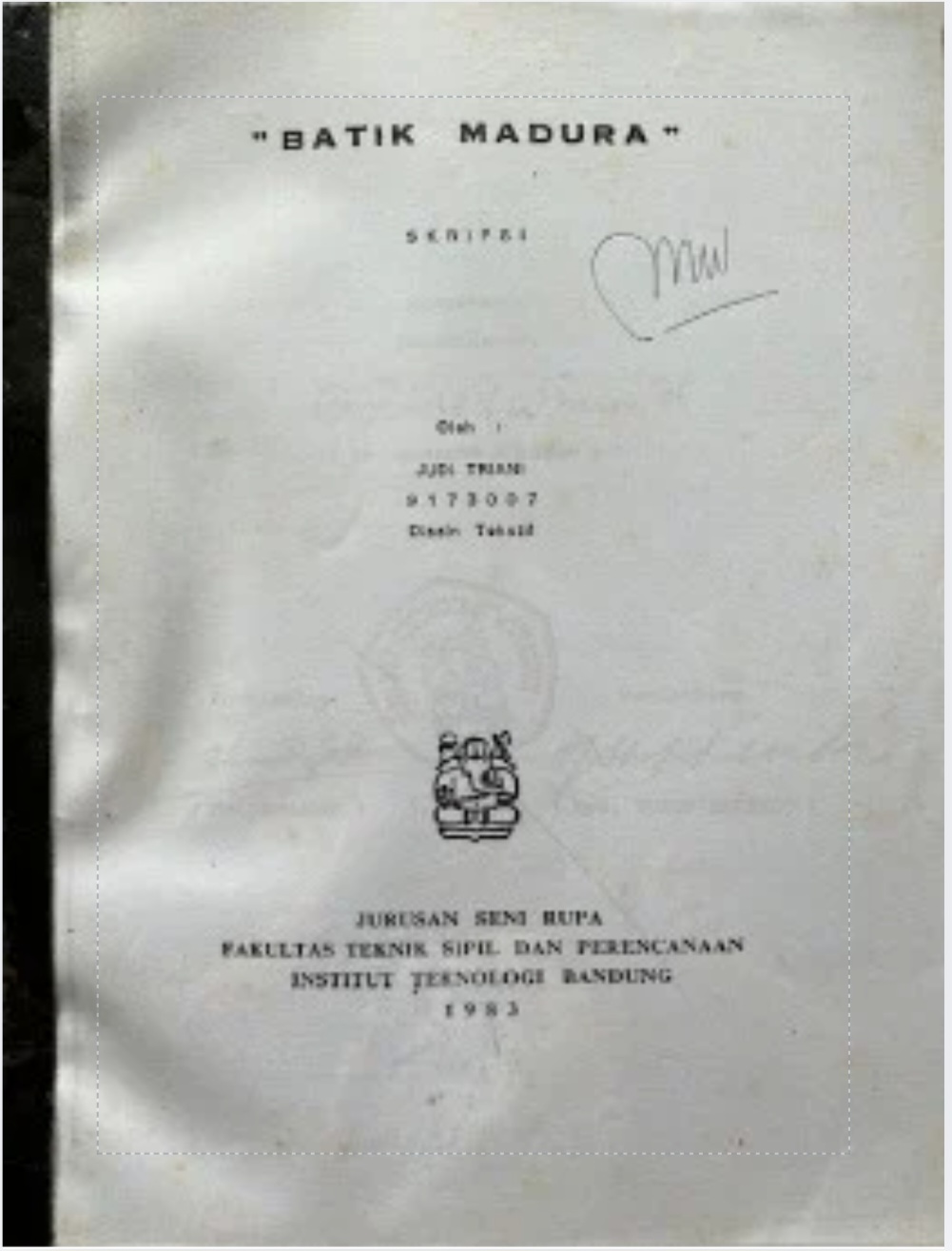
Author: Judi Triani, 1983, 197pg. (Indonesian), Photocopied version.
Publisher: Judi Triani, Jakarta
This thesis represents the final undergraduate work of Judi Triani, an esteemed member of Himpunan Wastraprema. To date, there has been a notable absence of published monographs or comprehensive studies addressing the evolution of Batik Madura in the twenty-first century, rendering Triani’s contribution particularly significant within the field of Indonesian textile scholarship. Her research provides a rare and valuable perspective on the cultural, artistic, and socio-economic dimensions of Batik Madura during a period of rapid modernization and globalization. Tragically, Judi Triani passed away in Jakarta in 2015, leaving behind a legacy of dedication to the preservation and academic study of Indonesia’s textile heritage.
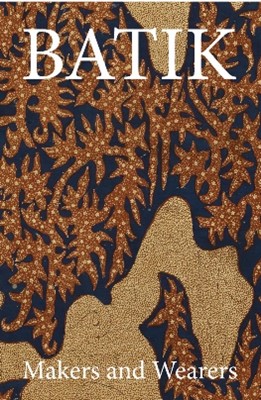
Author: Lee Chor Lin et all. 2022. 468 pg. (in English)
Publisher: Asian Civilization Museum, Singapore.
“Batik Makers and Wearers” delves into the rich history and culture of batik and batik-making, tracing its traditional roots to contemporary design. This book accompanies the exhibition titled “Batik Kita: Dressing in Port Cities,” which was held at the Asian Civilizations Museum from June 17 to October 2, 2022.
Page 12 of 108