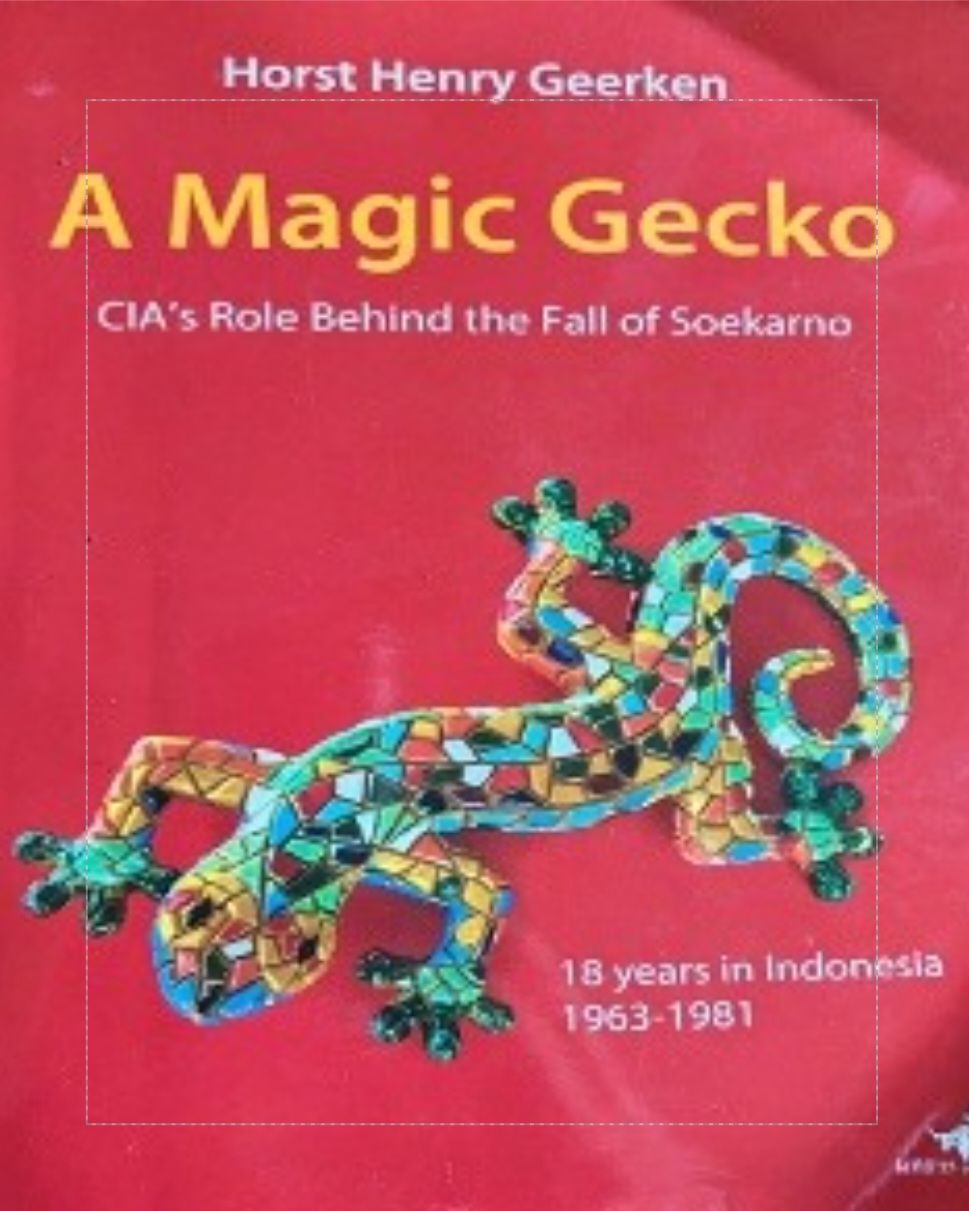
Author: Horst Henry Geerken, 2011. 360pgs. (English). Softcover
Publisher: Kompas Gramedia, Jakarta
The volume under consideration is a translation from the original German, authored by Geerkens, who resided in Indonesia for eighteen years until 1981. In this work, the author reflects upon his prolonged engagement with the Indonesian archipelago, offering a personal yet historically situated account of life during a period of profound political turbulence. Central to his narrative is the contested backdrop of the attempted coup of 30 September 1965. While the precise circumstances surrounding this event remain the subject of considerable scholarly debate, Geerkens acknowledges the multiplicity of theories that have emerged. Subsequent publications and declassified documents, however, increasingly suggest that the Indonesian Communist Party (PKI) exerted far less influence than was initially presumed, whereas the involvement of external actors—most notably the Central Intelligence Agency (CIA)—appears to have been substantially greater than earlier assessments indicated. Beyond its political implications, the book provides a vivid portrayal of the lived experiences of a foreigner navigating Indonesian society during a time of upheaval. These recollections resonate with many Indonesians who endured or inherited the legacies of that era, thereby situating Geerkens’s testimony as both a personal memoir and a valuable contribution to the broader historiography of Indonesia’s mid-twentieth-century transformations.
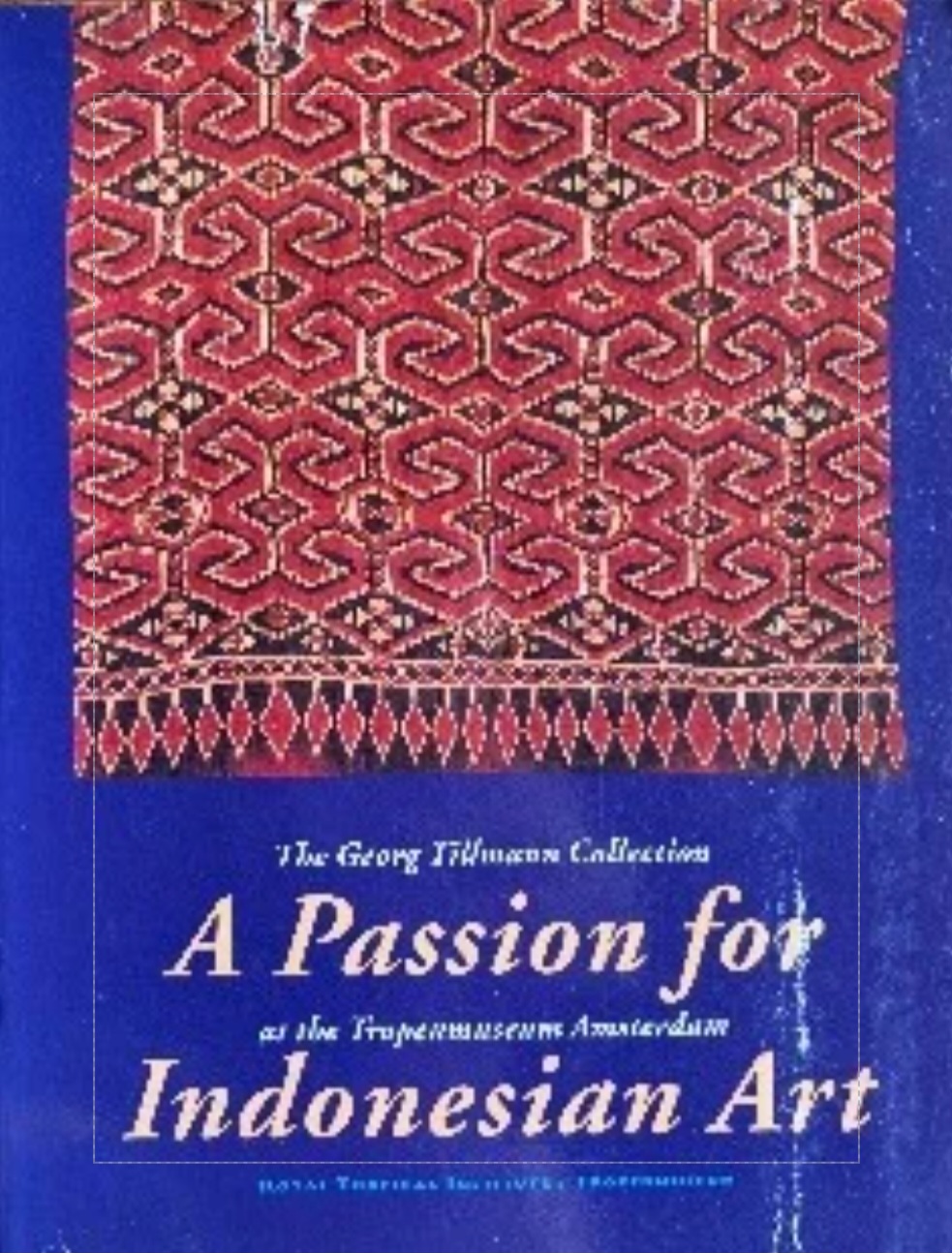
Author: Kees van Brakel, David van Duuren, & Itie van Hout, 1996. 127Pgs. (English). Softcover.
Publisher: Royal Tropical Institute/Tropenmuseum, Amsterdam
This volume constitutes a luminous exploration of Southeast Asian cultural heritage. It traces the intellectual and aesthetic journey of a devoted collector active in the 1930s, whose passion for preservation is revealed through an arresting assemblage of historic textiles, sculptural works, and sacred artifacts. The richly curated photography not only documents material artistry but also illuminates the spiritual and social dimensions embedded within these objects. As such, the work transcends mere visual cataloguing, offering instead a specialized compendium that is indispensable to cultural anthropologists, art historians, and scholars of Southeast Asian studies.
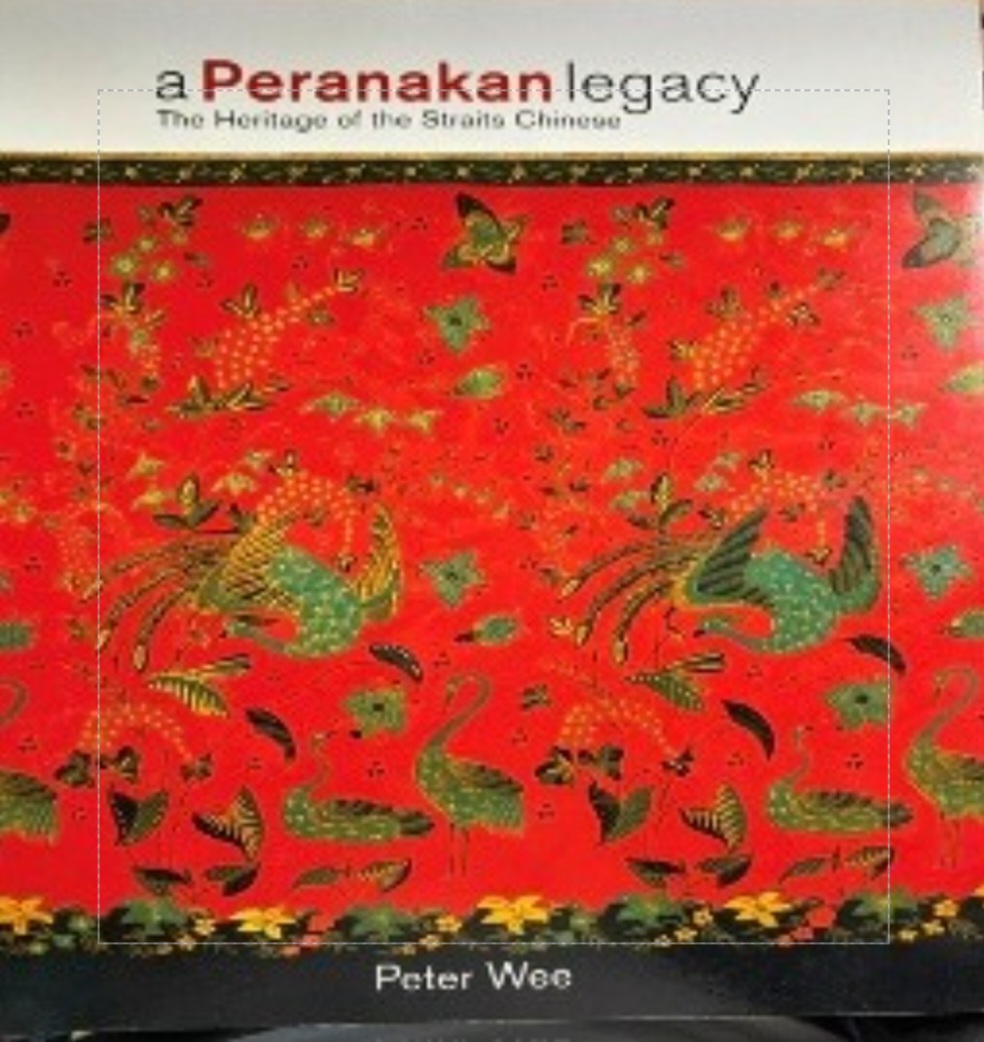
Author: Peter Wee & Brenton Wong (Text), 2012. (English). Softcover
Publisher: Marshall Cavendish Editions, Singapore
The book, through its lavish full-color photography, vividly captures the Peranakan community’s profound adherence to customs and etiquette, offering readers an intimate introduction to their distinctive way of life. The volume meticulously documents the traditions of Baba weddings, tracing their ceremonial practices back to ancestral customs originating in Fujian province, China. Beyond ritual, the author illuminates the material culture of daily existence: exquisitely hand-embroidered garments, footwear, and accessories; porcelain of remarkable delicacy; enamelware and glassware employed in domestic settings; and altars dedicated to ancestral veneration. Baba Wee further explores recreational pursuits, presenting the games and leisure activities cherished by the Straits Chinese, alongside their vibrant annual festivals, elaborate funeral rites, and resplendent silver and gold jewelry. Ultimately, this work serves as a cultural lens into the everyday life of the Straits Chinese, whose unique identity emerges from a rich synthesis of Eastern and Western influences — Chinese, Malay, Indian, Indonesian, Portuguese, Dutch, and British — forming a hybrid tradition of remarkable resilience and aesthetic sophistication.
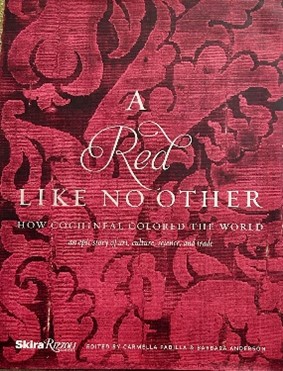
Author: Carmella Padilla & Barbara Anderson (Editors), 2015. 320pg (English)
Publisher: SKIRA, New York
The compelling narrative of the search for the world’s most powerful color firmly revolves around red, a dominant symbol of power, wealth, mystery, and sexuality that has inspired artists for centuries. Spanish explorers discovered a striking dye from the cochineal insect, which played a pivotal role in shaping art, culture, and trade. "A Red Like No Other" decisively chronicles the journey of this valuable insect from Mexico to Europe.
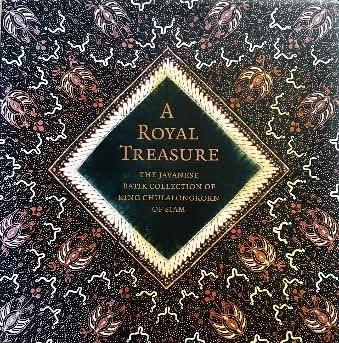
Author: Dale Carolyn Gluckman, Sarttarat Muddin, Piyanan Petcharaburanin. 2020. 320 pg. (English).
Publisher: Riverbooks, Bangkok.
King Chulalongkorn of Thailand collected handmade batik pieces during his three visits to Indonesia. After his death in 1910, over 300 pieces were secured in a royal pavilion. This collection includes important documentation of batiks from West and Central Java created in the late 19th and early 20th centuries, featuring rare items from notable batik ateliers. This documentation is crucial for Indonesian batik researchers and was highlighted in a 2018 exhibition at the Queen Sirikit Museum of Textiles, contributing significantly to the field of Indonesian batik treasury.
Page 2 of 108