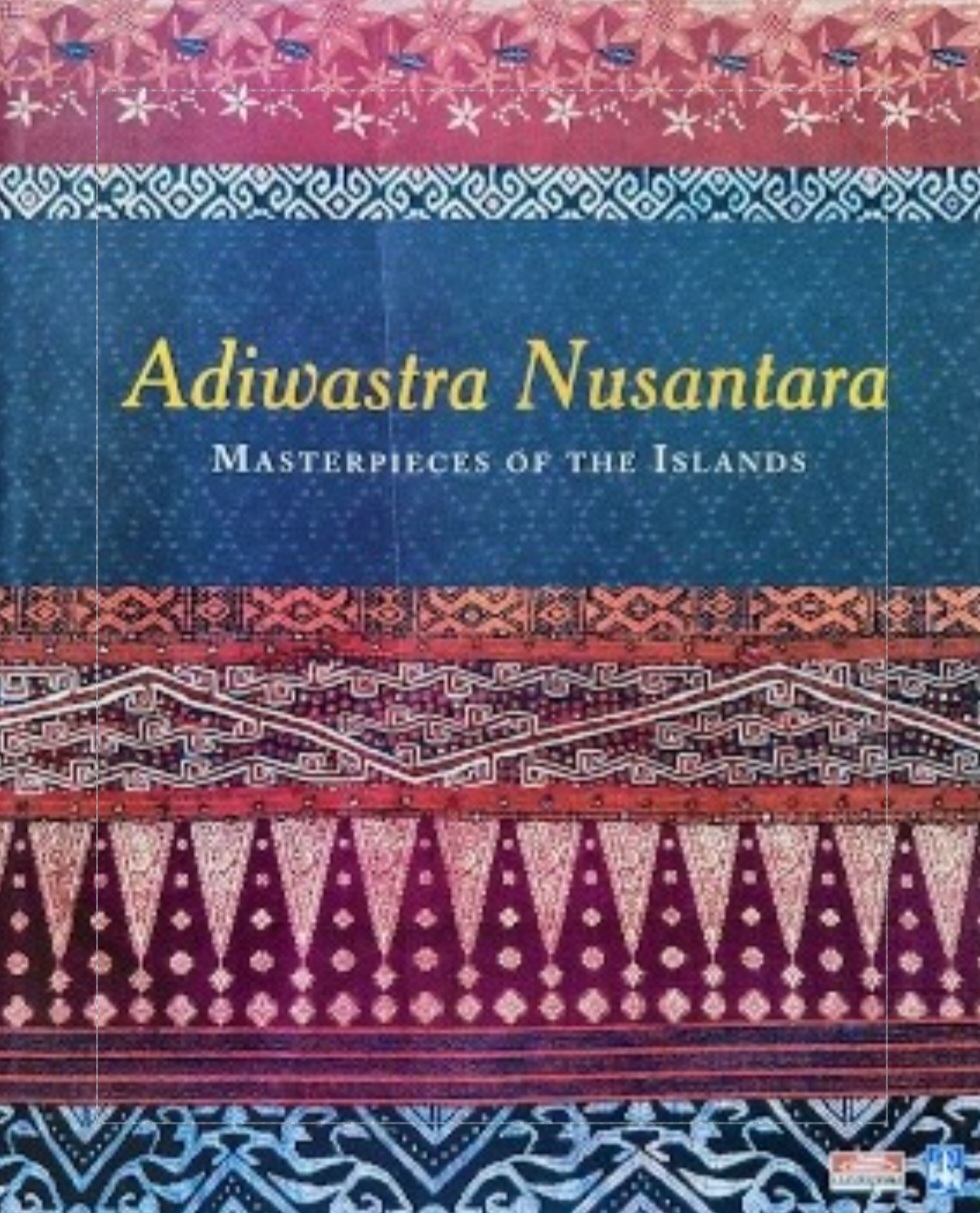
Author: Judi Achjadi, Mariah Waworuntu (editor), 2010, 198pg. (English). Hardcover. Catalog
Publisher: Dian Rakyat & Himpunan Wastraprema, Jakarta
In August 2008, during Adiwastra Nusantara—the nation’s preeminent fair dedicated to traditional textiles—the Himpunan Wastraprema inaugurated a distinguished exhibition entitled Masterpieces of the Archipelago at the Jakarta Convention Center. The accompanying catalogue presents a meticulously curated selection of full-color photographs that document the most exemplary works showcased. Beyond serving as a visual archive, the catalog functions as both a celebration of Indonesia’s rich textile heritage and a testament to the consummate artistry, technical virtuosity, and cultural devotion of its creators. By situating these textiles within a broader discourse of aesthetic achievement and historical continuity, the exhibition underscores the enduring significance of textile traditions as vital expressions of identity, craftsmanship, and collective cultural memory.
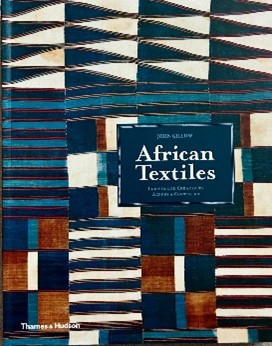
Author: John Gillow, 2016. 240 pg. (English)
Publisher: Thames and Hudson, London
African textiles encompass the handmade fabrics of the African continent, highlighting a variety of weaving techniques, loom types, materials, and dyes used in their creation. Additionally, the cultural context of African textiles is explored, considering the diverse influences of religion, culture, trade, tradition, fashion, and the evolving roles of women that shape these creations.
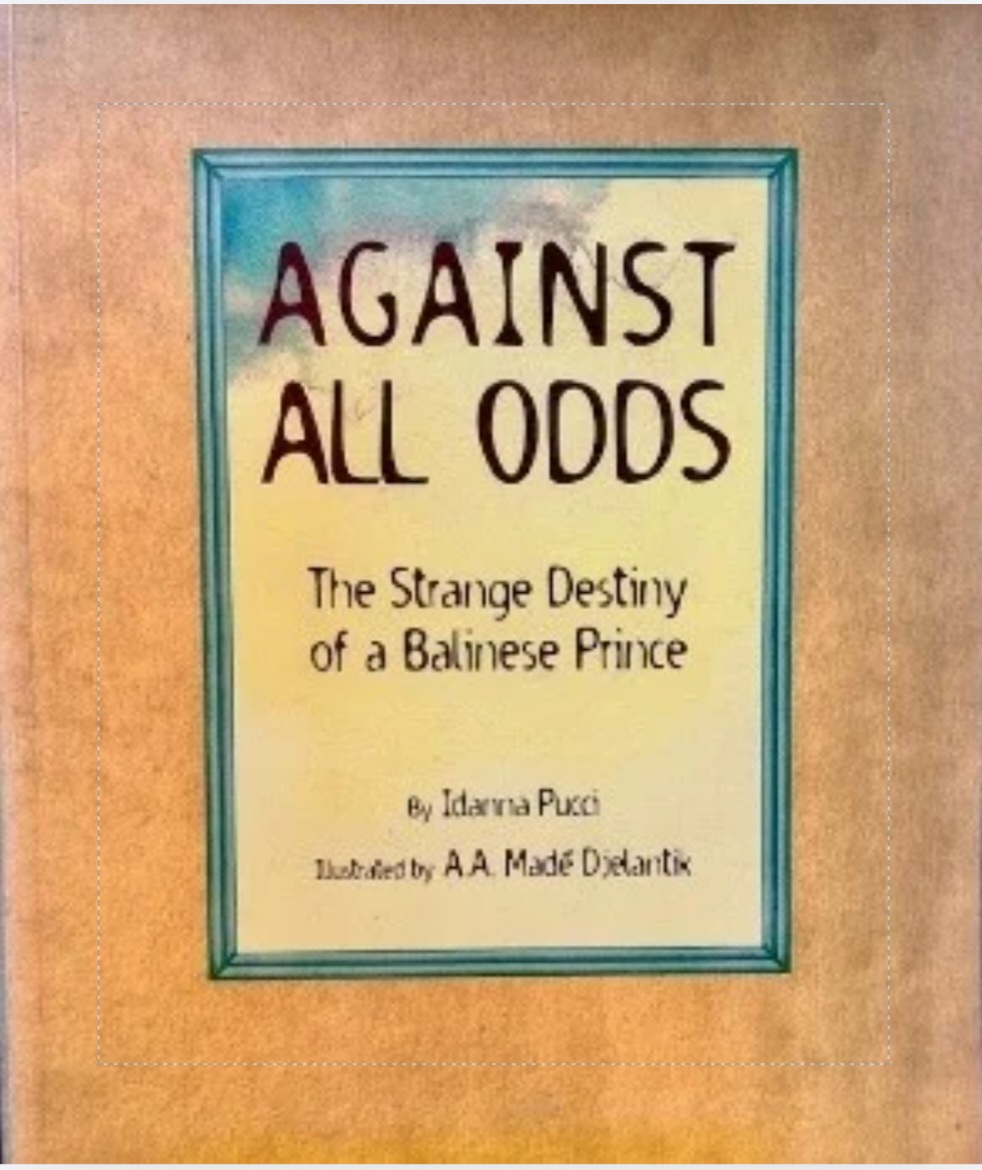
Author: Idanna Pucci, 2004, 193pg. (English). Softcover.
Publisher: Saritaksu, Bali
Through the luminous artistry of Dr. Made Djelantik and the eloquent narratives so masterfully conveyed by Idanna Pucci, we are reminded—at this pivotal juncture in history—of the enduring resonance of Bali’s artistic and spiritual heritage. Their work illuminates how profoundly this legacy continues to enrich the reader, offering not merely aesthetic delight but also a profound philosophical compass. In an era marked by disquiet and imbalance, the Balinese ethos—rooted in the pursuit of beauty, harmony, and inner peace—emerges as an urgent paradigm for integration into our own lives. More than ever, we are called to cultivate within ourselves a sanctuary of stillness, a quiet space of the soul where these cherished attributes may take root.
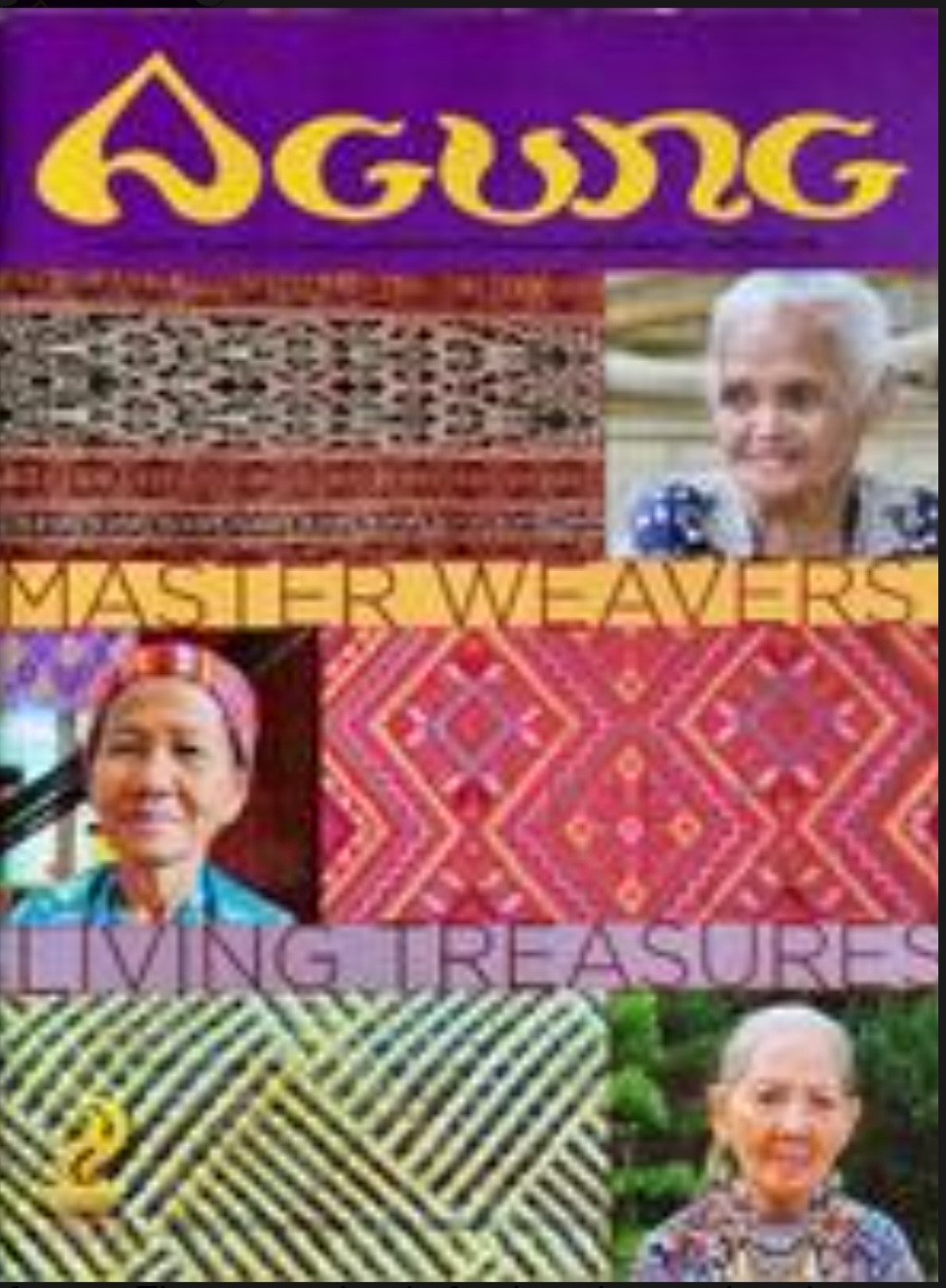
Author: Unknown, 2018, 71 pg. (English). Magazine
Publisher: National Commission for the Culture and the Arts, Intramuros, Manila
This publication, issued by the National Commission for Culture and the Arts, foregrounds the artistry and cultural significance of the Philippines’ master weavers. It not only highlights their role in safeguarding traditional textile practices but also underscores the broader heritage embedded within these woven forms. The magazine is further devoted to the meticulous reconstruction and scholarly appreciation of diverse indigenous traditions, including the intricate Yakan woven textiles, the symbolic artistry of mat weaving, the vibrant Blaan textile traditions, and the enduring cultural narratives inscribed in Kalinga tattoos. Collectively, these features illuminate the profound interconnection between material culture, identity, and historical continuity within the archipelago.
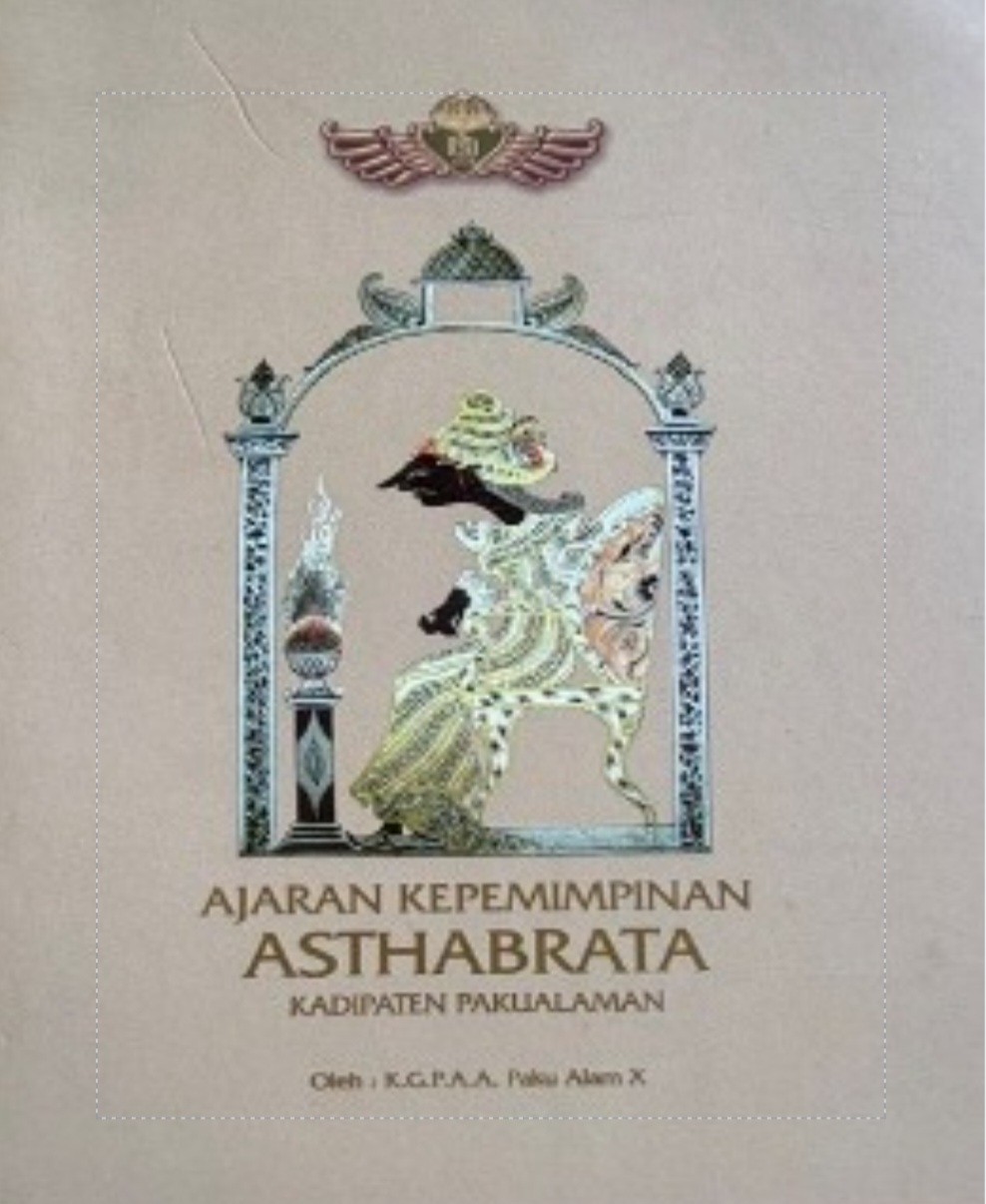
Author: K.G.P.A.A. Paku Alam X, 2017 (second edition), 100pgs., (Indonesian & English), softcover
Publisher: Perpustakaan Puro Pakualaman, Yogyakarta
Through the extensive collection of heirlooms preserved at Puro Pakualaman, one may discern its pivotal role in Indonesian history and its contributions to the evolution of civilization in both Indonesia and the Special Region of Yogyakarta. The distinctive status of Puro Pakualaman as one of the four autonomous polities within the Praja Dalam Mataram (Islamic Mataram Governance—alongside Kasunanan Surakarta, Kadipaten Mangkunegaran, and Kasultanan Ngayogyakarta—compelled its rulers to articulate an idealized model of leadership that could serve as the foundation for governance. This volume examines the Javanese conception of leadership as embodied by the deities entrusted with safeguarding the cosmos: Batara Indra, Batara Yama, Batara Surya, Batara Candra, Batara Bayu, Batara Wishnu, Batara Brama, and Batara Baruna. These divine figures symbolized the noble principles of rulership historically manifested by Javanese kings within the Praja Dalam Mataram. Central to this discourse is the doctrine of Astabrata, rooted in the Kakawin Ramayana, wherein Rama imparts to his brother Barata the essential virtues of leadership. The transmission of these values through archetypal divine characters proved effective, as audiences could internalize them prior to engaging with literary texts or experiencing their dramatization in wayang kulit performances. Consequently, the rulers of Pakualaman undertook the initiative to compose literary works on leadership, thereby codifying and perpetuating these ideals.
Page 4 of 108