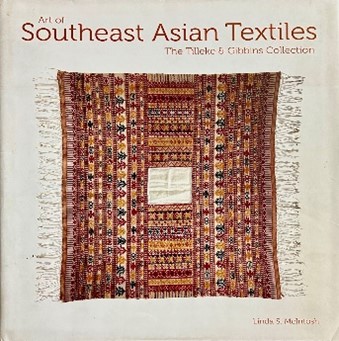
Author: Linda S. McIntosh, 2012. 304 pg. (English)
Publisher: Serindia Publications, Bangkok
The Tilleke and Gibbins Collection, owned by a Bangkok law firm since 1987, features museum-quality textiles from Southeast Asia. It highlights hand-woven and hand-adorned fabrics created by ethnic groups in Thailand and neighbouring countries such as Laos, Cambodia, Vietnam, Myanmar, and Malaysia. The socio-political and economic connections among these cultures facilitated the exchange of textiles. This publication showcases 200 pieces from the collection.
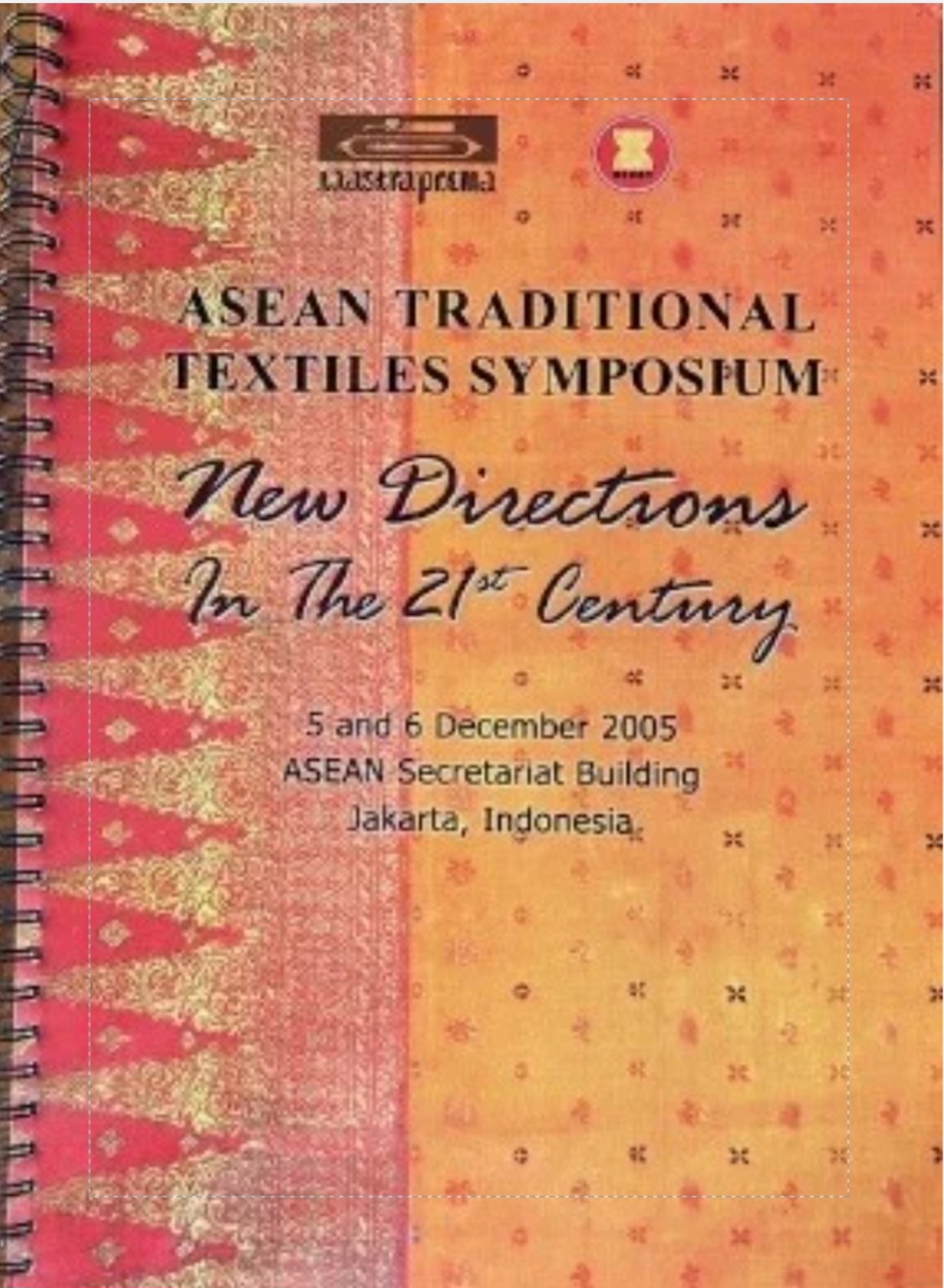
Author: Unknown, 2005
Publisher: Himpunan Wastraprema, Jakarta
Papers included in the Proceedings: Siti Norkhalbi Haji Wahsalfelah (Brunei). ‘Inventions of Traditions’: Reconstruction of National identity through Traditional Textiles in Brunei Darussalam. Michael C. Howard (Canada). Resist Dyed Textiles in Vietnam: Preserving an important Cultural Heritage. Keiko Kusakabe (Japan). Tablet Weaving from Mamasa, South Sulawesi. The only tablet-weaving tradition remaining in Indonesia. Sylvia Lu (United Kingdom). Woven with 100 shuttles: Luntaya Acheik. Yusuf Affendi & Kahfiati Kahdar (Indonesia). New Traditions in Indonesian Textiles. Iwan Tirta. (Indonesia). Batik as a Cultural Icon for Indonesia. Didi Haryono (Indonesia). The Role of Batik in Wayang Performances. Norma Respicio (Philippines). Highlighting the Strengths and Recouping the Slides: Actions to be done for Philippines Textile Traditions. I Made Rai Artha (Indonesia). The Indonesian Indigineous Weavers’ Festival. Josephine Komara (Indonesia). Batik Indonesia: Challenges, Opportunities, and Creativity. Biranul Anas. (Indonesia). Papanggangu, Pasola and Palai Ngandi: Local Lore and External Influeces on the Hinggi of East Sumba. Kim Jane Saunders (United Kingdom/Singapore). Preserving the Past and Sustaining the Textile Traditions of Southeast Asia. The Importance of Education in Promoting awareness, understanding, and appreciation of Contemporary ASEAN Txtiles. Nelwan Anwar (Indonesia), Ritual Fibers as a new Concept in Contemporary Design. (Abstract) Onchuma Yuthavong (Thailand). All for the Love of Textiles. (Abstract).
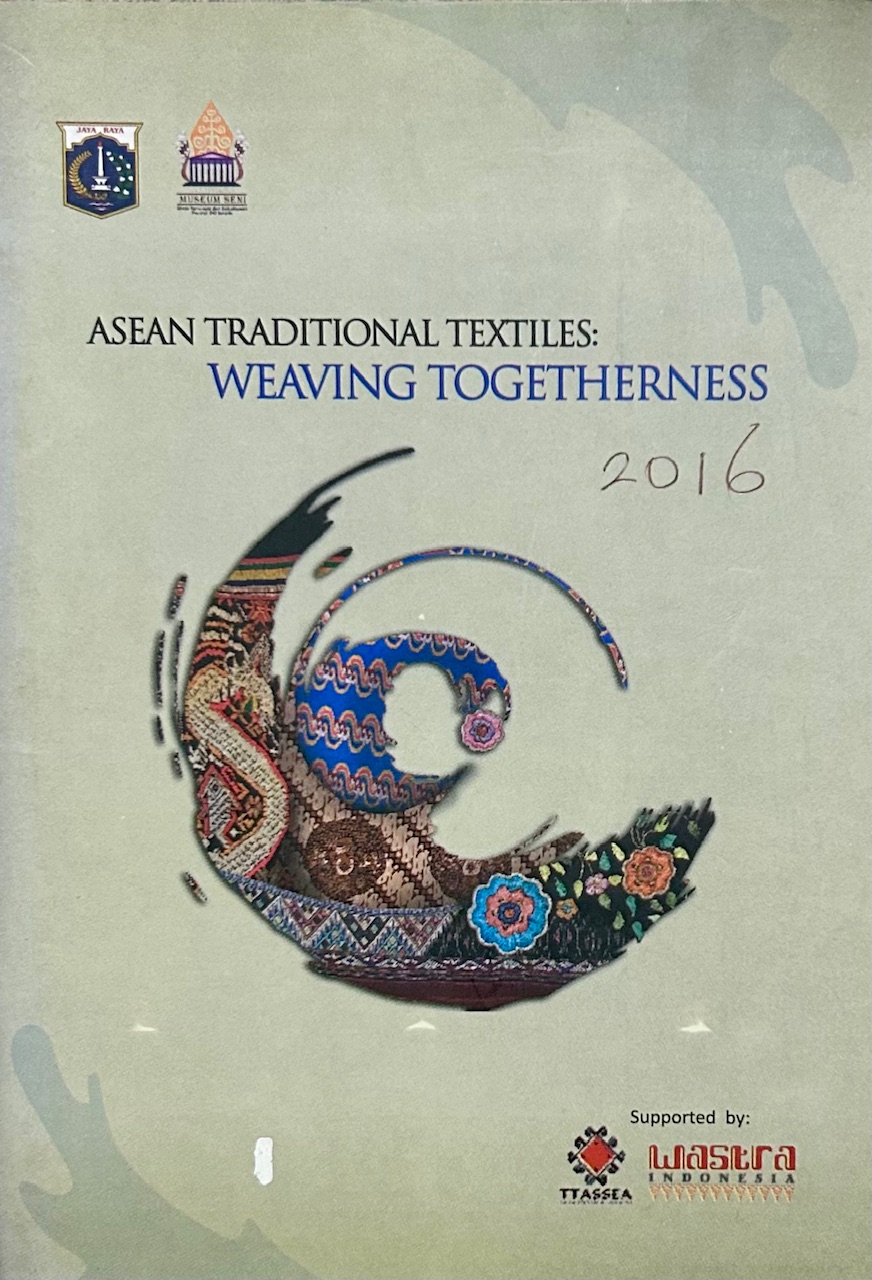
Author: Judi Achjadi, Benny Gratha, 2016. 27pg. (English)
Publisher: Jakarta Textile Museum, TTASSEA, and Wastra Indonesia.
The catalog provides a comprehensive overview of ASEAN traditional textiles, highlighting both the similarities and differences among the ten nations united in ASEAN.
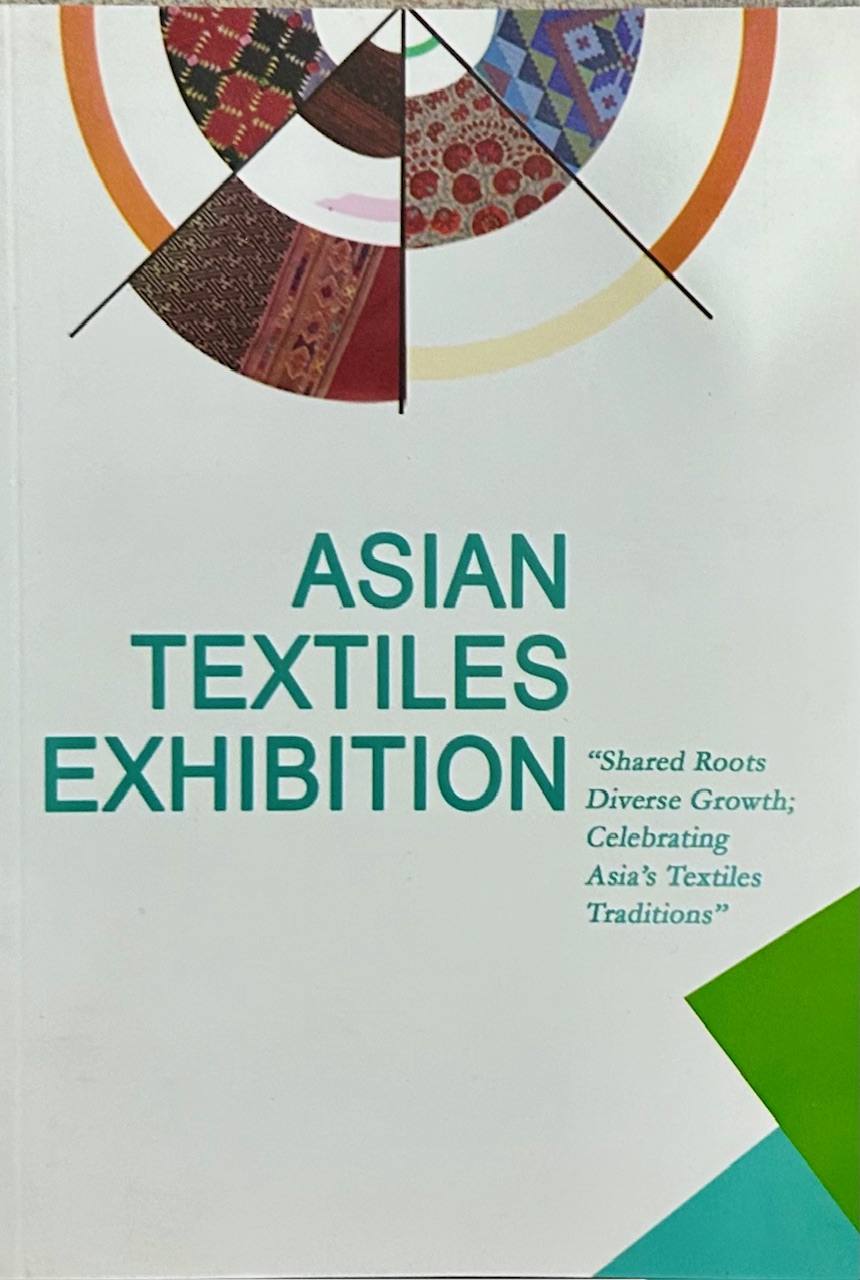
Author: Judi Achjadi, Benny Gratha, 2018. 58pg. (English)
Publisher: Musium Seni, Wastra Indonesia & Toraja Melo, Jakarta
The exhibition and catalogue were expertly produced for the ASIAN Games 2018 in Indonesia. The catalog clearly highlights a range of essential Asian embellishing and weaving techniques, such as Batik, Tie-Dye, Shibori, Ikat, and Embroidery, with striking images of representative textiles from various countries.
Author: GKBRAA Paku Alam, 2024, 99pg, (Indonesian, English, Javanese). Hardcover in blue sleeve.
Publisher: Puro Pakualaman & Bank BPD, DI Yogyakarta
The term Astabrata denotes a set of eight cardinal principles of leadership, deeply rooted in ancient Javanese and Hindu philosophical traditions. This doctrine articulates the archetypal qualities expected of an ideal leader, each modeled upon the attributes of eight deities within the Hindu pantheon. The Pakualaman Manuscript-Batiks draw inspiration from the resplendent illuminations preserved in the manuscripts housed at the Puro Pakualaman palace library. Each of these eight batiks is consecrated with the name of a deity and adorned with symbolic motifs that faithfully reflect the representations found in the original manuscripts. The sequence begins with Indra Widagda, followed by Yama Linapsuh, Surya Mulyarja, Candra Kinasih, Bayu Kristala, Wishnu Mamuja, Brama Sembada, Baruna Wicakswa, and culminates in Astabrata Jangkep (complete Astabratha teachings).
Page 6 of 108