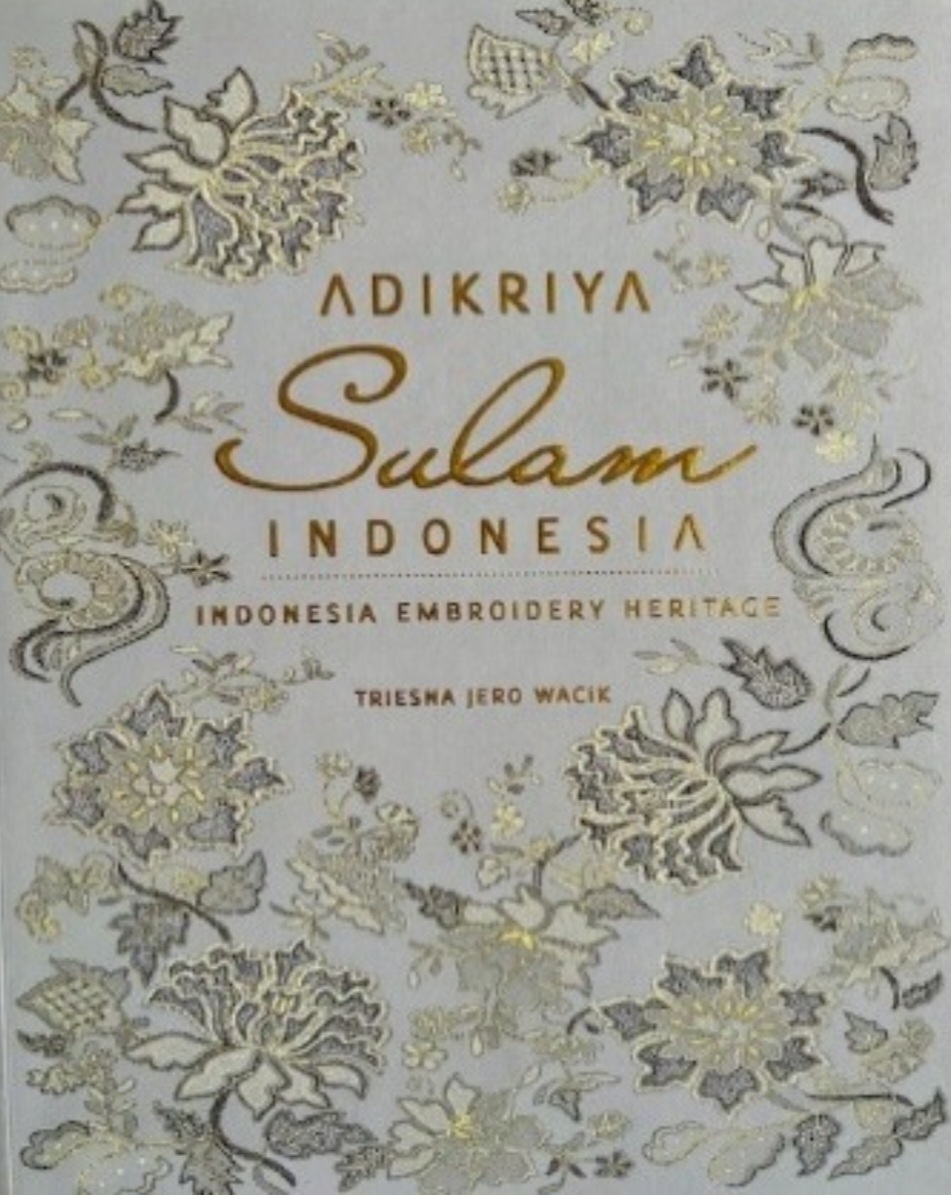
Author: Triesna Jero Wacik, 2012. 325pgs. (English & Indonesian). Softcover.
Publisher: Yayasan Sulam Indonesia, Jakarta
"Sulam Indonesia" is a scholarly volume dedicated to the rich tradition of embroidery across the Indonesian Archipelago. The works featured within its pages encompass both hand-crafted and machine-produced pieces, reflecting the diverse techniques employed by artisans. The book systematically documents and analyzes the distinctive forms of embroidery practiced throughout the islands, including those originating from Sumatra, Kalimantan, Java, Sulawesi, Bali, East Nusa Tenggara, and Papua. By presenting this wide spectrum of regional styles, the text not only highlights the aesthetic intricacies of Indonesian embroidery but also underscores its cultural significance as a living heritage deeply embedded in local identities and artistic expression.
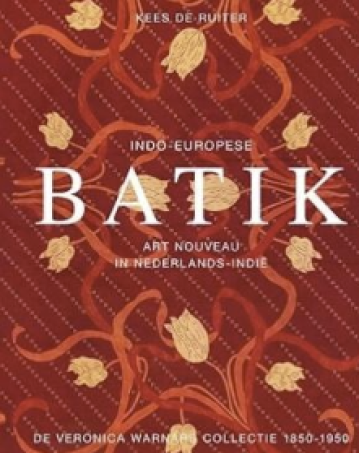
Author: Kees de Ruiter. 2023. 328 pg. (in Dutch).
Publisher: LM Publisher, Volendam, Nederland.
Kees de Ruiter dedicates the book to his grandmother, Veronica Warners who collected batiks while living in the Indies. Many of the Indo-European batiks in the collection are influenced by Art Nouveau, an art style prominent around the turn of the century. A selection of approximately 150 cloths is depicted in large format, in which the motifs, patterns, and symbolism of the sarongs are extensively explained.
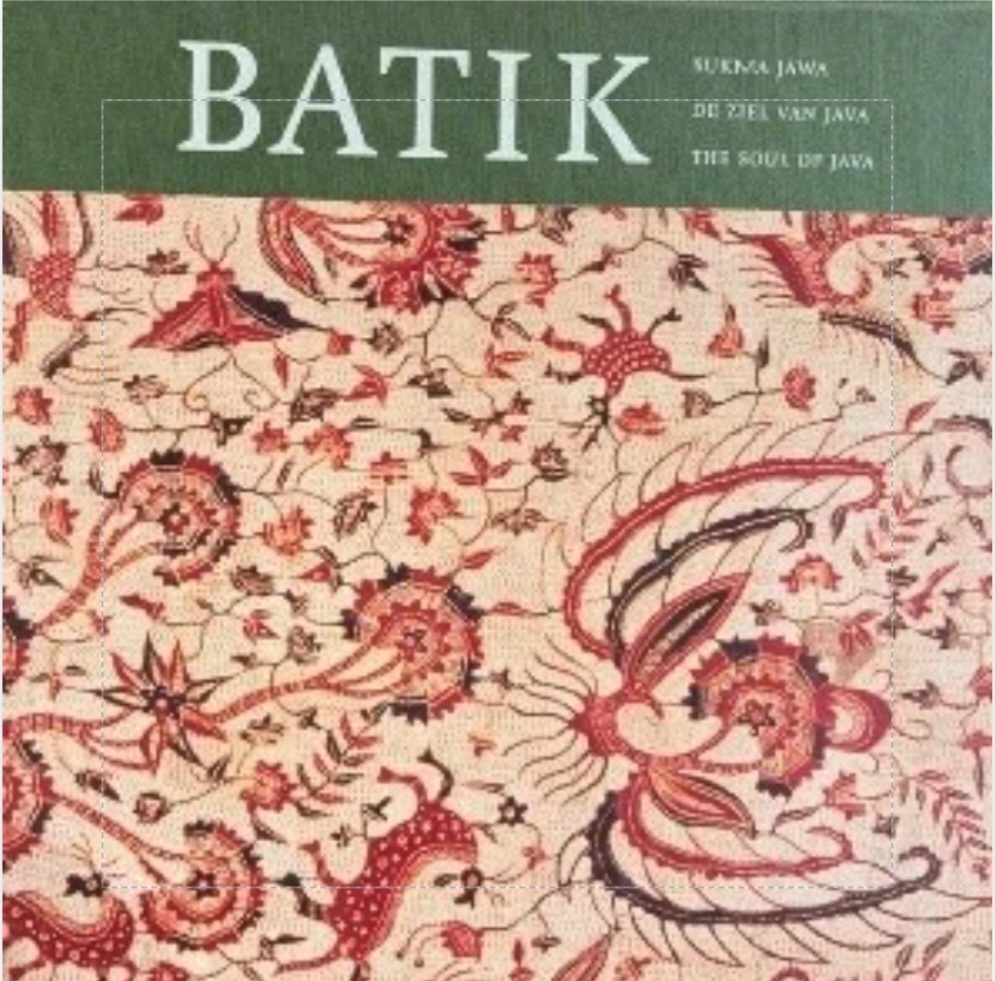
Author: Fred W. Van Oss, 1996, 192pgs. (Indonesian, Dutch and English), Hardcover
Publisher: Nederlands Textiel Museum, Tilburg, Netherlands
The book was published in conjunction with an exhibition of the same title, held at the Textiel Museum in Tilburg, the Netherlands, from June 1 to September 1, 1996, and subsequently presented in Jakarta later that month. This volume opens with a comprehensive account of the historical development of batik, followed by an exploration of its production techniques and regional variations. The text highlights the distinctive practices across numerous cultural centers, including Solo, Yogyakarta, Pekalongan, Kedungwuni, Tegal, Cirebon, Trusmi, Indramayu, Garut, Tasikmalaya, Ciamis, Banyumas, Purwokerto, Demak, Kudus, Juwana, Rembang, Lasem, Tuban, Kerek, Pacitan, Ponorogo, Tulungagung, Blitar, Kediri, Sidoarjo, Gresik, and Madura. Each locality is represented by a masterwork of batik, exemplifying the artistic heritage and regional identity embedded within this textile tradition.
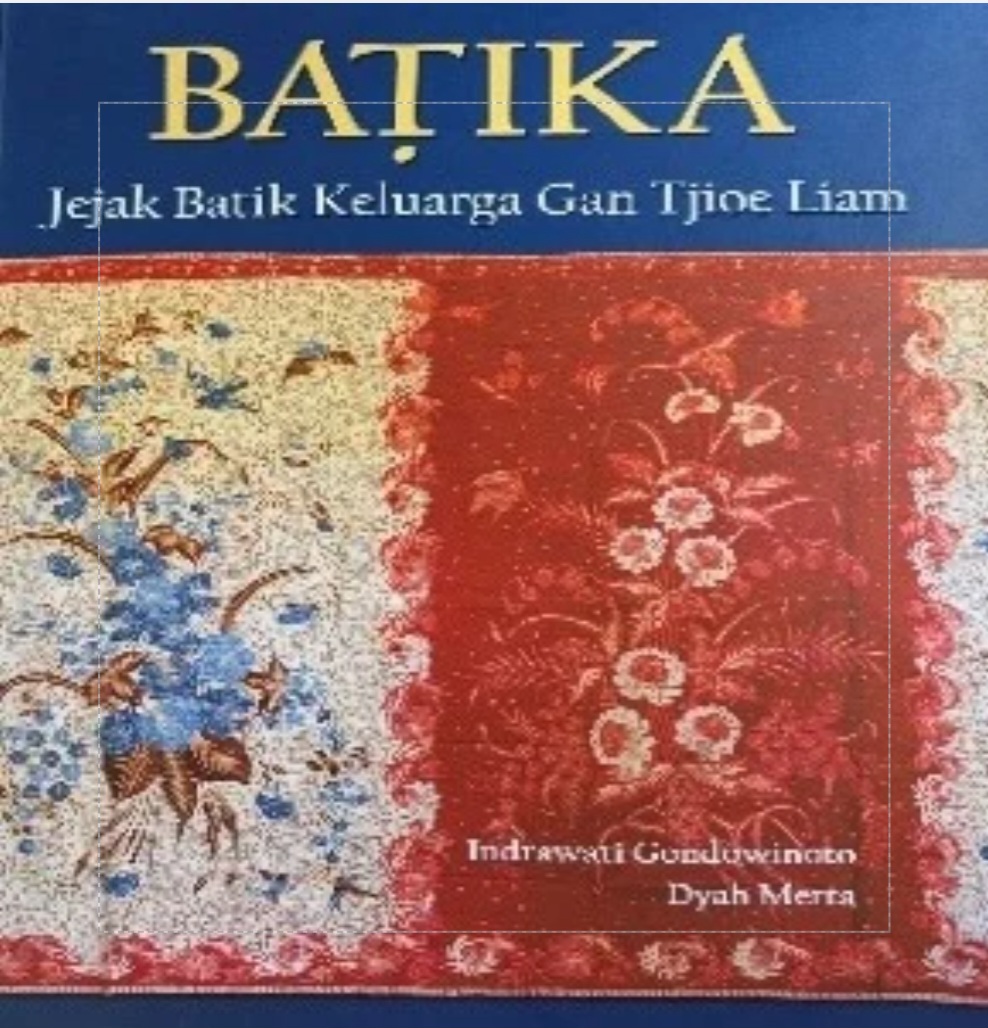
Author: Indriwati Gondowinoto & Dyah Merta, Edisi ke 3, 2026. 153pgs. (Indonesian). Hardcover
Publisher: Global Pustaka Utama, Yogyakarta
The author is a fourth-generation descendant of the Gan Sam Gie lineage, a family historically renowned for its highly successful batik atelier in Pekalongan. Following the passing of the third generation, however, the enterprise experienced a marked decline in production and was ultimately discontinued. This volume is composed in commemoration of the Gan ancestors, who inaugurated the batik enterprise in 1870. Although Indriwaty is not a batik artisan herself, she undertook the preservation of residual tools and paraphernalia salvaged from her ancestral home, including original design sketches created by her father, Gan Tjiang Liem. Her research extended internationally, encompassing visits to prominent institutions such as the Los Angeles County Museum of Art (LACMA) in the United States and the Wereldmuseum of World Cultures in the Netherlands, as well as consultations with private collectors in Indonesia, all in pursuit of her family’s batik legacy. This book holds particular significance as it illuminates Peranakan batik as a medium of cultural syncretism, representing the acculturation of Javanese and Chinese traditions. Indriwaty underscores the enduring truth inscribed on one of her father’s batiks: “Without ancestors, we do not exist.” Thus, the work functions not only as a biographical chronicle of the Gan family but also as a tribute to batik as a tangible manifestation of intercultural fusion within Indonesia.
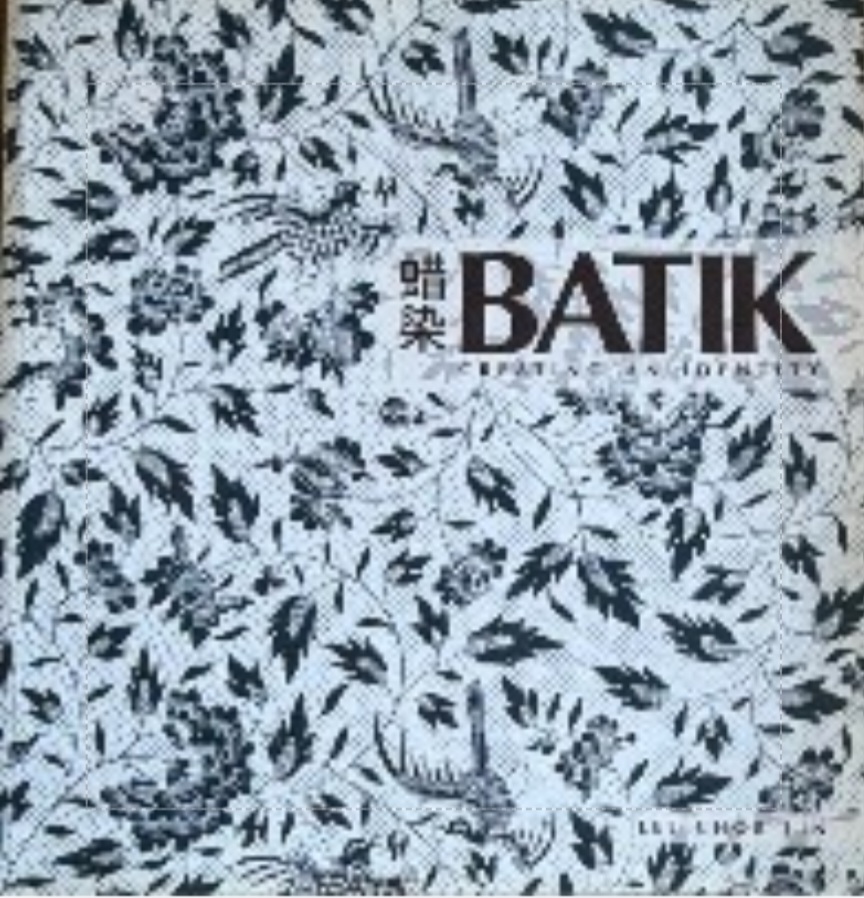
Author: Lee Chor Lin, 2007. 144pgs. (English). Softcover
Publisher: The National Museum of Singapore & Editions Didier Millet
This volume conceptualizes batik not merely as a textile, but as a semiotic medium that embodies cultural identity, philosophical outlook, and socio-historical continuity. Within the Javanese tradition, batik functions as a visual articulation of cosmological principles and ethical values, encoding philosophical orientations toward life through its motifs, colors, and symbolic structures. Simultaneously, the text situates batik within the evolving modern Indonesian and Singaporean social context, thereby highlighting its adaptive role in transnational cultural exchanges and contemporary identity formation. The author provides a systematic overview of stylistic variations and popular batik forms prevalent during specific historical periods, thereby offering insight into the dynamic interplay between tradition and innovation. Furthermore, the book foregrounds the contributions of individual batik artisans, emphasizing both the technical sophistication and creative ingenuity inherent in their craft.
Page 8 of 108