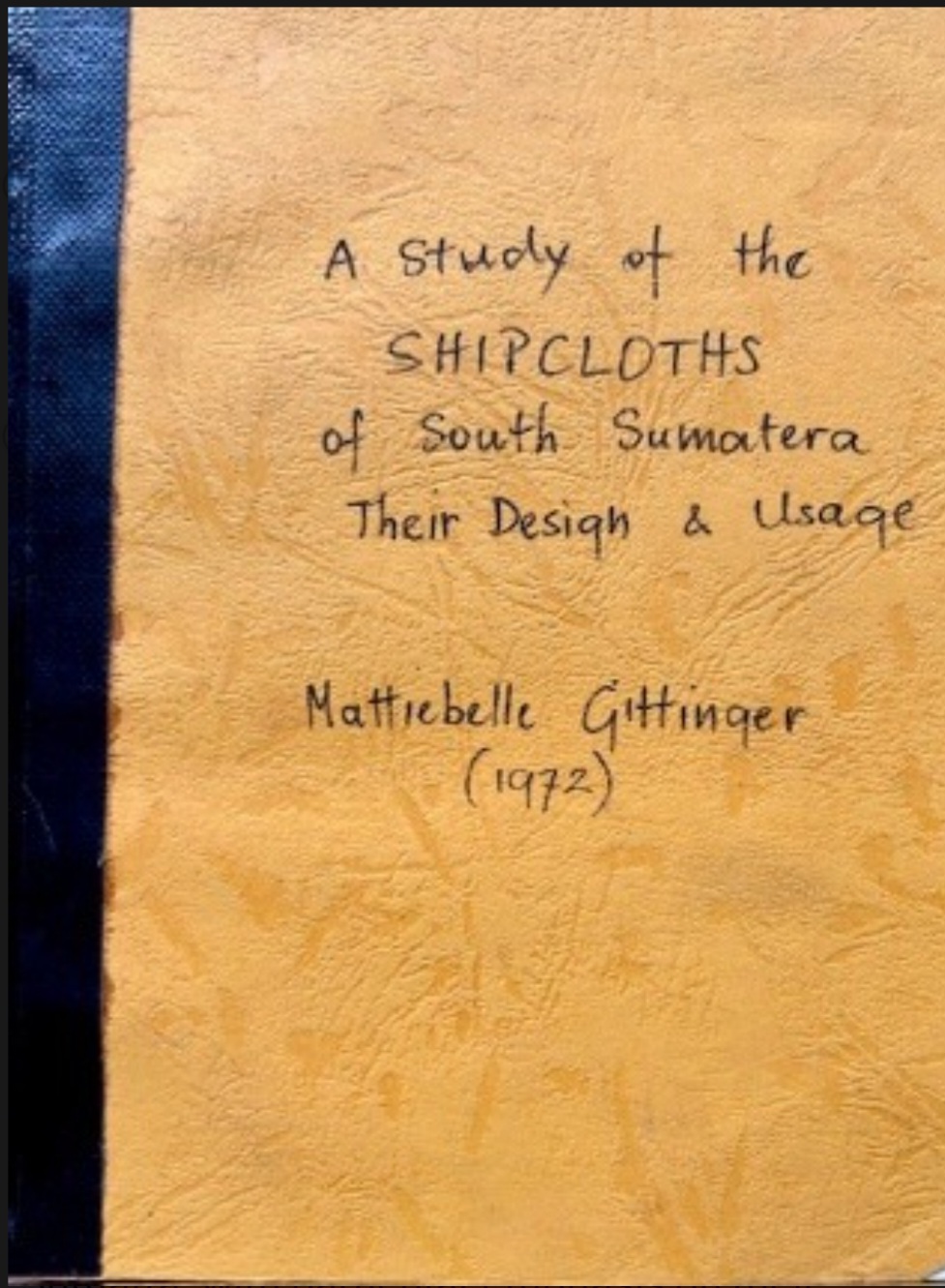
Author: Mattiebelle Gittinger, 1972, 238pg. (English), (photocopied version)
Publisher: Mattiebelle Gittinger, Dissertation
This document constitutes a photocopied edition of Mattiebelle Gittinger’s doctoral dissertation, submitted to the Faculty of Philosophy at Columbia University in 1972. Building upon the foundational research of her predecessors, Gittinger undertook a comprehensive study of the shipcloths of South Sumatra, with particular emphasis on their design motifs and ritual functions. Her analysis situates shipcloths within their ceremonial contexts, elucidating their symbolic roles in rites of passage and transitional rituals. The dissertation further examines the materials and weaving techniques employed, offering a systematic classification of designs and compositional structures, alongside a rigorous exploration of design analysis and iconographic interpretation.
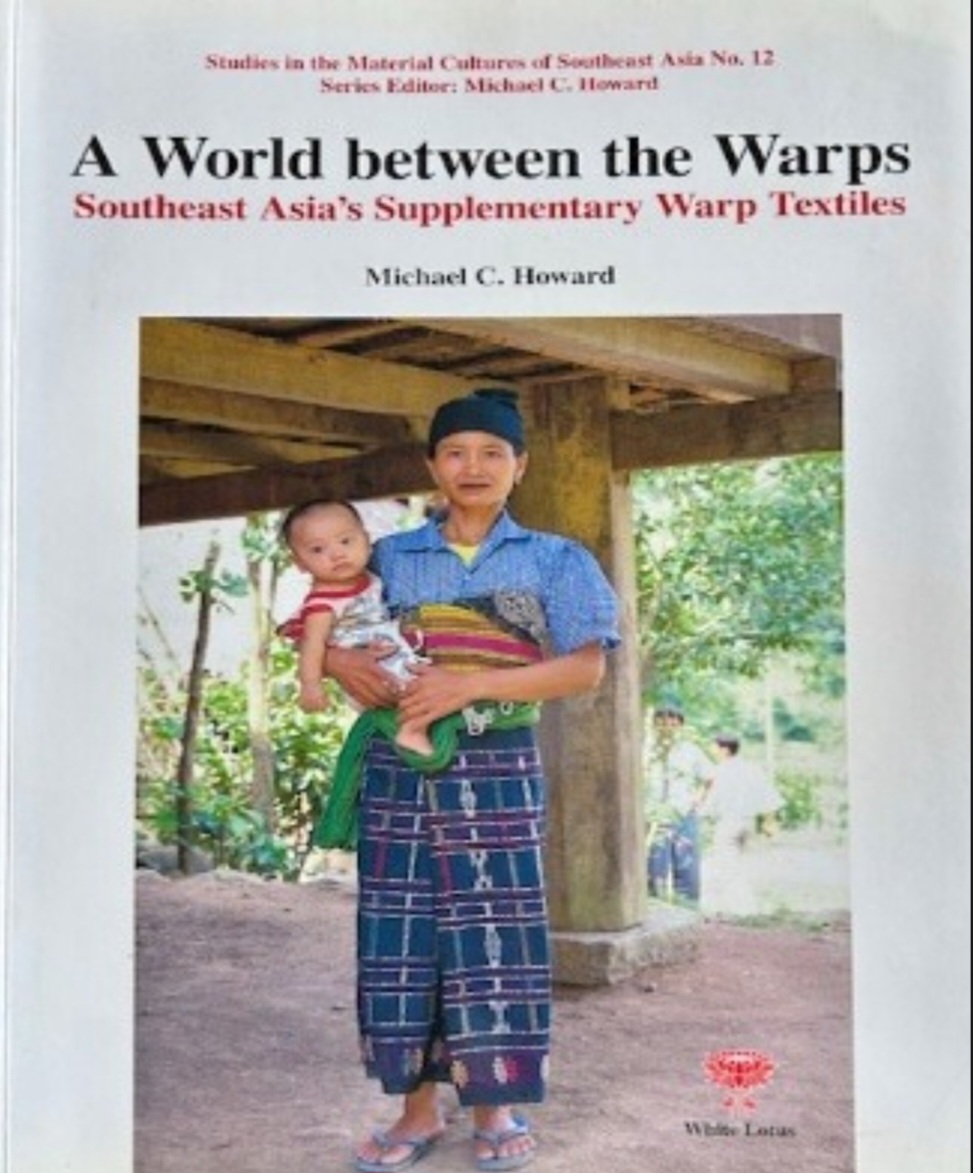
Author: Michael C. Howard, editor. 2008. 206pgs. English. Softcover. Studies in the Material Cultures of Southeast Asia Series no.12
Publisher: White Lotus, Bangkok
This volume constitutes the first comprehensive investigation of Southeast Asia’s warp and warp-float patterned textiles. Despite their historical significance, such textiles have received comparatively little scholarly attention, even though they represent a vital component of the region’s cultural and artistic legacy. They embody a shared heritage that extends back to the Bronze Age, linking diverse communities to the Dongson culture of Northern Vietnam and southeastern China. The book examines the intricate weaving techniques employed in their production and offers a systematic survey of supplementary warp and warp-float patterned textiles across Southeast Asia.
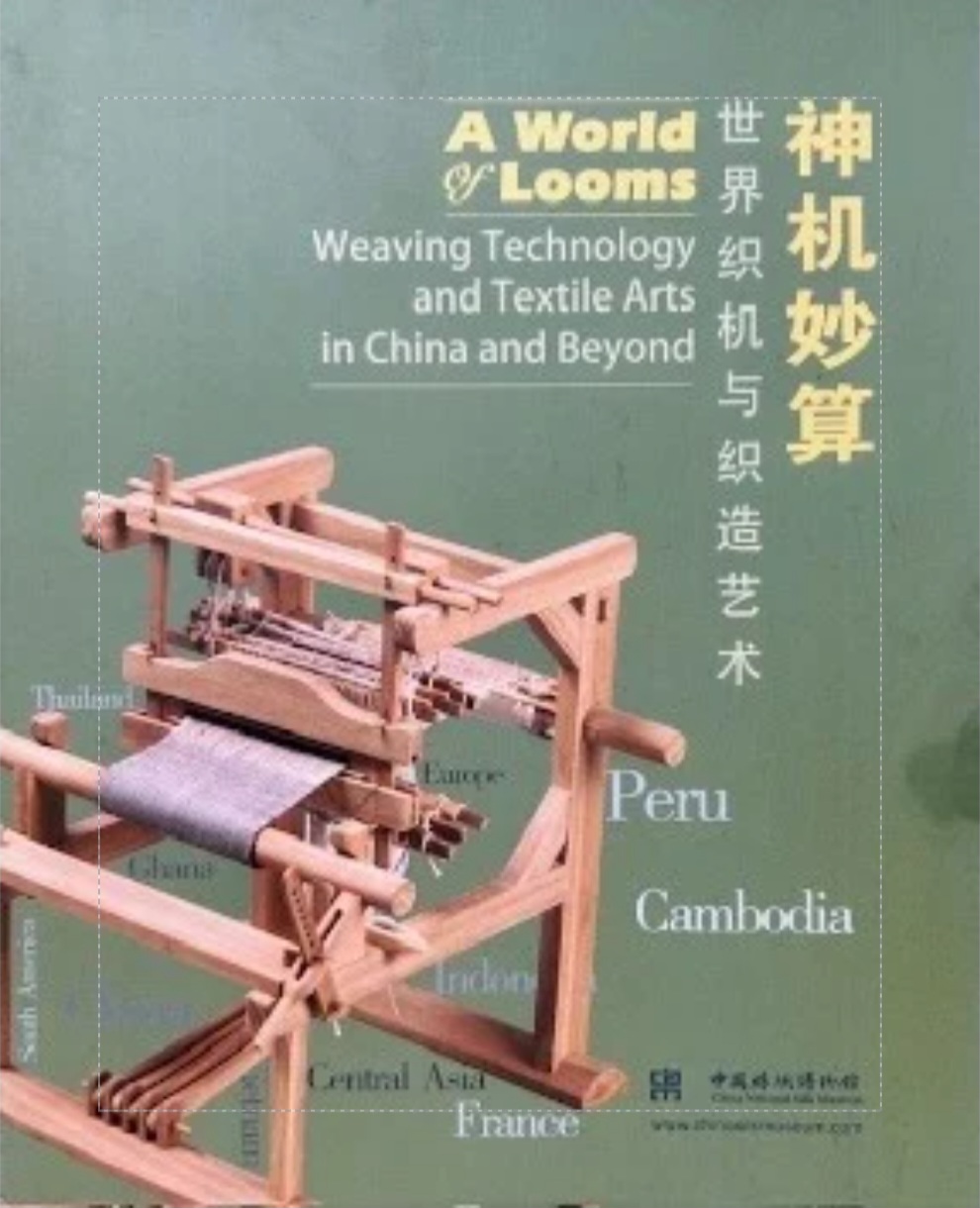
Author: Unknown, 2015, 85pg. (English & Chinese). Softcover
Publisher: The China National Silk Museum, Hangzhao
The World of Looms exhibition was organized by the China National Silk Museum in Hangzhao with the support of many global scholars and research institutions. It is the first exhibition in China that presents the rich cultural heritage of looms and weaving technologies from around the world. The display features more than 50 looms, and many with their associated textiles, organized by their geographical locations. These objects celebrate the marches of textile innovations through the lens of global textile traditions. It highlights the vital role of cultural exchanges along the Silk Road, for the evolution of loom types in China and its bordering regions. Furthermore it illustrates the adaption of looms and weaving practices worldwide in paving the rapid change of traditional custom and to meeting new demands. It emphasizes the need to preserve weaving knowledge for it is quintessential to all cultures.
Author: Catalog, 2016. 72 pg. (Chinese and English)
Publisher: China National Silk Museum, Hangzhou
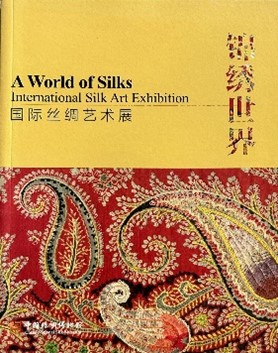
A catalog that accompanies the exhibition bearing the same name, displays a variety of antique silk textiles from various continents.
Author: Holly S. Smith, 1997. 75pgs. (English) Images of Asia Series
Publisher: Oxford University Press, Kuala Lumpur
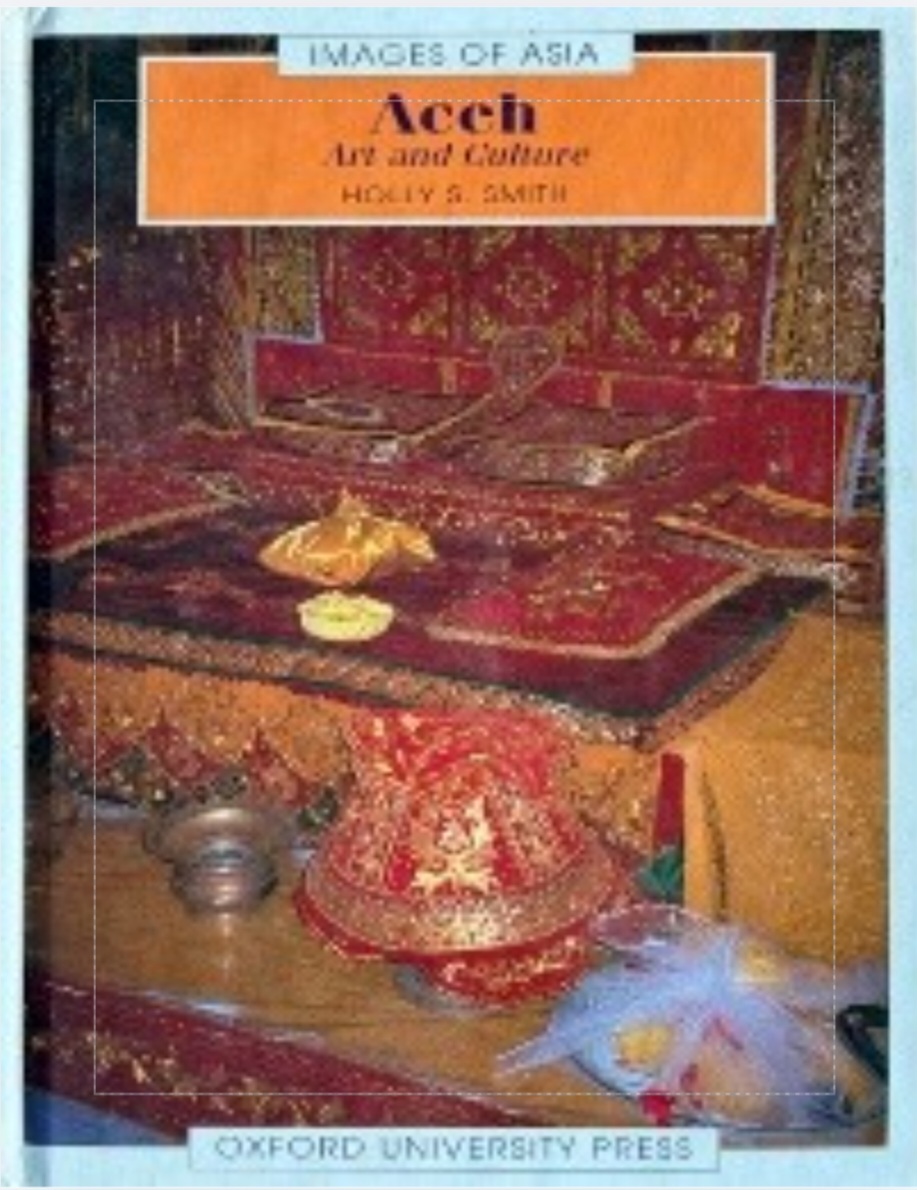
The author characterizes Aceh as the region that most fully embodies the Indonesian national motto Bhinneka Tunggal Ika — “Unity in Diversity.” The historical roots of Aceh extend across Southeast Asia to India, China, and the Middle East, introducing a wide array of cultural influences into the local “winnowing basket.” These diverse elements, derived from trade, military encounters, and religious missions, have been gradually assimilated and refined, shaping the artistic and cultural traditions of the indigenous population. The Acehnese are distinguished by a proud and independent spirit, cultivated through their maritime heritage, mercantile orientation, history of warfare, and deep commitment to Islam. This book examines the historical trajectory of Aceh, its multifaceted cultural heritage, and the artistic modes of expression that define its people.
Page 3 of 108