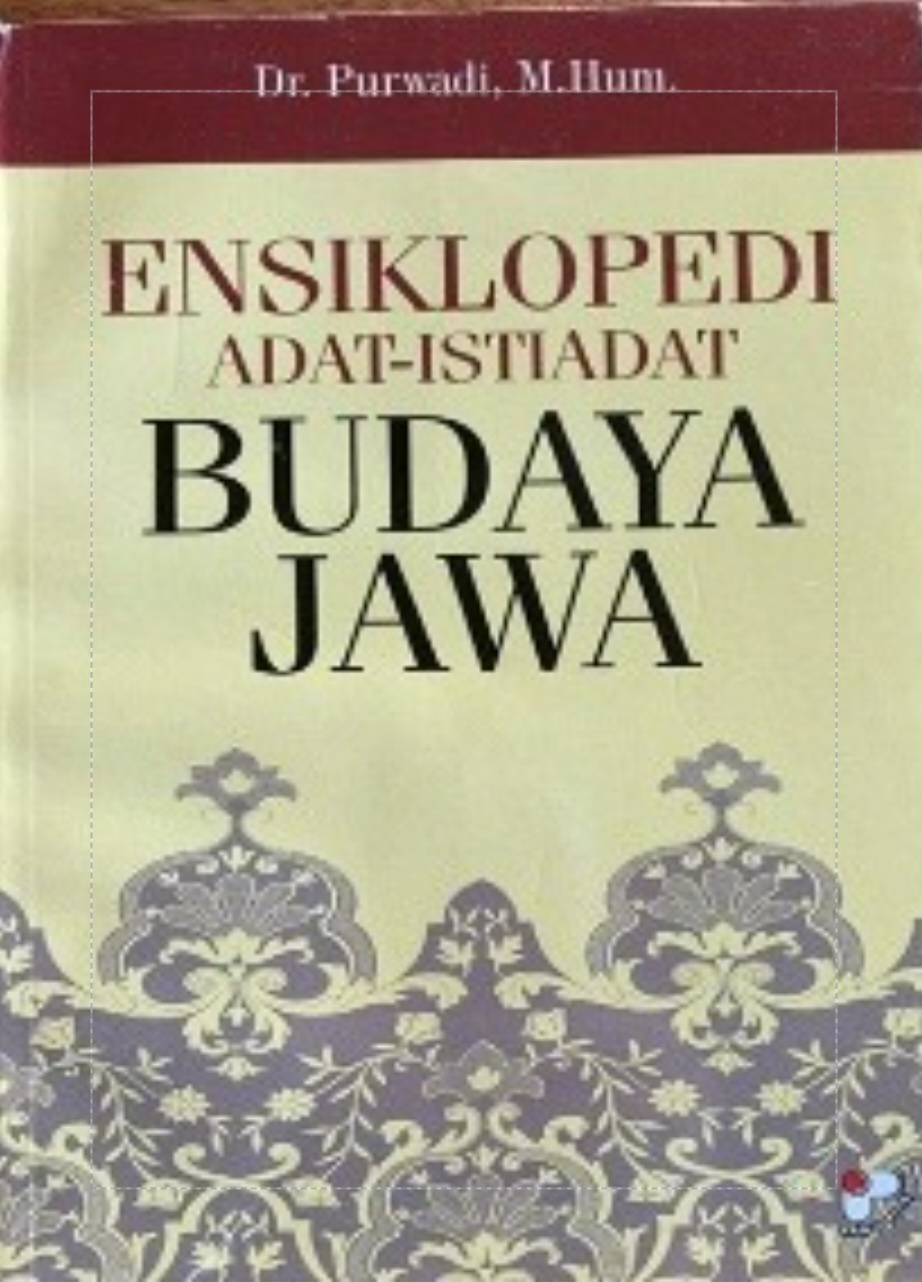
Author: Dr, Purwadi, 2007. 642pgs. (Indonesian). Softcover
Publisher: Panji Pustaka, Yogyakarta
Adat istiadat, or customs and traditions, refers to the unwritten rules, rituals, traditional laws, and cultural practices transmitted across generations within a particular society or community. Among the Javanese people, these customs and traditions are practiced not merely as cultural expressions but as pathways toward achieving spiritual harmony and a peaceful life. Furthermore, Javanese society does not only adhere to traditional norms to preserve social solidarity; it also cultivates collective work ethics such as gotong royong—the spirit of mutual cooperation and communal assistance. These traditions are deeply intertwined with the natural environment, reflecting a worldview in which cultural practices and ecological balance are inseparable. This book provides a comprehensive explanation of how such traditions should be observed and maintained. It is an essential resource for anyone seeking to understand the cultural identity and philosophical foundations of the Javanese people.
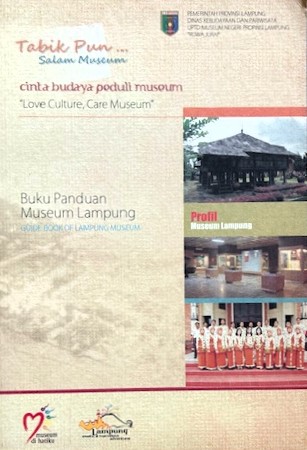
Author: Zuraida, editor, 2012. 67pg. (English & Indonesian)
Publisher: Lampung Museum, Bandar Lampung
This book is an essential resource, offering a thorough overview of the museum's diverse collections and significant historical periods, including Hindu-Buddhist, Islamic, Colonial, ceramics, numismatics, and the Silk Road. On the second floor, visitors will directly engage with the life-cycle ceremonies of the Lampung people and discover a dedicated section showcasing their remarkable weavings.
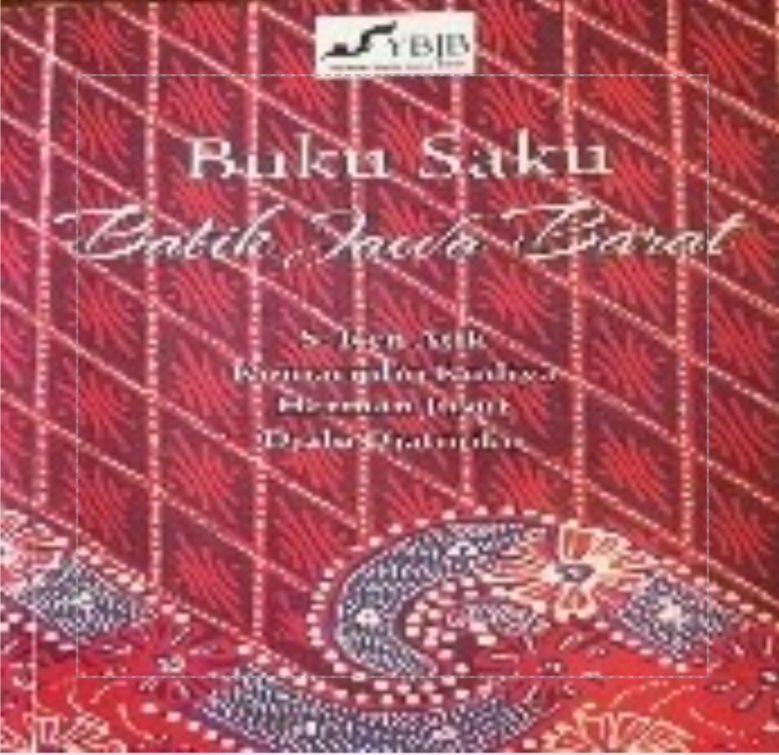
Author: S.Ken Atik, Komarudin Kudiya, Herman Jusuf, Djalu Djatmiko, 2009. 144pgs. (Indonesian). Softcover
Publisher: Yayasan Batik Jawa Barat, Bandung
This pocketbook represents the inaugural publication of the West Java Batik Foundation. It offers a curated visual compendium of batik traditions originating from diverse cultural centers across the region — including Ciamis, Cirebon, Garut, Indramayu, Kuningan, and Tasikmalaya. Each photograph is accompanied by the respective nomenclature of the batik motif, thereby preserving not only the aesthetic qualities of the textile but also its linguistic and cultural heritage. By documenting these distinctive styles, the volume seeks to underscore the richness of West Java’s artisanal legacy and to contribute to the broader discourse on Indonesian textile traditions within both local and global contexts.
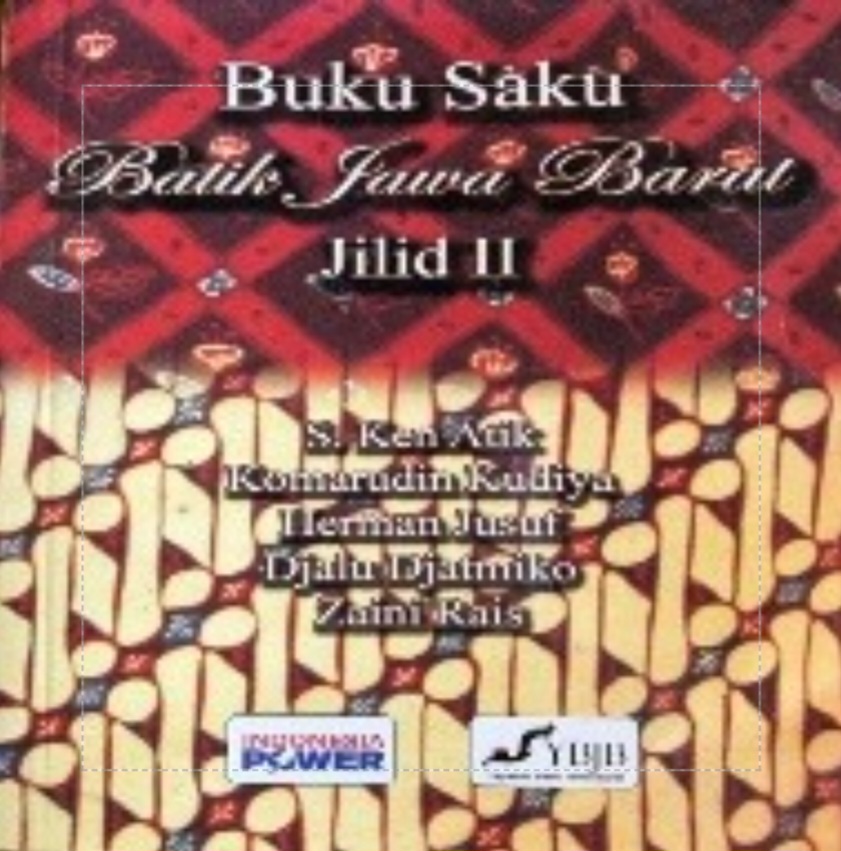
Author: S.Ken Atik, Komarudin Kudiya, Herman Jusuf, Djalu Djatmiko, 2010. 166pgs. (Indonesian). Softcover
Publisher: Yayasan Batik Jawa Barat, Bandung
This pocketbook serves as a companion to the inaugural volume on batiks from West Java, offering a more comprehensive narrative that extends to the batik traditions of Cirebon and its surrounding regions, as well as Indramayu, Majalengka, Kuningan, Sumedang, Ciamis, Tasikmalaya and its environs, Garut, Bandung and its regional variations, Cimahi, and Bogor. In this volume, each batik is accompanied by an explanatory text that elucidates the nomenclature and symbolic motifs, thereby situating the designs within their broader cultural and historical contexts.
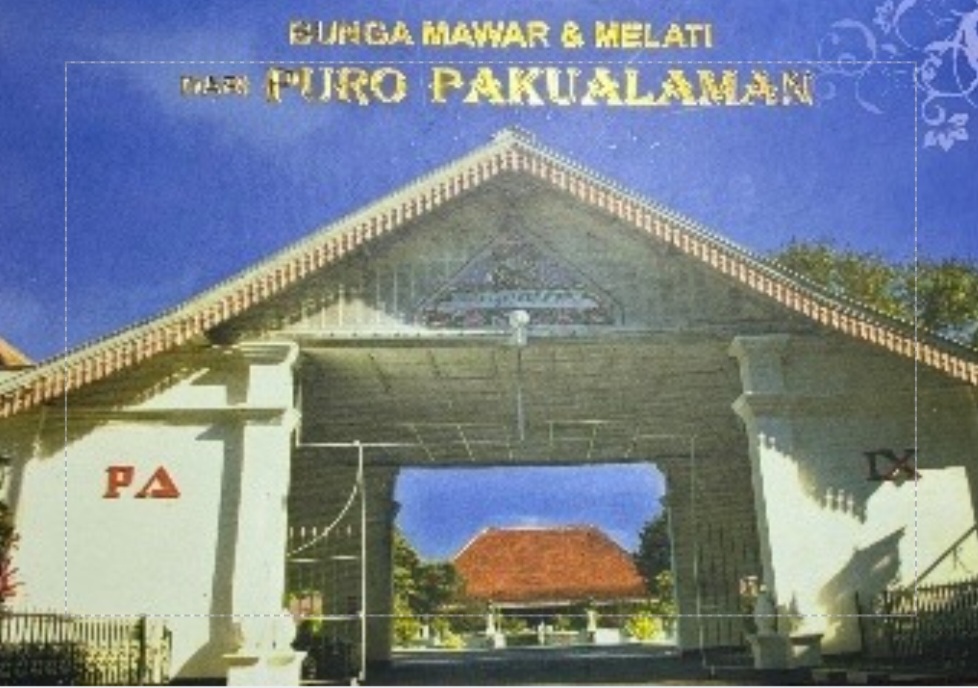
Author: Hajar Pamadhi & B.Widharyanto, 2010. 71pgs. (Indonesian and English). Hardcover
Publisher: Pusta Studi Pendidikan Kearifan Lokal Suwaardi Suryaningrat, Pura Pakualaman & Paguyuban Trah Pakualaman Hudyana, Jakarta
This booklet delineates a series of doctrinal guidelines, teachings, and moral injunctions imparted by Pakualam I to his descendants. Among its symbolic expositions is the interpretation of the rose and jasmine flowers, which hold ritual significance in ceremonies of birth and other pivotal occasions. These precepts, encapsulated within the epistle Tajasalutin preserved in the Puro Pakualaman Library collection, articulate principles of citizenry and communal responsibility. In addition to ritual symbolism, the text encompasses broader philosophical reflections, including ancestral teachings on the values of life, devotion to Indonesia as the homeland, and the transmission of cultural heritage. It further incorporates biographical accounts of successive rulers, from Pakualam I through Pakualam IX, thereby situating the teachings within a dynastic continuum. The booklet also provides meticulous descriptions of the artistic traditions cultivated at Puro Pakualaman. These include the court dances, the distinctive Pakualaman batik, ceremonial regalia such as the grand umbrella, prescribed dress codes, and didactic lessons on leadership. Collectively, these elements underscore the integration of aesthetic expression, moral instruction, and civic devotion within the Pakualaman legacy.
Page 21 of 108