Author: Iwet Ramadhan, 2013. 144pg. (Indonesian)
Publisher: Literati – Bakti Budaya Djarum Foundation, Jakarta
This striking artistic book, measuring 19x13 cm, is crafted by a young author who passionately expresses his profound love for batik. Iwet, a talented and versatile artist, was captivated by batik at the age of two during a spectacular court dancer’s performance in Yogyakarta. He explores the origins of batik and provides essential care instructions while featuring unique samples of hand-waxed, stamped, and printed batik—elements not found in any other publication. This book showcases exceptional craftsmanship and delivers a bold appreciation for readers.
Author: Iwet Ramadhan, 2013. 244pgs. (Indonesian), Softcover
Publisher: Penerbit Literati, Ciputat, Tangerang
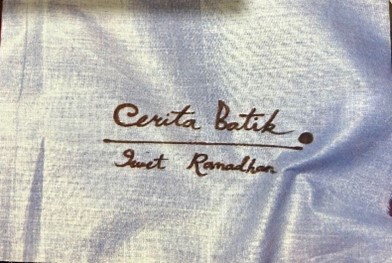
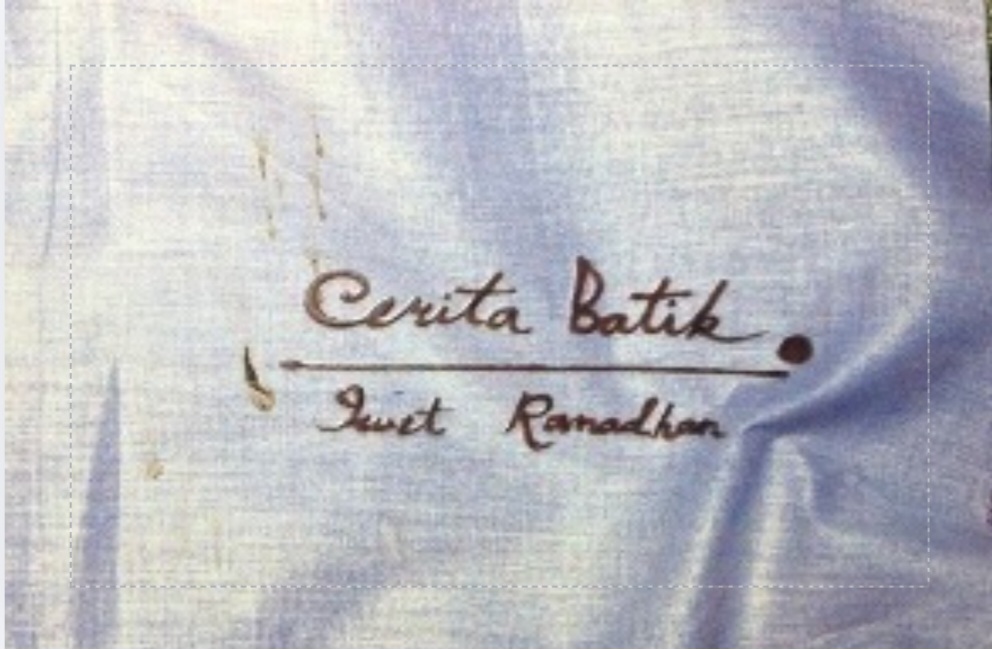
The booklet, measuring 14 × 19 cm, is supported by the Bhakti Budaya Djarum Foundation. It is devoted to the art of batik, yet presented through a distinctly poetic lens that resonates with younger audiences. Its author, Iwet, a radio announcer and poet, employs a medium unconventional for academic discourse, weaving personal memory with cultural reflection. Iwet’s passion for batik is rooted in an intimate recollection from his infancy. Though he cannot recall the precise colors or motifs, he vividly remembers the atmosphere and the distinctive fragrance of waxed cloth worn by Javanese dancers at a wedding ceremony. This sensory memory becomes the foundation of his narrative, where thought and feeling intertwine, articulated with meticulous detail and profound patience. The booklet introduces readers to diverse typologies of batik, accompanied by tangible fabric samples—square pieces of batiked cloth that invite touch, texture, and even the lingering scent of wax. These tactile inclusions transform the reading experience into a multisensory immersion, bridging scholarship and lived experience. The narrative is further enriched by delicate watercolor illustrations, which convey both the tenderness of the cloth and the philosophical depth embedded in this grand tradition of material culture. Through this fusion of text, image, and fabric, Iwet speaks directly to the younger generation, urging them to cherish and safeguard this invaluable heritage. His aspiration is clear: that batik, as a living art form, will endure eternally, embodying both cultural continuity and creative renewal.
Author: Aneke Sumarauw Pangkerego, 2001. 42pgs. (Indonesian) Softcover
Publisher: Gramedia, Jakarta
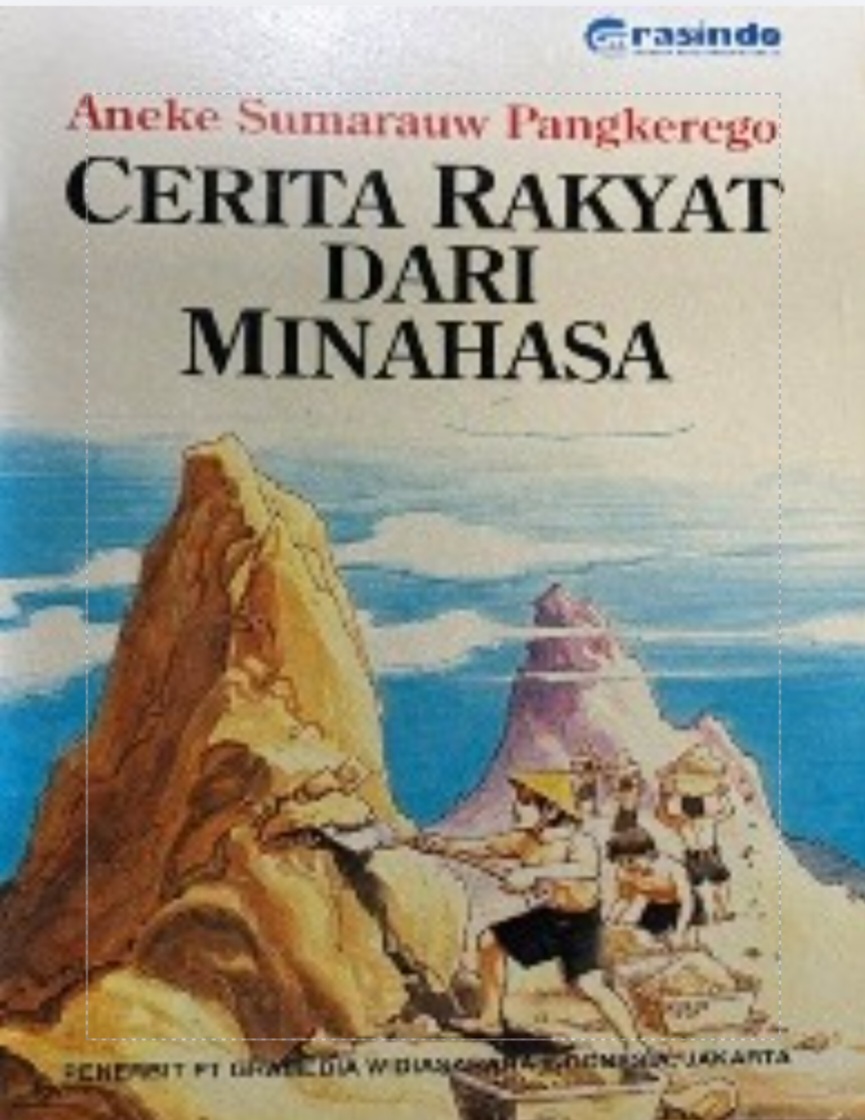
The legends compiled in this booklet constitute an essential corpus of local literature, reflecting the cultural identity and oral traditions of diverse regions across Indonesia. The ten narratives presented here originate from the Minahasa, a prominent cultural area in North Sulawesi. They begin with the foundational tale of Toar and Lumimuut, regarded as the primordial ancestors from whom all Minahasan people trace their lineage. Beyond this origin myth, the collection encompasses stories that explain the symbolic significance of mountains, the attributes of animals, and the etymological roots of village names. Together, these legends not only preserve collective memory but also illuminate the intricate relationship between myth, environment, and community in Minahasan society.
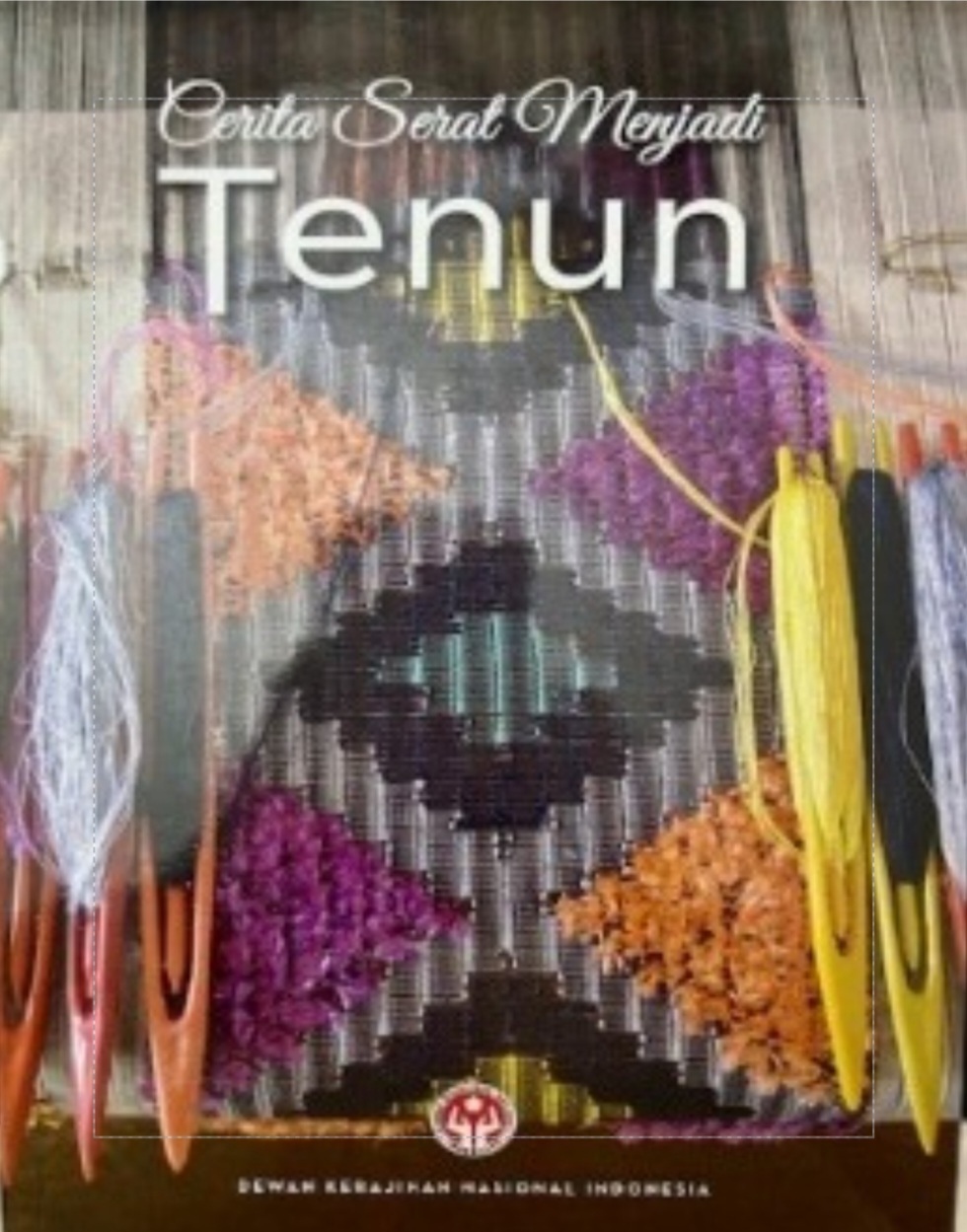
Author: Imam Budiyono & the team of the Textile Technology School of Higher Education in Bandung, 2024, 159pg. (Indonesian), Softcover.
Publisher: DEKRANAS, The National Handicraft Council, Jakarta
This book presents the basic knowledge of weavings. It explains the various types of fibres, which are the basic materials for producing a textile through the steps of obtaining threads or yarn. The next step is the design of the weaving, followed by the weaving plan, the preparation for the weaving process, the weaving process itself, and various Indonesian weaving patterns. This book is a goundbreaking work describing in detail the basic techniques of weaving and the loom. The book is a collaboration of many textile graduates from the Textile Technology School of Higher Learning in Bandung.
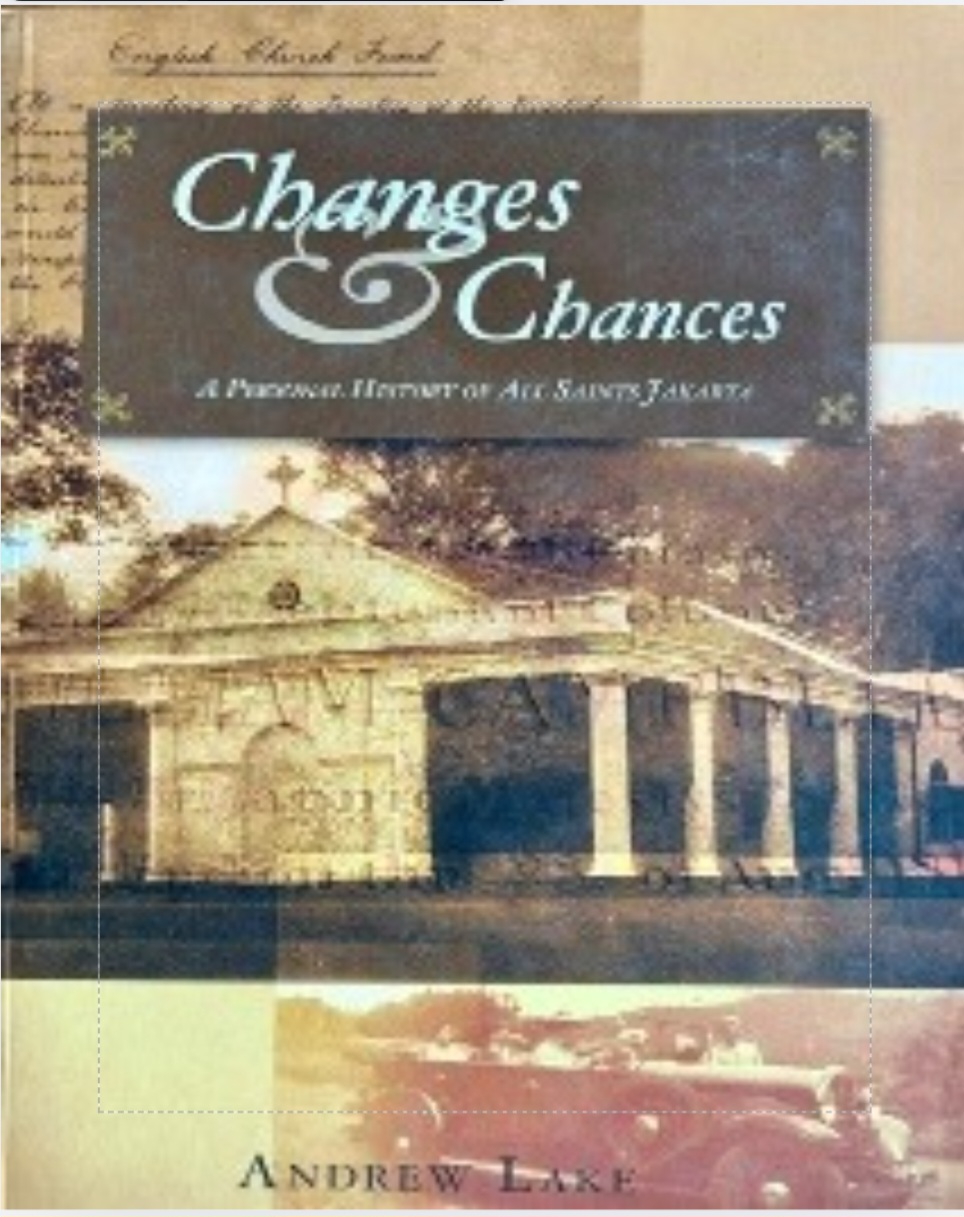
Author: Andrew Lake, 2004. 202pgs. (English). Softcover
Publisher: All Saints Church, Jakarta
This volume, authored by the vicar of All Saints Church in Jakarta—also known as the Anglican Church—constitutes both a personal memoir and a historical chronicle. Written during his eight-year ministry, which coincided with the tumultuous riots of 1998, the text offers a rare insider’s perspective on the intersection of faith, community, and political upheaval in Indonesia’s capital. The work begins with a historical reconstruction of the church’s origins in 1819, situating its foundation within the colonial framework of Sir Stamford Raffles’ administration and the broader cultural landscape of Batavia. The narrative then transitions to critical episodes of violence and crisis, most notably the murders of Eric Constable and an Indonesian night watchman in 1975. These events are not treated as isolated tragedies but as emblematic of the precariousness of religious and communal life in Jakarta. The author’s recollections of navigating the 1998 riots further highlight the church’s role as both sanctuary and symbol of resilience, where spiritual leadership was tested against the backdrop of national instability. From a historical perspective, the book illuminates the continuity of colonial legacies within modern Indonesian society. The Anglican Church, established during the British interlude in Java, became a locus where expatriate and local identities converged, often under duress. The author’s reflections reveal how religious institutions functioned as stabilizing forces, offering moral guidance and communal solidarity during periods of acute social fracture.
Page 23 of 108