Author: Unknown
Publisher: Page One, Singapore
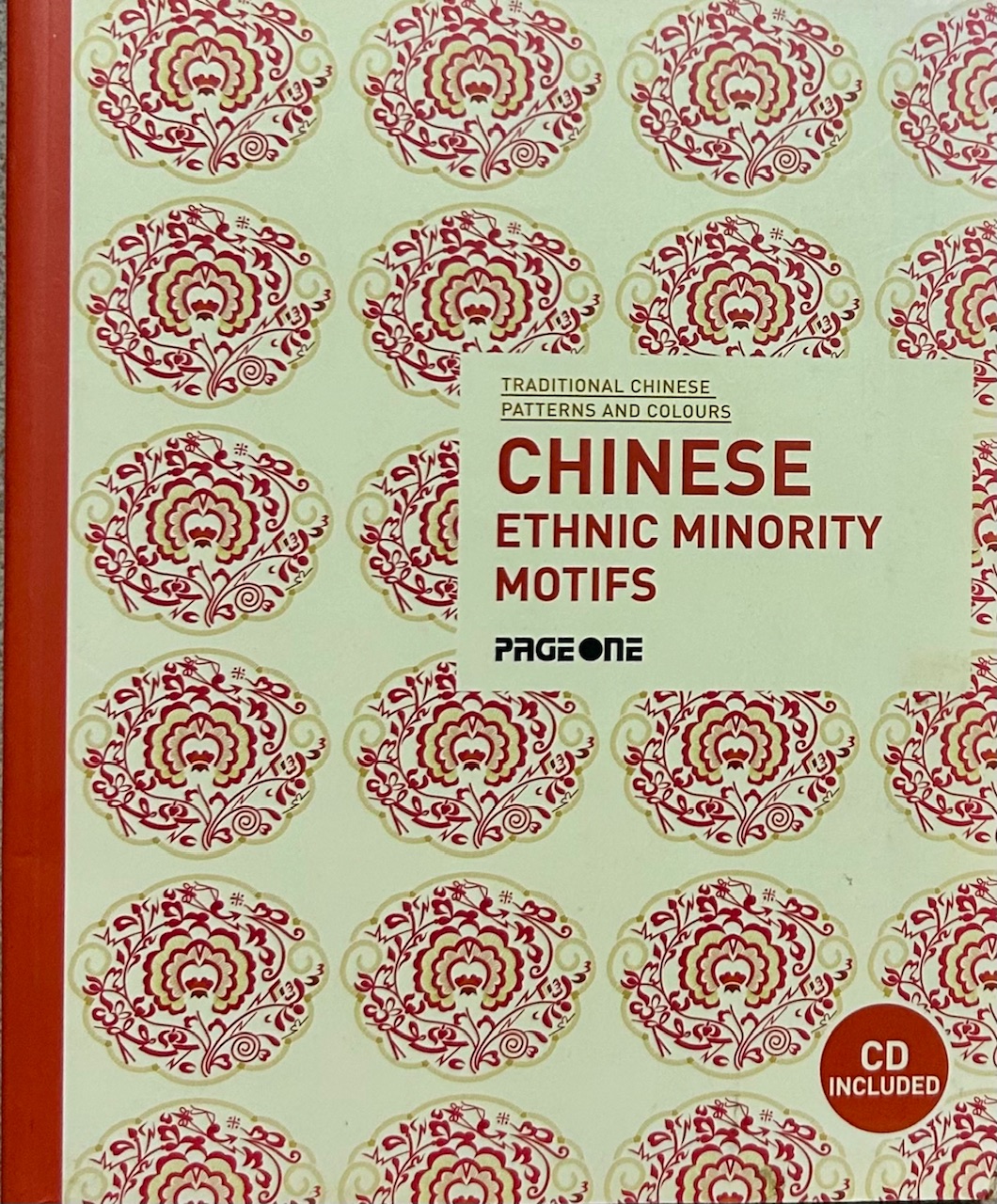
China has a long-standing history of unity among diverse ethnic groups, each showcasing unique lifestyles and cultural expressions through their decorative patterns. This book decisively highlights ten prominent ethnic minority groups: Miao, Yi, Yao, Uighur, Tibetan, Mongolian, Qiang, Tujia, Zhuang, and Dong. It focuses on their distinctive patterns found in clothing, architecture, and carpets, serving as an essential resource for designers across fashion, textiles, graphics, and interior design.
Author: Liu Jilin, 1988, 112pg. (English & Chinese) Softcover
Publisher: Morning Glory Publishers, Beijing, China
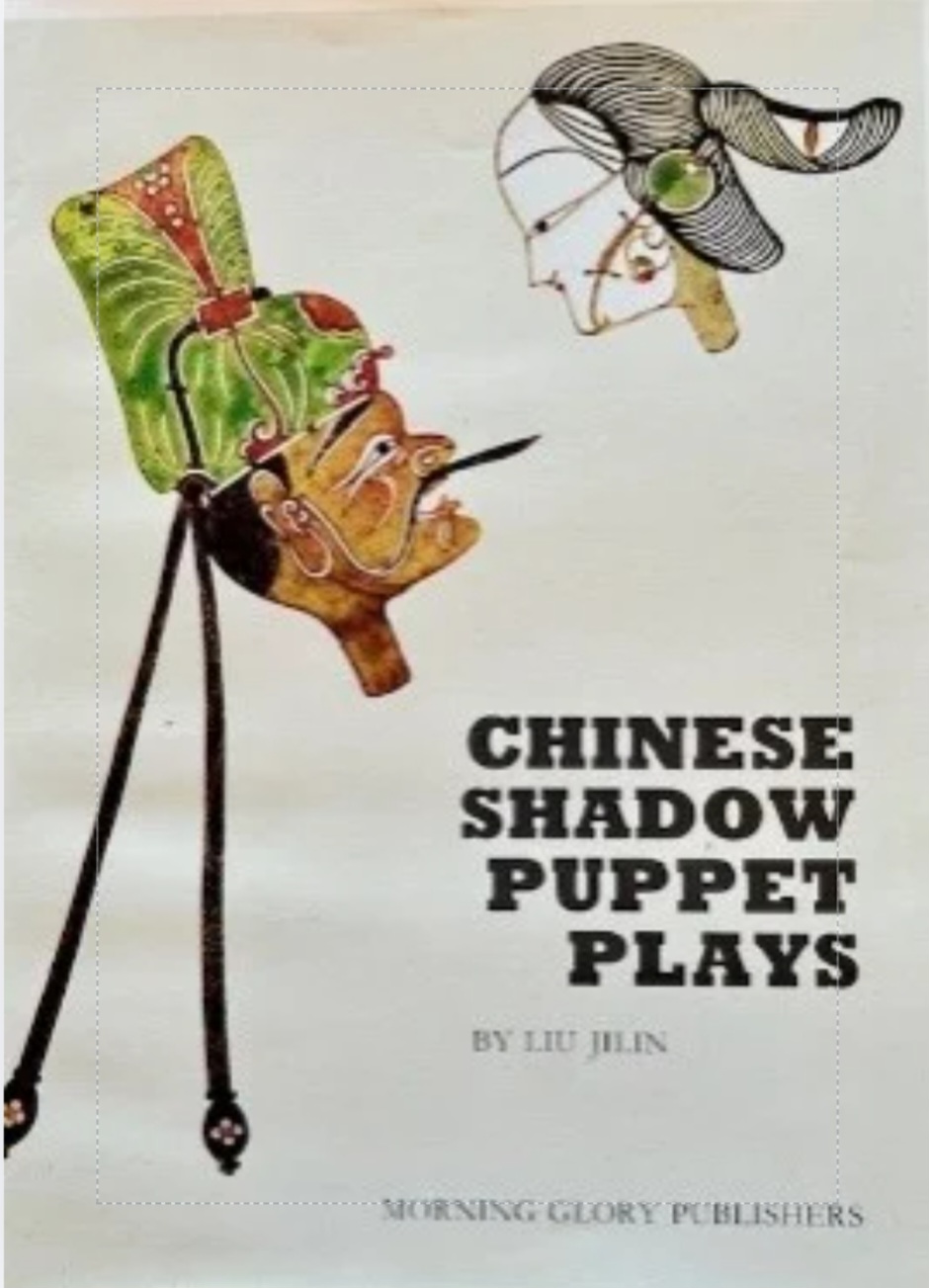
Shadow puppetry represents an ancient and deeply rooted rural art form in China, embodying both aesthetic expression and cultural heritage. Yet this tradition is not confined to China alone; variations of shadow puppet theatre are widely encountered across Southeast Asia, each region adapting the practice under distinct names and stylistic conventions. The text under discussion traces the historical trajectory of shadow puppetry, elucidating the processes by which these intricate figures are crafted and animated. Performances are typically grounded in mythological narratives or local folklore, ensuring that the stories resonate with audiences through their familiarity and communal significance.
Author: -
Publisher: Southeast Asian Pictures, Singaspore
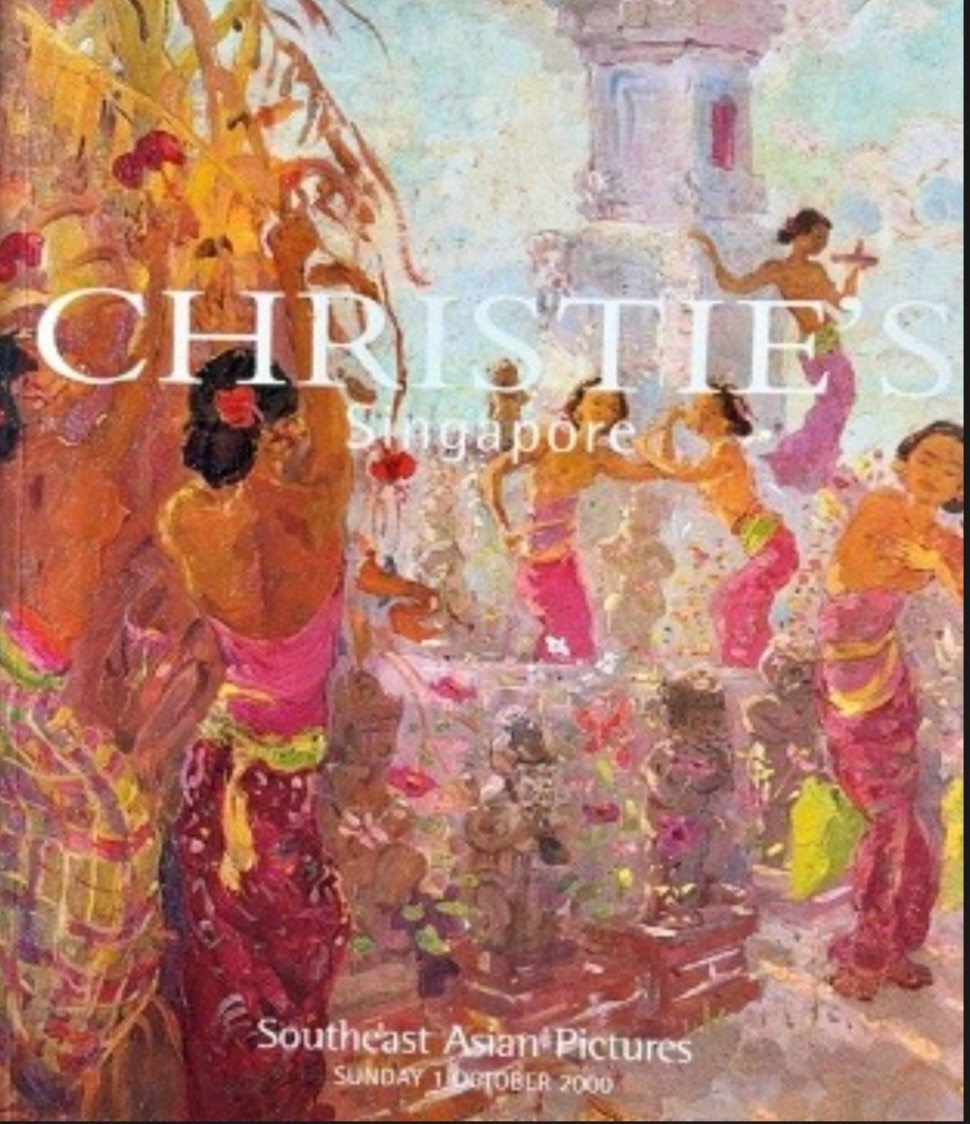
This catalog, produced by Christie’s Auction House in Singapore, features an exceptional collection of Southeast Asian paintings. The selection highlights the diverse artistic traditions of the region, showcasing works that reflect its cultural richness, historical narratives, and evolving aesthetic movements."
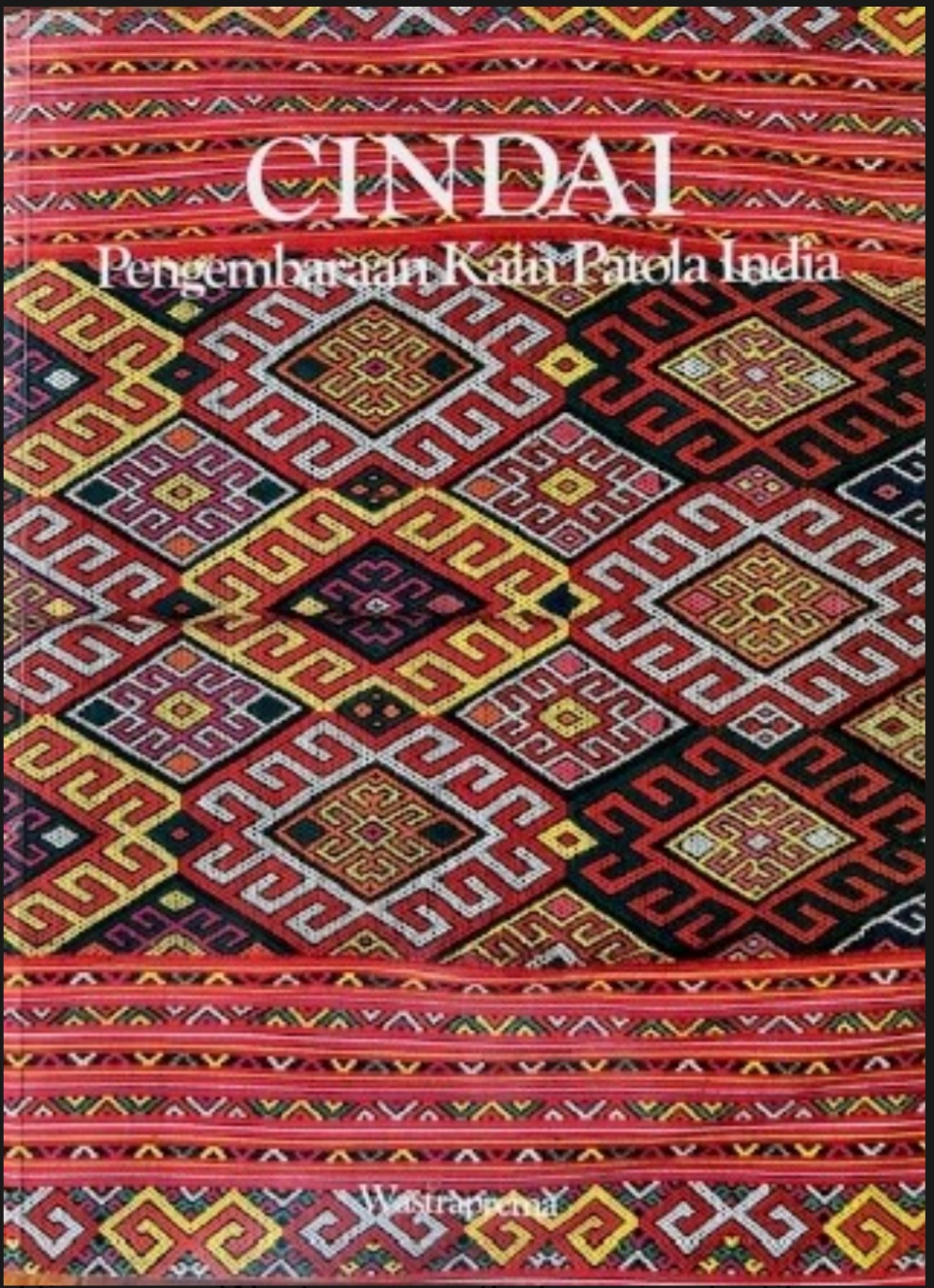
Author: Soedarmadji J H Damais, 1988, 62pg. (Indonesian & English). Softcover
Publisher: Himpunan Wastraprema, Jakarta
The publishing of Cindai, the voyage of Indian Patola Cloth along with the Cindai Exhibition is a result of a joint cooperation between the Himpunan Wastraprema (Indonesian Textile Society) and the Indian Embassy in Jakarta. The exhibition of Cindai cloths is an effort to present Indonesian textile arts, traditional weaving and batik, and to suggest that these elements influenced their production. Because of native ingenuity and creativity, the influence of the Cindai cloth gave birth to special weaving and batik patterns that were distinctly Indonesian of impressive artistic quality.
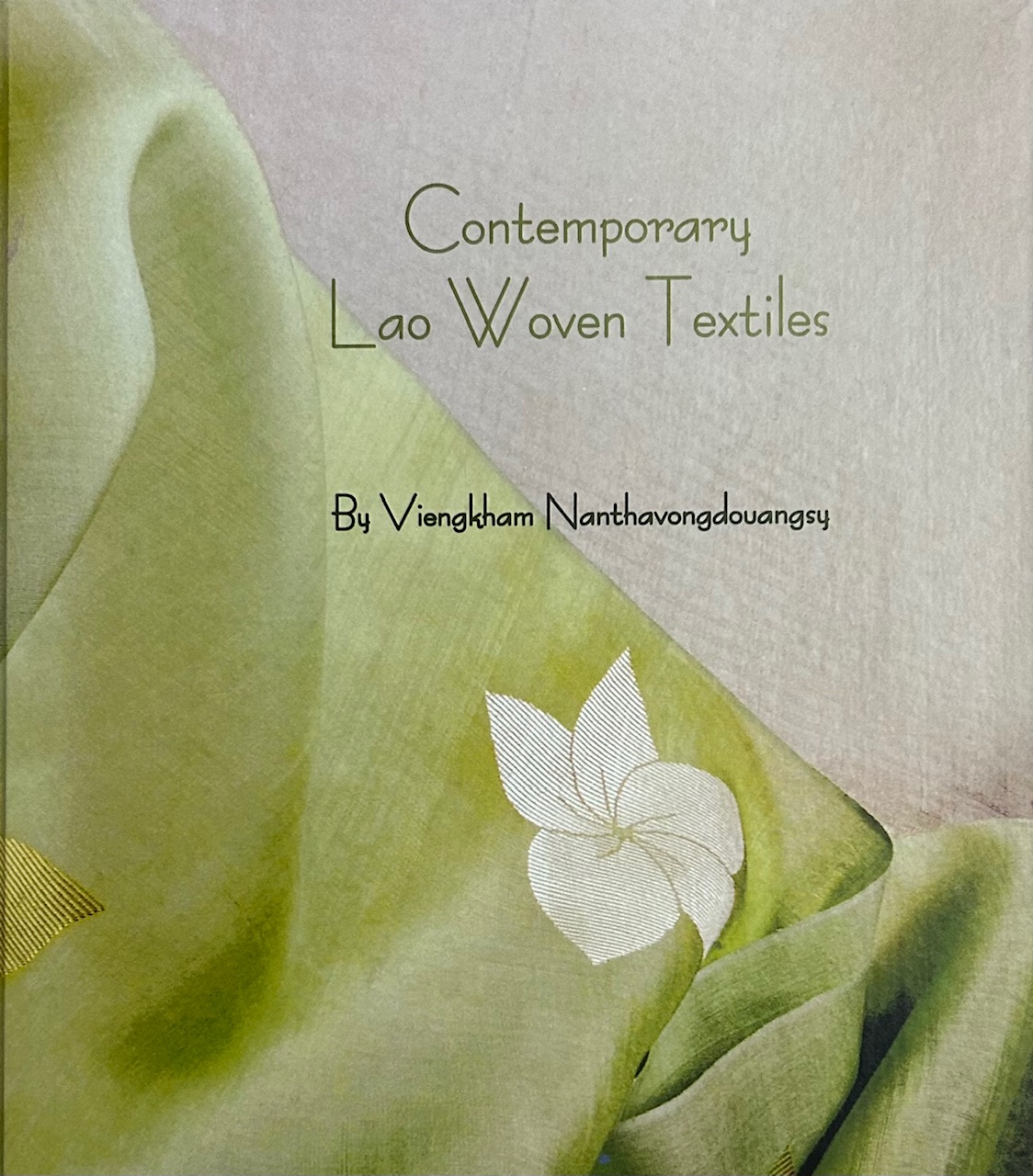
Author: Vienggkham Nanthavongdouangsy, 2016. 79pg. (English)
Publisher: Khang and Creative Seven Arts, Vientiane, Laos PDR
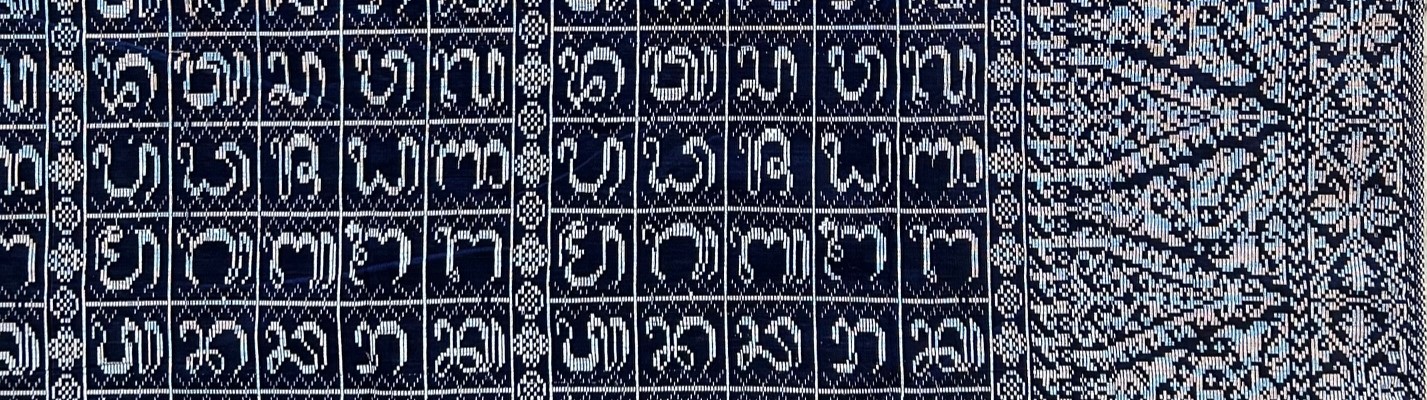
The book boasts an exceptional design that highlights the beauty of Lao textiles and high-quality materials. It is a visual feast, showcasing exquisite textiles that captivate and inspire.
Page 24 of 108