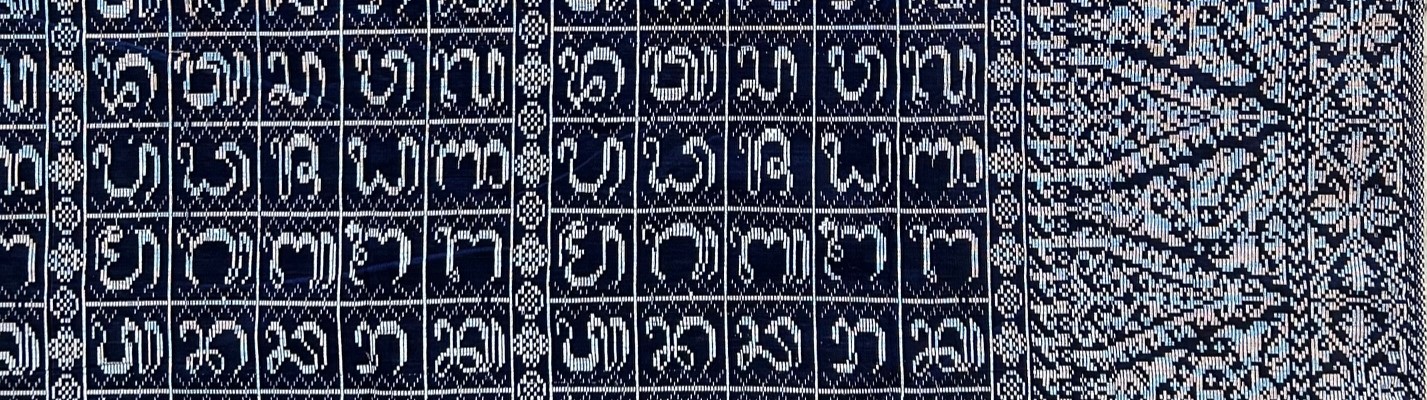
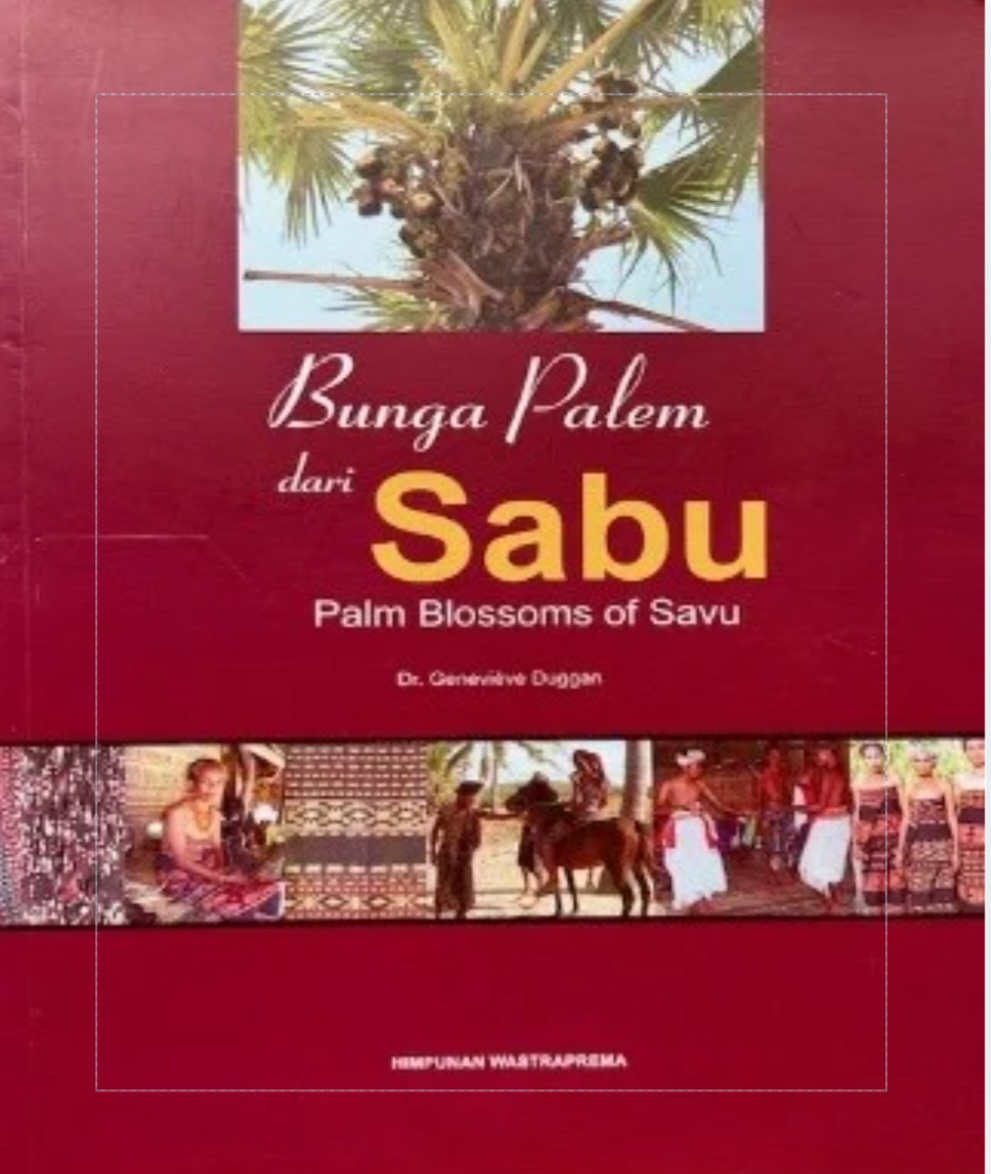
Author: Genevieve Duggan, 2010, 48pg. (Indonesian & English). Softcover
Publisher: Himpunan Wastraprema, Jakarta
Savu Society is classified as bilinial and recognizes localized patrilinial descent group or clans as well as two matrilinial descent lines or moieties (hubi) decendent from two sisters. Hiubi means literally blossom of the palmtree. The woven cloths women produced throughout time form the fabric of Savu Society. They are of the ikat style, which refers to the tie-dye technique used for obtaining a pattern. Woven cloths reflect the essential role played by women in the society, and moreover by the maternal line. It is not possible to understand the weaving traditions of Savu without knowledge of the unique social structure of the island.
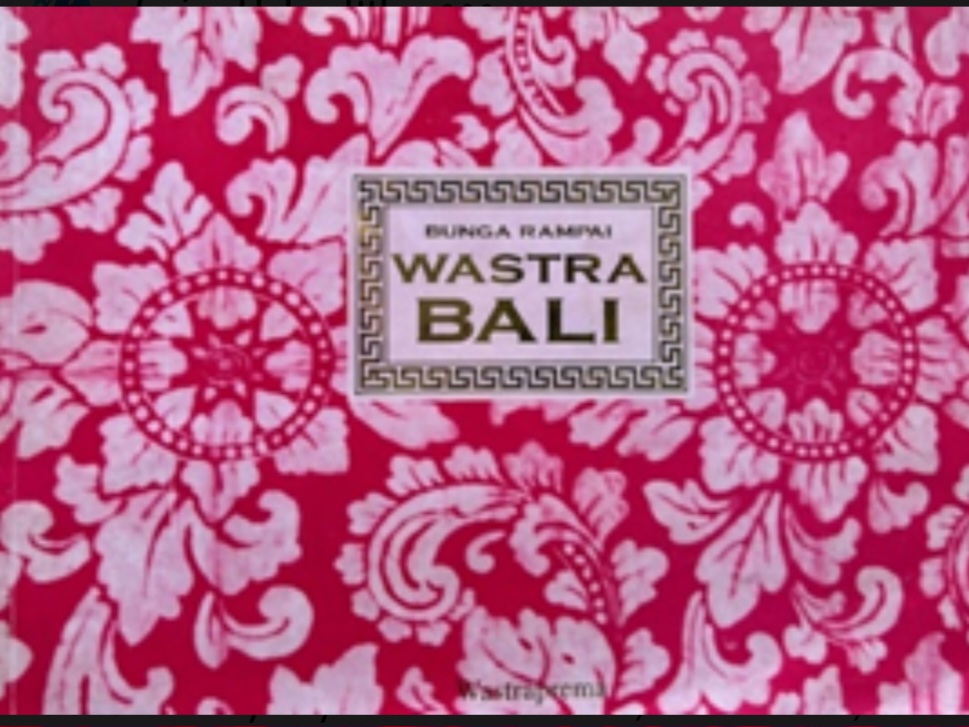
Author: Essays by I Made Bandem, A.A. Muter, and Ms. Ratmini Soedjatmoko, 1993. 80pg. (Indonesian). Softcover.
Publisher: Himpunan Wastraprema, Jakarta
The catalog was produced to accompany an exhibition organized in 1993 by the Himpunan Pecinta Kain Batik dan Tenun—the Association of Indonesian Batik and Textile Enthusiasts (Himpunan Wastraprema)—which presented a curated selection of textiles drawn from the private collections of its members.
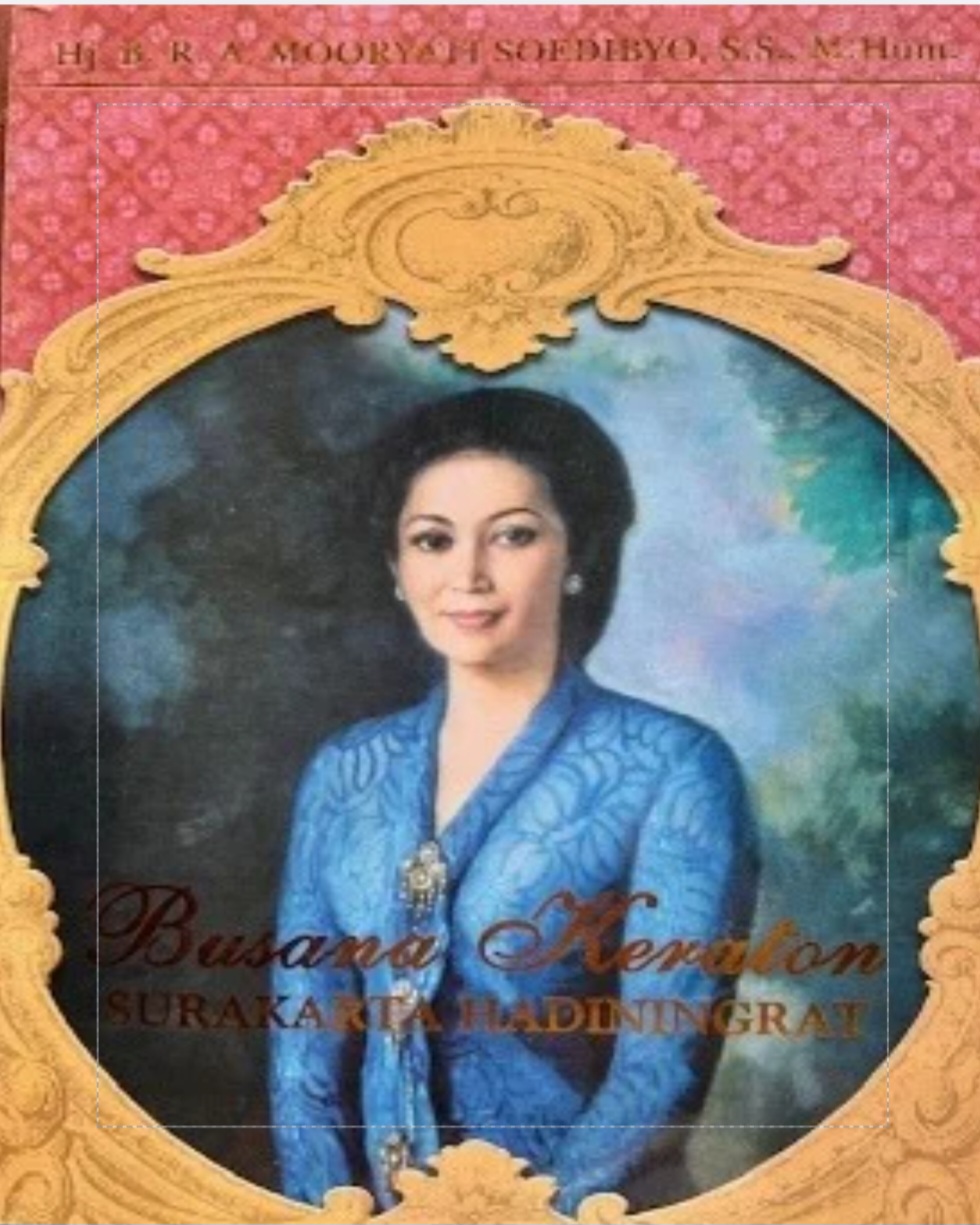
Author: B.R.A Mooryati Soedibyo, 2003, 140pg. (Indonesian). Softcover
Publisher: Gramedia Grasindo, Jakarta
This volume was authored by a princess of the Keraton Surakarta Hadiningrat, whose lineage is deeply rooted in Javanese royalty. Beyond her aristocratic heritage, she is also the proprietor of the renowned jamu enterprise, Mustika Ratu, a brand synonymous with traditional Indonesian herbal medicine. The book offers a meticulous documentation of the diverse courtly attire historically worn within the palace of Solo. Significantly, it constitutes the first publication to present court dress accompanied by color plates and archival photographs of her ancestors. In addition to its sartorial focus, the work curates an extensive collection of Javanese regalia, encompassing jewelry and elaborate coiffures for both male and female courtiers. These adornments are systematically classified according to rank, position, and hierarchical status within the keraton, thereby illuminating the intricate codes of representation and identity embedded in Javanese court culture.
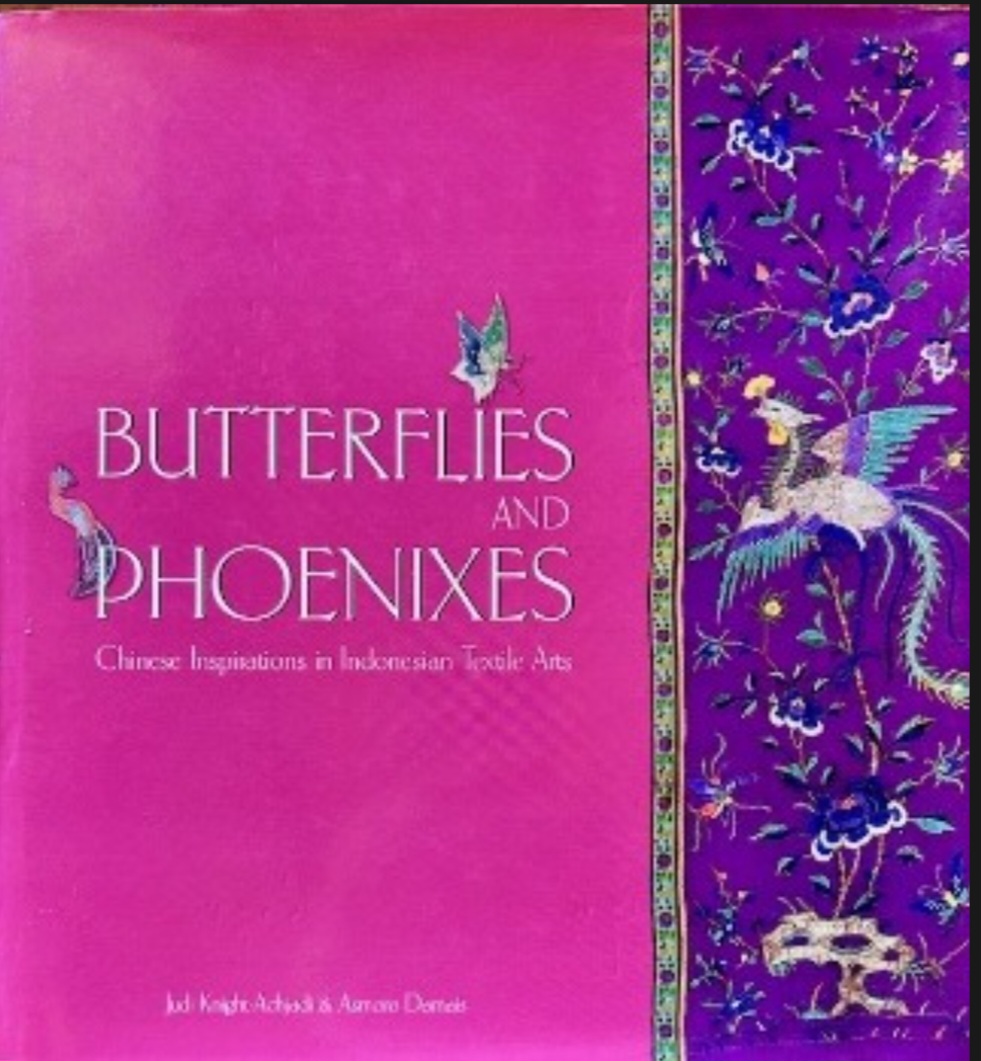
Author: Judi Knight-Achjadi & Asmoro Damais, 2005, 195pg. (English). Softcover.
Publisher: Mitra Museum Indonesia, Jakarta
This volume has undergone two separate editions: the first was issued by Mitra Museum Indonesia, while a subsequent edition—distinguished by a redesigned cover—was published in Singapore by Marshal Cavendish. The opening chapter, authored by Judi Achjadi, provides a contextual introduction to the historical and cultural significance of the Silk Road and the aesthetic phenomenon of Chinoiserie. The second section examines the profound influence of Chinese visual culture on batik, particularly as manifested through symbolic motifs and iconographic traditions. The concluding portion of the book turns to ceremonial and domestic textiles, presenting an analysis of bridal garments, altar frontals, handkerchiefs, and the distinctive forms of sarung and kain panjang, thereby situating these cloths withꓔꓔꓔin broader socio-cultural and ritual frameworks.
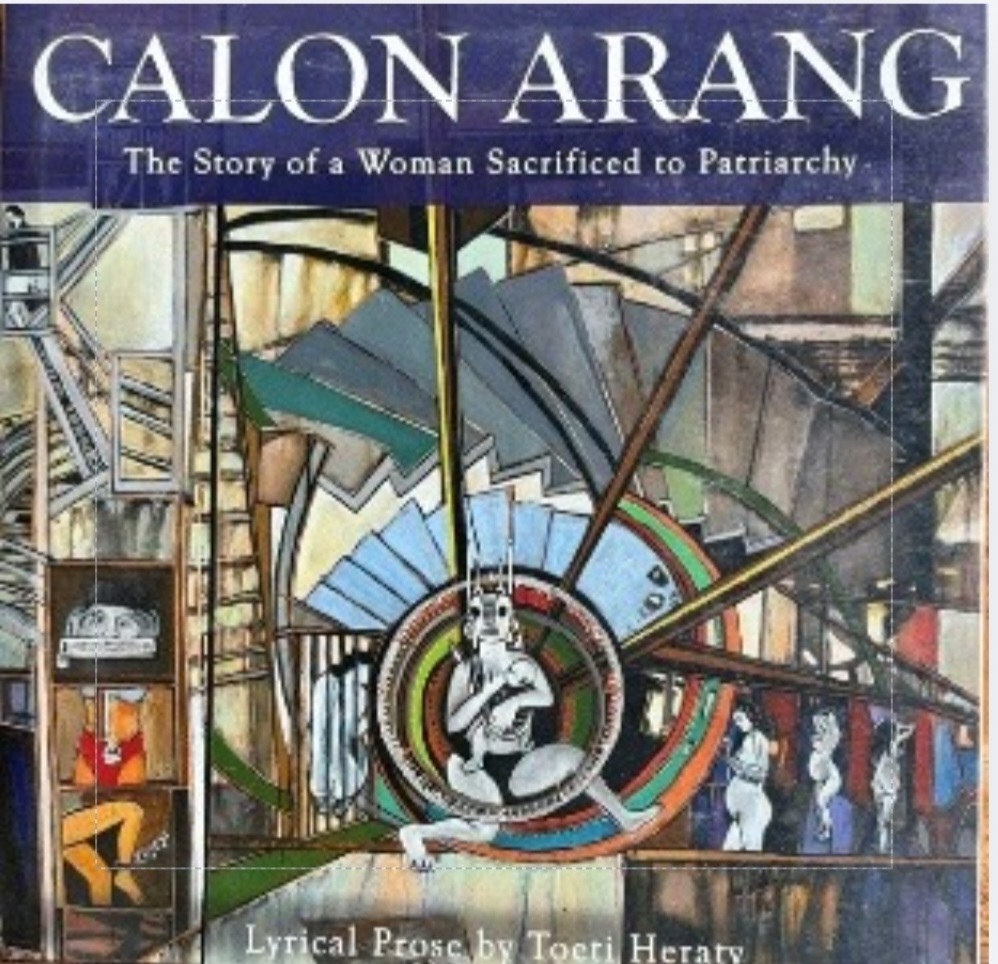
Author: Toeti Heraty, 2006. 71pgs. (English) Hardcover
Publisher: Cemara 6
The poet Toety Heraty, inspired by the legendary tale of Calon Arang, crafted a lyrical prose during a period of profound social transformation, when questions of gender disparity were increasingly brought to the forefront. In her retelling, Toety situates the ancient story within a contemporary framework, exposing the injustices historically inflicted upon women and drawing parallels to the realities of modern society. Through this lens, the role of women emerges as deeply intertwined with politics and the dynamics of male authority. Calon Arang, once portrayed as a figure of menace, can be reinterpreted as a symbol of female resistance whose power threatened established hierarchies. Her eventual demonization and scapegoating for societal disasters reflect the broader tendency to suppress women who challenge patriarchal structures. Heraty’s narrative thus reframes Calon Arang not as a villain, but as a woman whose strength and defiance illuminate the persistent struggles for recognition, agency, and justice in both past and present contexts.
Page 22 of 108